

What Are the Causes for Temple Hair Loss & Its Treatments

14
Dec
What Are the Causes for Temple Hair Loss & Its Treatments
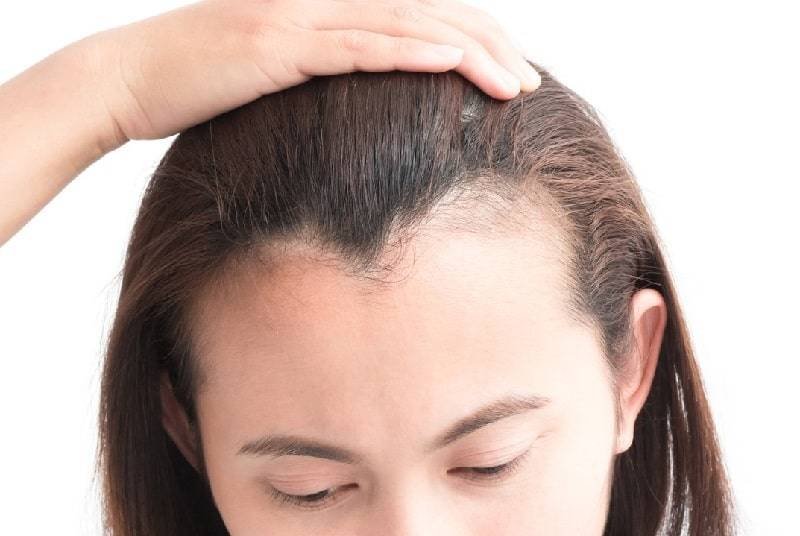
Temple hair loss, thinning or recession of hair around the sides of the forehead, is one of the earliest and most noticeable signs of hair fall in both men and women. At Midas Wellness Hub, we frequently see patients who ignore early temple thinning, assuming it is temporary or age-related, until the condition progresses.
In reality, temple hair loss is rarely just a cosmetic issue. It often reflects underlying hormonal, nutritional, lifestyle, or inflammatory imbalances. Since the temple area frames the face, even mild thinning can significantly impact appearance and confidence.
This blog by Midas Wellness Hub explains:
- What temple hair loss is?
- Why it occurs in men and women?
- The most common root causes?
- Early warning signs?
- Minoxidil-free, advanced treatment options
- How a functional, root-cause approach supports long-term regrowth?


What Is Temple Hair Loss?
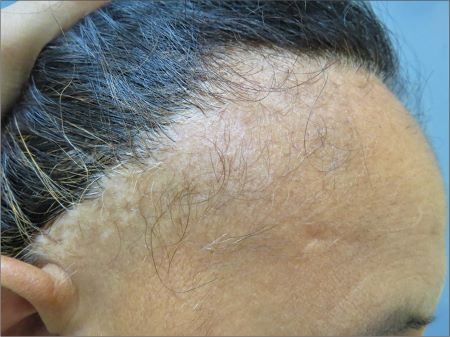
Temple hair loss refers to thinning or recession of hair at the sides of the forehead, near the temples. It may present as:
- Receding corners of the hairline
- Reduced hair density near the temples
- Thin, weak, or miniaturized hair strands
- Increased scalp visibility
In men, temple hair loss often progresses into an M-shaped hairline, while in women it usually appears as diffuse thinning without complete bald patches.
The temple region has naturally sensitive follicles, making early intervention extremely important.
Why Temple Hair Is More Prone to Hair Loss?
Hair follicles around the temples:
- Are genetically more sensitive
- Have relatively lower blood circulation
- Respond strongly to hormonal fluctuations
- Are affected early by stress and nutrient deficiencies
- Because of this sensitivity, temple thinning often appears before hair loss on the crown or back of the scalp.
- Common Causes of Temple Hair Loss
1. Androgenetic Alopecia (Genetic Hair Loss)
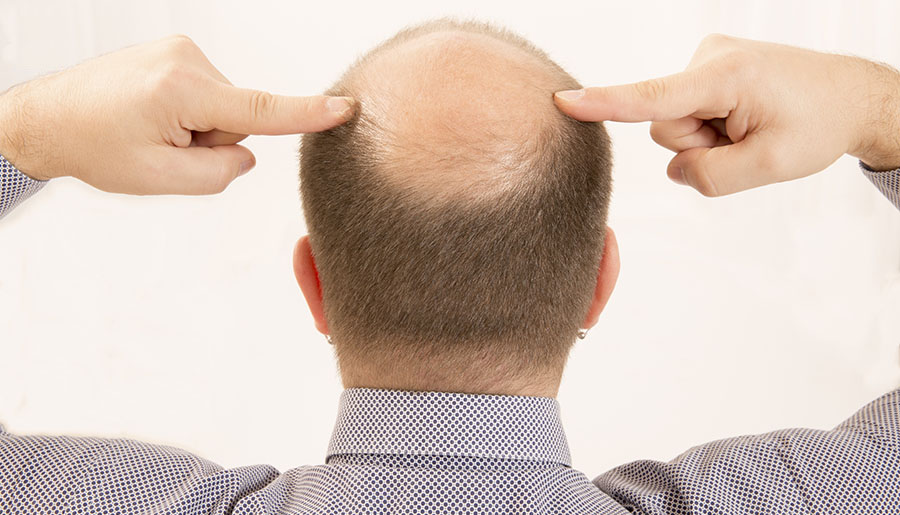
Androgenetic alopecia is one of the most common causes of temple hair loss, particularly in men.
How it affects the temples:
- Hair follicles become sensitive to DHT (dihydrotestosterone)
- DHT gradually shrinks the follicles
- Hair grows thinner, shorter, and weaker with each cycle
- Men usually notice temple recession as the earliest sign, while women experience gradual thinning without obvious bald spots.

2. Hormonal Imbalances
Hormones play a critical role in hair growth and follicle health.
Temple hair loss is frequently linked to:
- PCOS
- Thyroid disorders
- Post-pregnancy hormonal shifts
- Perimenopause and menopause
- Elevated androgens in women
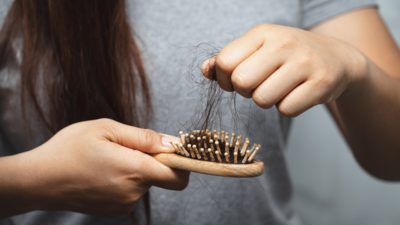
Hormonal imbalance disrupts the hair growth cycle, leading to excessive shedding and poor regrowth around the temples.
3. Nutritional Deficiencies
Hair follicles require adequate nutrients to function properly. Common deficiencies associated with temple hair loss include:
- Iron (low ferritin)
- Vitamin D
- Vitamin B12
- Zinc
- Protein
- Low ferritin and vitamin D levels are particularly associated with frontal and temporal hair thinning, especially in women.
4. Chronic Stress & High Cortisol
Long-term stress increases cortisol levels, which can:
- Push hair prematurely into the shedding (telogen) phase
- Reduce blood circulation to the scalp
- Disrupt thyroid and reproductive hormones
- Stress-related hair loss often begins around the temples because these follicles are highly stress-sensitive.


5. Traction Alopecia (Hairstyle-Related Hair Loss)
Repeated tension on hair roots can damage temple follicles.
Common causes include:
- Tight ponytails and buns
- Braids or extensions
- Frequent use of tight headbands
- Regular use of hair rollers
- This condition, known as traction alopecia, is reversible if addressed early.
6. Scalp & Inflammatory Conditions
Poor scalp health can impair hair growth at the temples.
Conditions such as:
- Dandruff and seborrheic dermatitis
- Fungal infections
- Chronic scalp inflammation
- Excess oil buildup
- Can clog follicles, weaken roots, and slow regrowth
- .


7. Aging & Reduced Growth Factors
With age:
- Hair growth rate slows
- Follicles produce thinner strands
- Growth factor levels reduce
- Blood circulation decreases
- Temple hair loss is often one of the earliest visible signs of aging hair.
Early Signs of Temple Hair Loss
Identifying temple hair loss early improves treatment outcomes. Watch for:
- Visible scalp near the temples
- Baby hairs that stop growing
- Thinning at the corners of the hairline
- Increased shedding from the temple area
- Early consultation helps prevent permanent follicle damage.
How Temple Hair Loss Is Diagnosed at Midas Wellness Hub
Temple hair loss is rarely caused by a single factor. At Midas Wellness Hub, diagnosis includes:
Detailed scalp and hair analysis
Hormonal evaluation
Thyroid profile
Iron, ferritin, vitamin D, and B12 levels
Lifestyle, diet, and stress assessment
This allows us to create personalized, root-cause-based treatment plans.
Treatment Options for Temple Hair Loss at Midas Wellness Hub
(Minoxidil-Free Approach)
At Midas Wellness Hub, we focus on sustainable hair restoration rather than dependency-based topical solutions. Our protocols are designed to revive follicles, correct internal imbalances, and improve scalp health, without topical minoxidil.
1. Medical & Internal Support (When Required)
Based on individual diagnosis, treatment may include:
- Hormone-balancing support for PCOS, thyroid disorders, and menopause-related hair loss
- Nutritional correction for deficiencies such as iron, vitamin D, B12, zinc, and protein
- Anti-inflammatory support to reduce follicle stress
- All interventions are customized and medically supervised.
2. Advanced Hair Restoration Treatments at Midas Wellness Hub
PRP (Platelet-Rich Plasma) Therapy
PRP therapy uses your own concentrated growth factors to strengthen weak follicles.
Benefits:
- Improves blood circulation at the temples
- Revives miniaturized follicles
- Enhances hair thickness and density
- Encourages dormant follicles to re-enter the growth phase
- PRP is highly effective in early to moderate temple hair loss.
- GFC (Growth Factor Concentrate) Therapy
- GFC is an advanced regenerative treatment with higher growth factor concentration.
Key advantages:
- Reduced scalp inflammation
- Faster follicle recovery
- Improved hair strength and density
- Excellent results in sensitive areas like the temples
- Low-Level Laser Therapy (LLLT)
- LLLT is used as a supportive therapy to enhance results.
How it helps:
- Improves oxygen and nutrient delivery
- Enhances scalp circulation
- Supports follicle activation and hair strength
3. Functional & Root-Cause Hair Restoration Approach
Our holistic approach focuses on internal health for lasting results.
This includes:
- Correcting nutritional deficiencies at a cellular level
- Balancing hormones naturally
- Supporting gut health and nutrient absorption
- Reducing chronic inflammation
- Stress management and sleep optimization
- This ensures long-term, sustainable hair regrowth.
- Diet & Lifestyle Support for Temple Hair Regrowth
A hair-supportive plan includes:
- Adequate protein intake
- Iron-rich foods
- Omega-3 fatty acids
- Antioxidant-rich vegetables
- Proper hydration
- Lifestyle changes:
- Avoid tight hairstyles
- Regular scalp massage
- Minimize heat styling
- Manage stress
- Ensure quality sleep
Can Temple Hair Loss Be Reversed Without Minoxidil?
Yes, when treated early.
Temple hair loss can be reversed if:
- Follicles are still viable
- Root causes are identified
- Advanced regenerative treatments are used
- Nutrition and lifestyle are optimized
- Many patients achieve visible improvement without topical minoxidil through a personalized, holistic approach.
Final Words from Midas Wellness Hub
Temple hair loss is not something to ignore it is often an early signal of internal imbalance. With timely diagnosis, advanced regenerative therapies, and a functional medicine approach, hair restoration is possible.
At Midas Wellness Hub, we specialize in minoxidil-free, personalized hair restoration programs designed for long-term results not temporary fixes.
If you are noticing thinning around your temples, early action can make all the difference.