
Hara Hachi Bu: The Japanese Philosophy of Eating That Can Transform Your Health


21
Nov
Hara Hachi Bu: The Japanese Philosophy of Eating That Can Transform Your Health
In a world where dieting trends change every few months, where “quick fixes” promise unrealistic results, and where most people eat on autopilot, the ancient Japanese wisdom of Hara Hachi Bu stands out for its simplicity, effectiveness, and philosophy-driven approach to health. At Midas Wellness Hub, we believe that real wellness is not created through shortcuts or restrictions, but through mindful living, sustainable habits, and alignment between the body and mind.
Hara Hachi Bu, a practice followed for centuries in Okinawa, home to some of the world’s longest-living people, offers a timeless approach to eating and overall wellbeing. Translating to “eat until you are 80% full,” this philosophy encourages a gentle awareness of hunger, fullness, and emotional balance. It is not about dieting. It is not about deprivation. It is about respecting the body’s natural signals and giving it the nourishment it needs, not more, not less.
In this long-form guide, we dive deep into the roots of Hara Hachi Bu, its science-backed benefits, its connection to longevity, and how you can integrate it seamlessly into your lifestyle with Midas Wellness Hub’s holistic health frameworks.
The Origins of Hara Hachi Bu: Ancient Wisdom for Modern Life
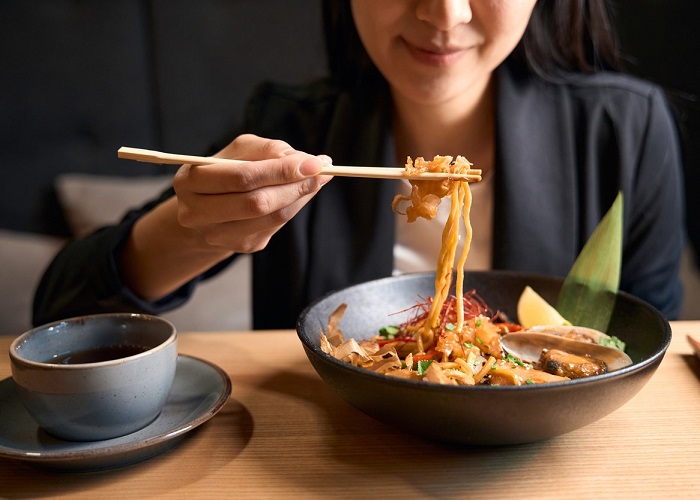
Okinawa, a cluster of islands in Japan, is known for its population of “centenarians”, individuals who live beyond 100 years of age with exceptional levels of health. Researchers worldwide have studied the Okinawan lifestyle for decades, trying to understand how a small community managed to maintain low rates of obesity, diabetes, cardiovascular disease, and age-related deterioration.
One of the answers consistently highlighted is Hara Hachi Bu, a philosophy taught from childhood. Okinawans are taught to pause before each meal, express gratitude, and consume only until they are 80% full. This practice ensures they never burden the digestive system, never slip into habitual overeating, and maintain a stable metabolism.
Unlike many modern eating patterns, which are driven by stress, boredom, social pressure, emotional triggers, or the need for quick gratification, Hara Hachi Bu invites us to slow down and listen.
Today, as lifestyle disorders rise globally, this ancient wisdom is more relevant than ever.
Why 80% Full? The Science Behind the Philosophy
At first glance, “80% full” may sound like a vague concept. But science shows us that our body already has an internal mechanism designed to communicate fullness, it simply takes time.
When you eat, your brain receives fullness signals approximately 20 minutes after you begin your meal. Most people eat fast enough to cross 100% fullness before the brain even gets the message. This leads to post-meal heaviness, bloating, sluggishness, and long-term metabolic stress.
Hara Hachi Bu works because it aligns our behavior with the body’s natural timing. Eating slowly and stopping when “comfortably satisfied” prevents:
- Overeating
- High insulin spikes
- Digestive overload
- Fatigue after meals
- Chronic inflammation
- Weight gain over time
Studies also show that moderate calorie intake without nutritional sacrifice triggers cell repair processes, reduces oxidative stress, and extends life expectancy. That’s why many long-living communities around the world naturally consume fewer calories without ever restricting themselves.
Hara Hachi Bu and Longevity: A Lifestyle That Supports a Longer, Healthier Life
The Okinawan population is often described as having ageless metabolism. They remain active, sharp, and mobile even at 90 or 100 years of age. And while their environment, social structure, and genetics do play a role, their eating habits are a crucial part of the equation.
Hara Hachi Bu contributes to longevity through:
1. Reduced Metabolic Stress
When you avoid overeating, the body doesn’t have to work overtime to digest food. Less metabolic strain means less wear-and-tear on internal systems.
2. Lower Risk of Chronic Diseases
Obesity, diabetes, hypertension, and heart disease are highly correlated with overeating. By consuming moderately, the Okinawans naturally avoid these conditions.
3. Balanced Hormones
Leptin (the satiety hormone) and insulin remain stable, reducing cravings and preventing energy crashes.
4. Improved Gut Health
A lighter digestive load means fewer issues like bloating, constipation, acidity, and gut dysbiosis.
5. Steady Energy Levels
Most people know the feeling of heavy meals slowing them down. Eating till 80% full keeps energy stable, clear, and calm throughout the day.
These benefits collectively create a foundation for long-term vitality, something strongly aligned with the values at Midas Wellness Hub, where the goal is sustainable transformation, not temporary results.
How Modern Life Disrupts Satiety Signals
In today’s fast-paced culture, eating mindfully is becoming increasingly rare. Many factors push people toward overeating:
- Eating while scrolling screens
- Eating in a rush
- Emotional eating
- Food engineered for high palatability
- Large portion sizes
- Stress-induced cravings
- Social eating habits
The more disconnected we become from our body, the easier it is to ignore natural hunger and fullness cues.
The Midas Wellness Hub Approach: Integrating Hara Hachi Bu into Daily Living

At Midas Wellness Hub, we approach wellbeing from a holistic lens: body, mind, hormones, gut, and lifestyle. Hara Hachi Bu beautifully complements our philosophy. Here’s how we integrate it:
1. Slow Eating Rituals
We guide clients to take at least 20–25 minutes per meal, allowing the brain to register fullness.
2. Mindfulness Tools
Breathing exercises before meals help shift the body from stress mode (fight-or-flight) to digestion mode (rest-and-digest).
3. Balanced, nutrient-dense meals
We believe in making 80% fullness nourishing, not empty calories. This includes balanced plates with protein, fiber, healthy fats, and micronutrients.
4. Gut-first approach
A healthy digestive system makes fullness cues clearer. We assess gut health, inflammation markers, and dietary patterns to personalize recommendations.
5. Emotional Relationship with Food
Through coaching and habit reshaping, we help individuals break patterns of emotional or binge eating.
6. Portion Intelligence
We teach clients to tune in to natural hunger cycles, understand their portion needs, and distinguish true hunger from emotional hunger.
The goal is not to eat less, the goal is to eat right and in alignment with the body.
How to Practice Hara Hachi Bu: A Practical, Beginner-Friendly Guide
Even though it’s a simple concept, adopting it consistently requires awareness. Here are steps anyone can start implementing today:
1. Begin with a pre-meal pause
Take a deep breath. Notice your hunger. Check your emotional state. This 10-second pause shifts your eating from automatic to conscious.
2. Use smaller plates
Studies show that smaller plates naturally promote portion control without creating a feeling of restriction.
3. Eat slowly
Chew thoroughly. Put your fork down between bites. Savor textures and flavors.
4. Drink water before meals
Hydration prevents mistaken hunger signals.
5. Stop at “comfortable,” not “full”
If you feel like you could eat more but don’t need to, that’s 80%.
6. Let 10 minutes pass before taking second servings
You will often realize you don’t need more.
7. Avoid distractions
Screens, intense conversations, or multitasking lead to mindless eating.
8. End meals with gratitude
This aligns you with a state of contentment rather than craving.
Hara Hachi Bu and Weight Management: A Natural, Non-Restrictive Method
Many people struggle with weight because they oscillate between overeating and over-restriction, creating metabolic confusion and stress. Hara Hachi Bu offers balance:
- You do not deprive the body.
- You do not deny cravings.
- You do not starve.
- You simply stop before you cross the line.
Over weeks and months, this naturally reduces calorie surplus and helps regulate appetite hormones. The best part? It’s sustainable for life.
At Midas Wellness Hub, we see individuals lose weight, reduce bloating, and improve digestion simply by shifting from “eating till full” to “eating till satisfied.”
The Mind-Body Connection: Emotional Balance Through Hara Hachi Bu

Food is deeply emotional. Many people eat to soothe stress, loneliness, boredom, or overwhelm. But eating beyond hunger can create guilt, heaviness, and discomfort, which then fuels more emotional eating.
Hara Hachi Bu breaks this cycle by encouraging:
- Awareness
- Slowing down
- Gratitude
- Self-control
- Presence
At Midas Wellness Hub, we pair this with tools like journaling, mindful breathing, herbal support, sleep hygiene, and metabolic balancing to ensure that clients build a healthier relationship with food holistically.
A Philosophy You Can Live for Life
Most diets fail because they fight against human nature. Hara Hachi Bu works because it aligns with human nature. It is gentle, intuitive, and compatible with any cuisine or lifestyle.
Whether your goals are:
- Better digestion
- Weight loss
- Hormonal balance
- Longevity
- Reduced inflammation
- Emotional wellness
- Gut repair
…this practice can support them all.
The philosophy teaches us:
- Eat with awareness.
- Eat with respect.
- Eat with gratitude.
- Eat for nourishment.
Not to fill emotional voids or chase temporary satisfaction.
Midas Wellness Hub: Helping You Build a New Relationship with Food and Health
At Midas Wellness Hub, we believe that every individual deserves a life where the body feels light, the mind feels clear, and energy flows without resistance. We integrate global wellness philosophies, from Japanese Hara Hachi Bu to Indian Ayurvedic principles and modern functional medicine, into practical, personalized programs.
Our mission is simple:
To empower you with sustainable habits that transform your health from within.
Hara Hachi Bu is one such timeless habit, simple to learn, transformative to practice, and powerful enough to change how you feel every single day.