

Grey Hair in Your 20s & 30s: The Role of Nutrition & Functional Medicine

27
Dec
Grey Hair in Your 20s & 30s: The Role of Nutrition & Functional Medicine
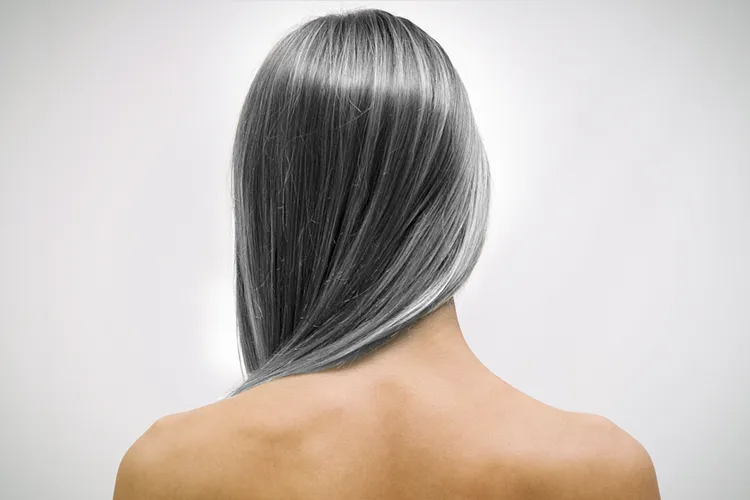
For decades, grey hair was seen as a sign of wisdom, maturity, and age. Today, however, it has become a growing concern among people in their 20s and 30s. Premature greying is no longer rare it’s becoming increasingly common, especially among young adults living fast-paced, high-stress urban lives.
At Midas Wellness Hub, we see this concern daily. People often ask:
“Why am I getting grey hair so early?”
“Is it genetic, or am I doing something wrong?”
“Can grey hair be reversed?”
The truth is grey hair is not just a cosmetic issue. It is often a signal from the body that something deeper needs attention. This blog explores the real causes of premature greying, the critical role of nutrition, and how functional medicine offers a root-cause approach rather than surface-level solutions.
Understanding Hair Greying: What Actually Happens?
Hair gets its color from a pigment called melanin, produced by specialized cells known as melanocytes located in hair follicles. These cells are responsible for giving hair its natural black, brown, or blonde shade.
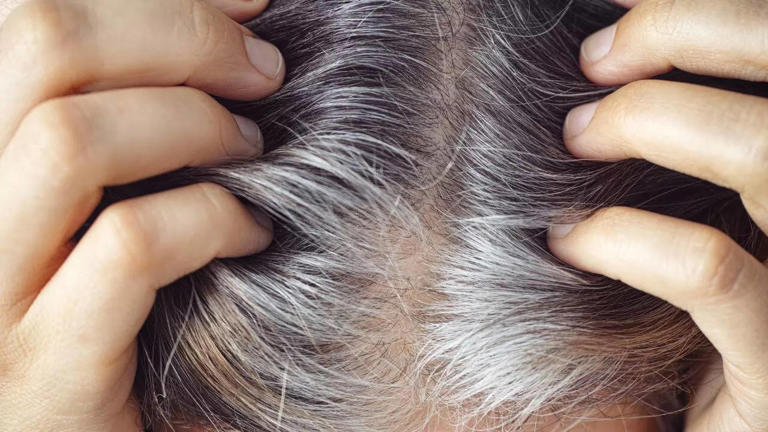
Grey or white hair occurs when:
- Melanocytes slow down or stop producing melanin
- Pigment production becomes irregular
- Oxidative stress damages pigment-producing cells
- Once melanin production drops, hair grows without color, appearing grey or white.
What’s important to understand is that this process does not suddenly begin in your 40s or 50s. In many individuals, the damage starts years earlier, silently progressing until it becomes visible.

Why Are People Going Grey in Their 20s & 30s?
Premature greying is rarely caused by a single factor. It is usually the result of multiple internal imbalances acting together.
1. Genetic Predisposition
Yes, genetics do play a role. If your parents or grandparents experienced early greying, your risk is higher. However, genetics alone do not determine when greying starts lifestyle and nutrition influence how strongly genes express themselves.
2. Nutritional Deficiencies
This is one of the most underestimated causes of early greying. Hair follicles are highly active structures and require constant nutritional support.
Deficiencies commonly linked to premature greying include:
- Vitamin B12
- Iron
- Copper
- Zinc
- Folate
- Vitamin D
- Protein
Without adequate nutrients, melanocytes cannot function optimally.

3. Chronic Stress & Cortisol Overload
Modern lifestyles expose individuals to constant mental and emotional stress. Chronic stress increases cortisol levels, which directly affects:
Melanin production
Hair growth cycles
Scalp circulation
Stress also accelerates oxidative damage, one of the main triggers of premature greying.
4. Oxidative Stress & Free Radicals
Free radicals damage cells at a molecular level. When antioxidant defenses are weak, melanocytes are among the first cells to suffer damage. Pollution, smoking, lack of sleep, poor diet, and UV exposure all increase oxidative stress.
5. Gut Health & Poor Absorption
Even when a person eats well, poor gut health can prevent proper absorption of nutrients. Conditions like acidity, bloating, IBS, or frequent antibiotic use affect nutrient uptake impacting hair health directly.
6. Hormonal Imbalances
Thyroid disorders, insulin resistance, PCOS, and adrenal fatigue can disturb hair pigmentation. Hormones act as messengers, and any imbalance reflects quickly in hair and skin.
The Role of Nutrition in Preventing Grey Hair
Nutrition is not about “eating healthy occasionally.” It’s about consistent cellular nourishment.
Key Nutrients That Support Hair Pigmentation
Vitamin B12
Essential for red blood cell formation and oxygen supply to hair follicles. Deficiency is strongly associated with early greying.
Copper
Copper plays a direct role in melanin synthesis. Low copper levels can reduce pigment production even if other nutrients are adequate.
Iron
Iron deficiency reduces oxygen supply to follicles, affecting melanin-producing cells.
Zinc
Supports hair follicle repair, immune balance, and enzyme activity needed for pigmentation.
Protein
Hair is primarily made of keratin, a protein. Inadequate protein intake weakens hair structure and pigment stability.
Antioxidants (Vitamin C, E, Selenium)
Protect melanocytes from oxidative damage and slow the greying process.
Why Diet Alone Is Often Not Enough After 25–30
One of the most common misconceptions is that improving diet alone can reverse grey hair. While diet is essential, modern bodies often need more targeted support.
Reasons include:
- Poor gut absorption
- Chronic inflammation
- Long-standing deficiencies
- Stress-related nutrient depletion
- Lifestyle-induced hormonal imbalances
This is where functional medicine becomes crucial.

What Is Functional Medicine?
Functional medicine focuses on identifying and correcting the root cause of health issues rather than masking symptoms.
Instead of asking: “Which shampoo will cover grey hair?”
Functional medicine asks:
- Why did pigment production slow down?
- Which nutrients are deficient at a cellular level?
- How is stress affecting the body internally?
- Is the gut absorbing nutrients properly?
At Midas Wellness Hub, functional medicine forms the foundation of hair and skin restoration programs.
Functional Medicine Approach to Grey Hair

1. Advanced Blood Testing
We assess:
- Vitamin and mineral levels
- Thyroid profile
- Iron studies
- Inflammatory markers
- Hormonal balance
This allows us to create a personalized plan, not a generic supplement list.
2. Targeted Supplementation
Instead of random multivitamins, functional medicine uses clinically dosed supplements based on deficiencies. These support melanin production at a cellular level.
3. Gut Healing Protocols
Improving digestion and absorption ensures nutrients actually reach hair follicles.
4. Stress & Adrenal Support
Adaptogens, lifestyle correction, and nutritional strategies help regulate cortisol levels.
5. Antioxidant & Anti-Inflammatory Support
This protects melanocytes from further damage and slows progression.
Can Grey Hair Be Reversed?
This is the most asked question and the answer is context-dependent.
Early-stage greying caused by nutritional deficiencies, stress, or inflammation may be partially reversible.
Long-standing greying can often be slowed and stabilized.
Functional medicine aims to prevent progression and support overall hair health.
The goal is not false promises but realistic, science-backed improvement.

What Doesn’t Work (And Why)
Hair dyes and coloring shampoos only mask the issue
Oil applications alone cannot restore pigment
Random supplements without testing may worsen imbalances
Quick-fix treatments ignore internal causes
Grey hair is an internal concern external solutions alone are never sufficient.
A Holistic Hair Health Strategy at Midas Wellness Hub
At Midas Wellness Hub, hair concerns are approached holistically:
- Medical evaluation
- Nutritional correction
- Functional medicine support
- Lifestyle optimization
- Advanced wellness therapies when needed
Hair is treated as a reflection of internal health, not an isolated cosmetic issue.
Final Thoughts
Grey hair in your 20s or 30s is not something to ignore but it is also not something to panic about. It is your body’s way of communicating an internal imbalance.
When addressed early, with the right combination of nutrition, functional medicine, and lifestyle correction, progression can be slowed, hair quality can improve, and overall health benefits follow.
At Midas Wellness Hub, we believe in listening to the body, understanding its signals, and restoring balance inside out.