

5 Signs Your Lip Pigmentation Needs Medical Treatment

21
Feb
5 Signs Your Lip Pigmentation Needs Medical Treatment
Lips are one of the most delicate parts of your face. When they start getting darker, uneven, or patchy, it is easy to ignore it as something “normal.” Many people assume lip pigmentation is just due to lipstick, sun exposure, or dehydration. While that can be true in some cases, sometimes your lips are trying to tell you something deeper.
At Midas Wellness Hub, we often meet clients who tried home remedies for months before realizing their lip pigmentation needed professional care. If you are confused about whether your lip darkening is temporary or something that needs medical attention, this guide will help you understand.
Here are 5 important signs that your lip pigmentation needs medical treatment.
1. The Darkness Is Getting Worse Over Time
If your lips are gradually becoming darker instead of improving, that is a red flag.
Mild pigmentation caused by dryness or sun exposure usually improves with hydration, SPF lip balm, and proper care. However, if the color keeps deepening over weeks or months, it may be linked to:
- Hormonal imbalance
- Smoking-related pigmentation
- Allergic reactions to products
- Underlying nutritional deficiencies
When pigmentation progresses rather than stabilizes, it is better to consult professionals who can identify the root cause instead of just treating the surface.
2. Uneven or Patchy Discoloration

Healthy lips usually have a uniform tone. If you notice:
- Dark patches in specific areas
- Borders of the lips turning brown or grey
- Uneven color between upper and lower lips
- It may indicate more than simple tanning.
Patchy pigmentation can sometimes be related to conditions like hyperpigmentation disorders or chronic irritation. A proper skin assessment can determine whether topical treatments, medical peels, or advanced procedures are required.
Ignoring uneven pigmentation can make it harder to reverse later.
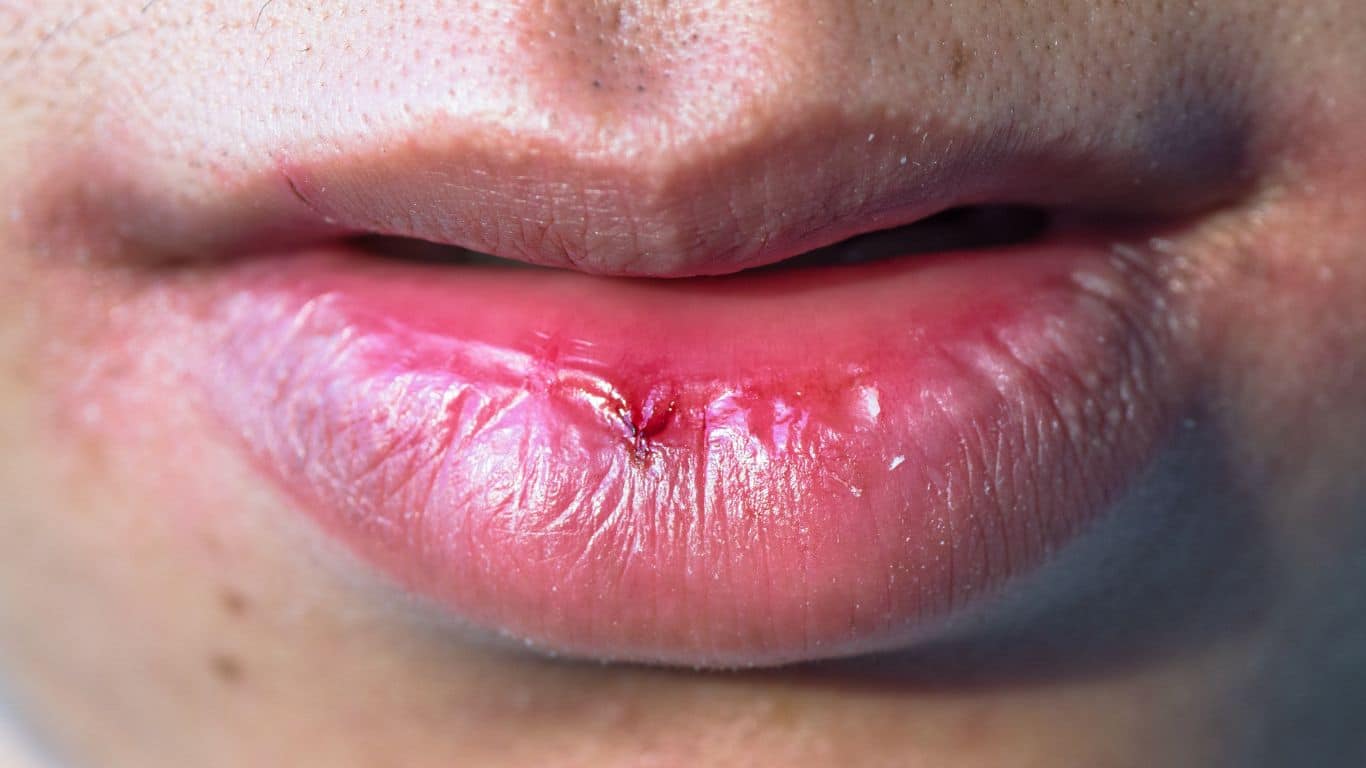
3. Pigmentation Accompanied by Dryness, Peeling, or Cracks
If your lips are not only dark but also:
- Constantly dry
- Peeling frequently
- Cracking or bleeding
- Feeling sensitive or burning
This may point toward lip dermatitis, allergic contact reactions, or chronic inflammation.
Long-term inflammation stimulates excess melanin production, which makes lips darker over time. In such cases, using random lip balms or scrubs can actually worsen the problem.
Medical treatment focuses on calming the inflammation first and then gradually reducing pigmentation safely.
4. No Improvement Despite Home Remedies
Many people try:
- Lemon and honey
- Beetroot balm
- DIY scrubs
- Vitamin E capsules
- Over-the-counter creams
While these may help mild pigmentation, they rarely fix deeper causes.
If you have tried home remedies consistently for 2–3 months with no visible improvement, it is time to stop experimenting. Continuous self-treatment can irritate the lips further and make pigmentation more stubborn.
Professional evaluation helps identify whether you need:
- Medical-grade topical treatments
- Lip brightening therapies
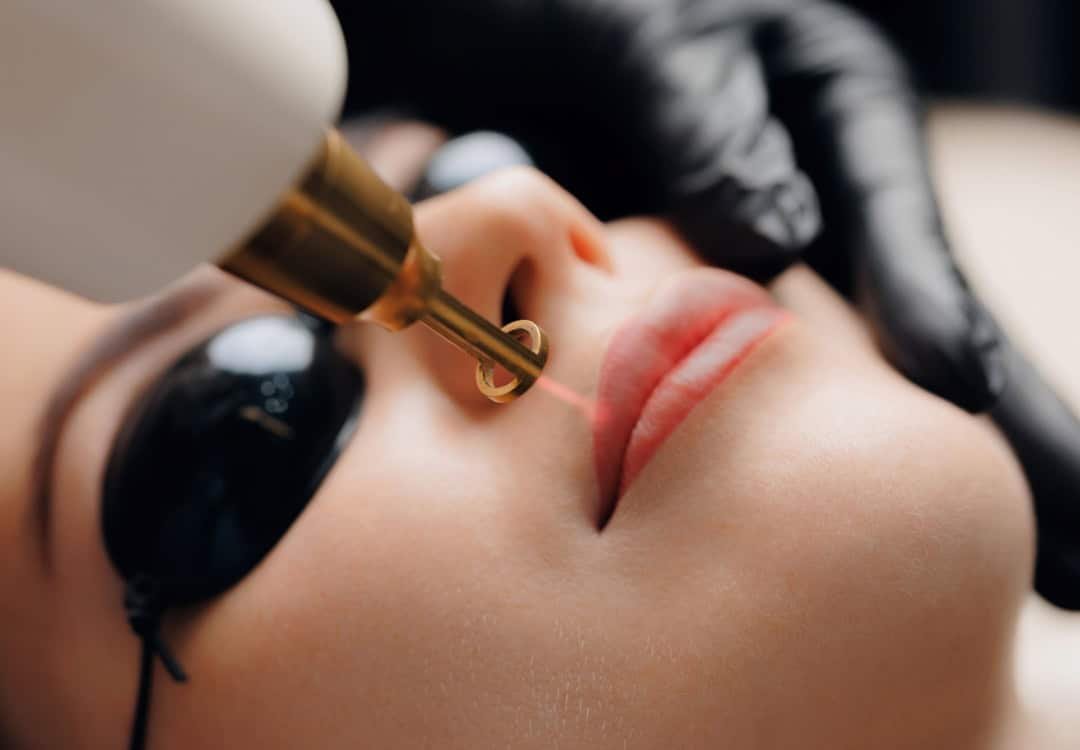
- Laser-based correction
- Nutritional support
Treating blindly wastes time and can delay real recovery.
5. Pigmentation Linked to Health Conditions
Sometimes lip pigmentation is not just cosmetic.
It can be associated with:
- Vitamin B12 deficiency
- Iron deficiency
- Hormonal disorders
- Certain medications
- Smoking-related melanosis
If you notice other symptoms like fatigue, hair fall, skin dullness, or hormonal irregularities along with dark lips, it is important to seek medical advice.
In such cases, treating the underlying issue often improves lip pigmentation naturally.
Why Early Treatment Matters

The earlier lip pigmentation is treated, the easier it is to reverse. Long-standing pigmentation becomes more resistant because melanin deposits settle deeper in the tissue.
At Midas Wellness Hub, the focus is not just on lightening lips temporarily but understanding:
- Why the pigmentation started
- What is maintaining it
- How to safely restore natural lip tone
Every lip type is different. A customized approach ensures safe and visible results without damaging the delicate lip skin.
When Should You Book a Consultation?
Consider professional help if:
- Your lips have been dark for more than 3–4 months
- Pigmentation is spreading
- You feel self-conscious even without lipstick
- Home remedies have failed
- You suspect a medical cause
Your lips deserve the same attention as your skin. Treating lip pigmentation early can boost confidence and prevent long-term discoloration.
Final Thoughts
Lip pigmentation is common, but persistent or worsening discoloration should not be ignored. Your body often gives subtle signs before bigger concerns appear.
If you recognize any of these five signs, it may be time to move from home remedies to professional care. A proper assessment can help you understand whether your pigmentation is surface-level or something that needs medical treatment.
Healthy, naturally toned lips are achievable with the right guidance and timely intervention.