

Strawberry Skin on Legs: Why It Happens and How to Treat It

20
Feb
Strawberry Skin on Legs: Why It Happens and How to Treat It
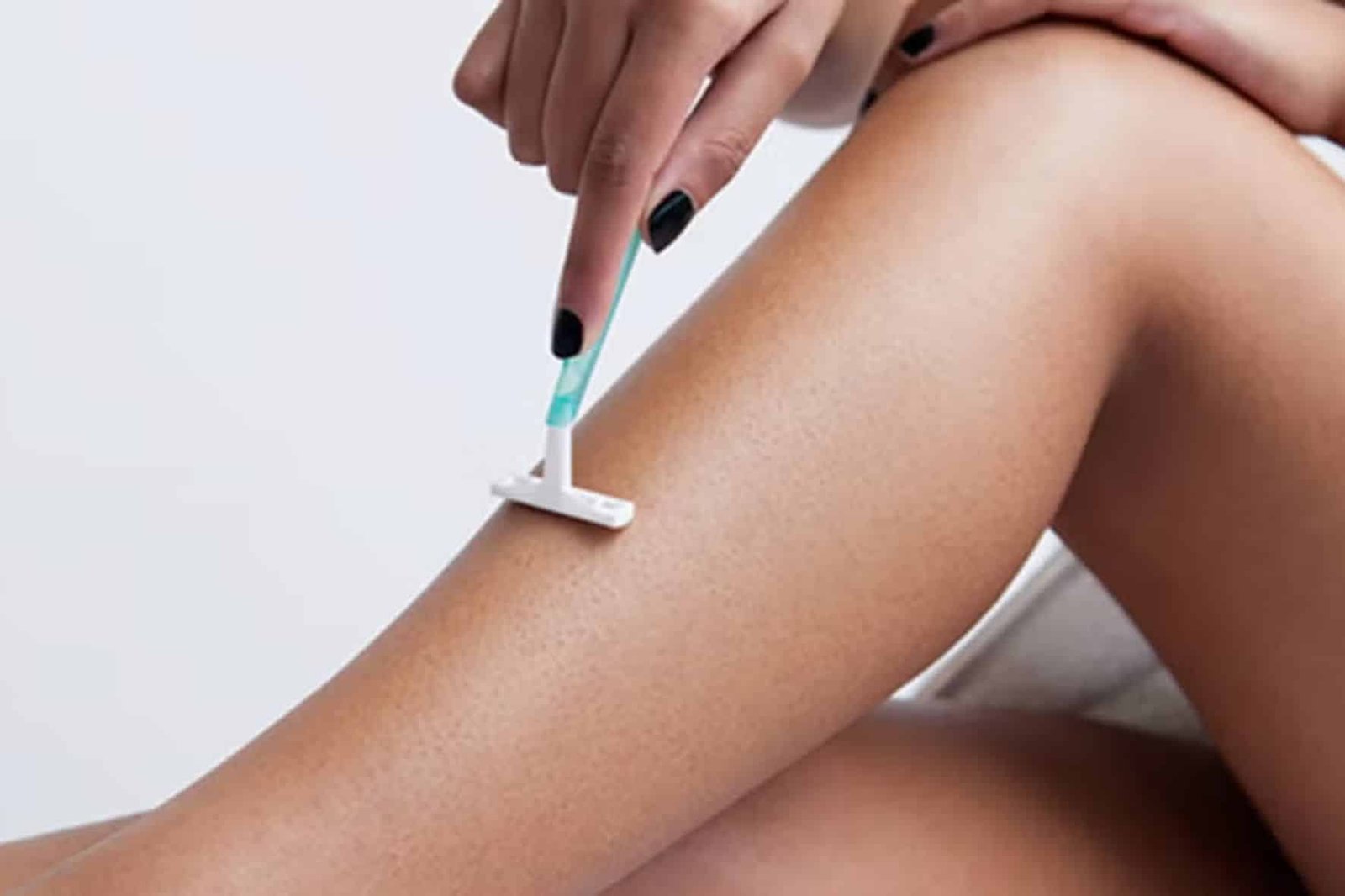
You shave your legs. They feel smooth to touch. But when you look closely in the mirror, you notice tiny dark dots scattered all over your skin almost like the seeds on a strawberry.
That’s what we commonly call strawberry skin.
If you’ve ever felt self-conscious wearing shorts or skirts because of these small dark pores, you’re not alone. Many women and men experience this condition at some point in their lives. The good news? It’s completely manageable.
At Midas Wellness Hub, we believe that understanding your skin is the first step toward treating it correctly. So let’s break down what strawberry skin actually is, why it happens, and most importantly, how you can treat and prevent it effectively.
What Is Strawberry Skin?
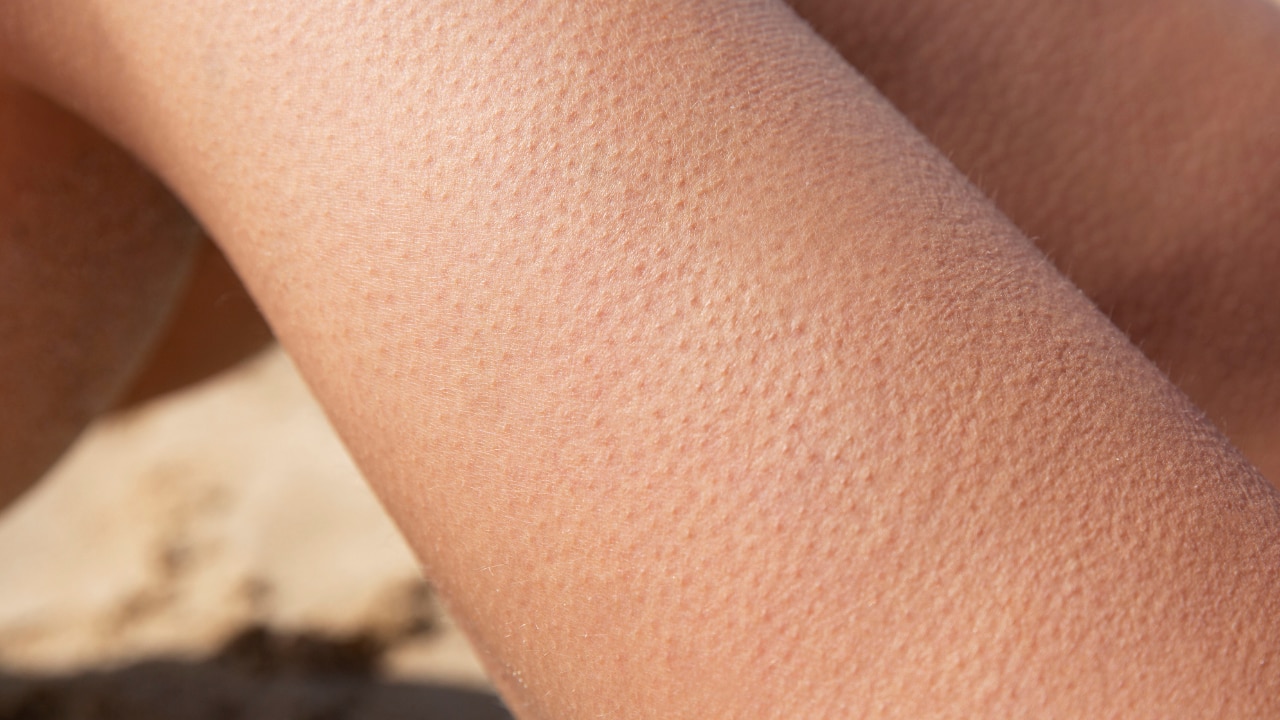
Strawberry skin is not a medical disease. It’s simply a descriptive term for the appearance of small black or dark dots on the legs.
These dots are usually:
- Clogged pores
- Hair follicles filled with oil, dead skin, or bacteria
- Oxidized sebum trapped inside pores
- When exposed to air, the trapped oil oxidizes and turns darker just like how an apple turns brown when cut. This creates that dotted appearance similar to strawberry seeds.
Although it commonly appears on the legs, it can also be seen on arms and sometimes other body areas.
Why Does Strawberry Skin Happen?
There isn’t just one reason. Several factors contribute to it.
1. Shaving Improperly
Using a dull razor, shaving dry skin, or skipping shaving cream can irritate hair follicles. This leads to inflammation and clogged pores.
When hair is cut at the surface without removing the root, it can also grow back inward causing ingrown hairs that appear as dark spots.
2. Clogged Hair Follicles
Your skin naturally produces oil to stay hydrated. But when oil mixes with dead skin cells and dirt, it can block hair follicles.
Once clogged, the pore opening appears darker.
3. Keratosis Pilaris
Sometimes, strawberry skin is linked to a condition called Keratosis pilaris.
In this condition, excess keratin (a skin protein) blocks hair follicles, creating small rough bumps and dark dots. It often feels like “chicken skin.”
4. Dry Skin
Dry skin tends to accumulate dead cells more quickly. When dead skin isn’t exfoliated properly, it builds up and blocks pores.
5. Enlarged Pores
People with naturally larger pores are more likely to notice visible dark dots after shaving.
Is Strawberry Skin Dangerous?
No. It’s not harmful.
It doesn’t indicate infection or serious disease in most cases. However, it can affect confidence and make people feel uncomfortable showing their legs.
The good news is that with the right skincare approach and professional guidance, it can be significantly reduced.
How to Treat Strawberry Skin at Home
Consistency is key. Quick fixes rarely work.
Here’s what actually helps:
1. Gentle Exfoliation
Exfoliation removes dead skin cells that block pores.
You can use:
- Mild physical scrubs (not harsh ones)
- Chemical exfoliants with salicylic acid
- Lactic acid body lotions
- Salicylic acid works well because it penetrates inside pores and clears oil buildup.
- Exfoliate 2–3 times per week not daily, as over-exfoliation can worsen irritation.
2. Moisturize Daily
Hydrated skin sheds dead cells more efficiently.
Look for moisturizers containing:
- Urea
- Lactic acid
- Ceramides
These ingredients soften the skin and reduce rough texture.
Apply immediately after bathing for better absorption.
3. Improve Your Shaving Routine
Small changes make a big difference:
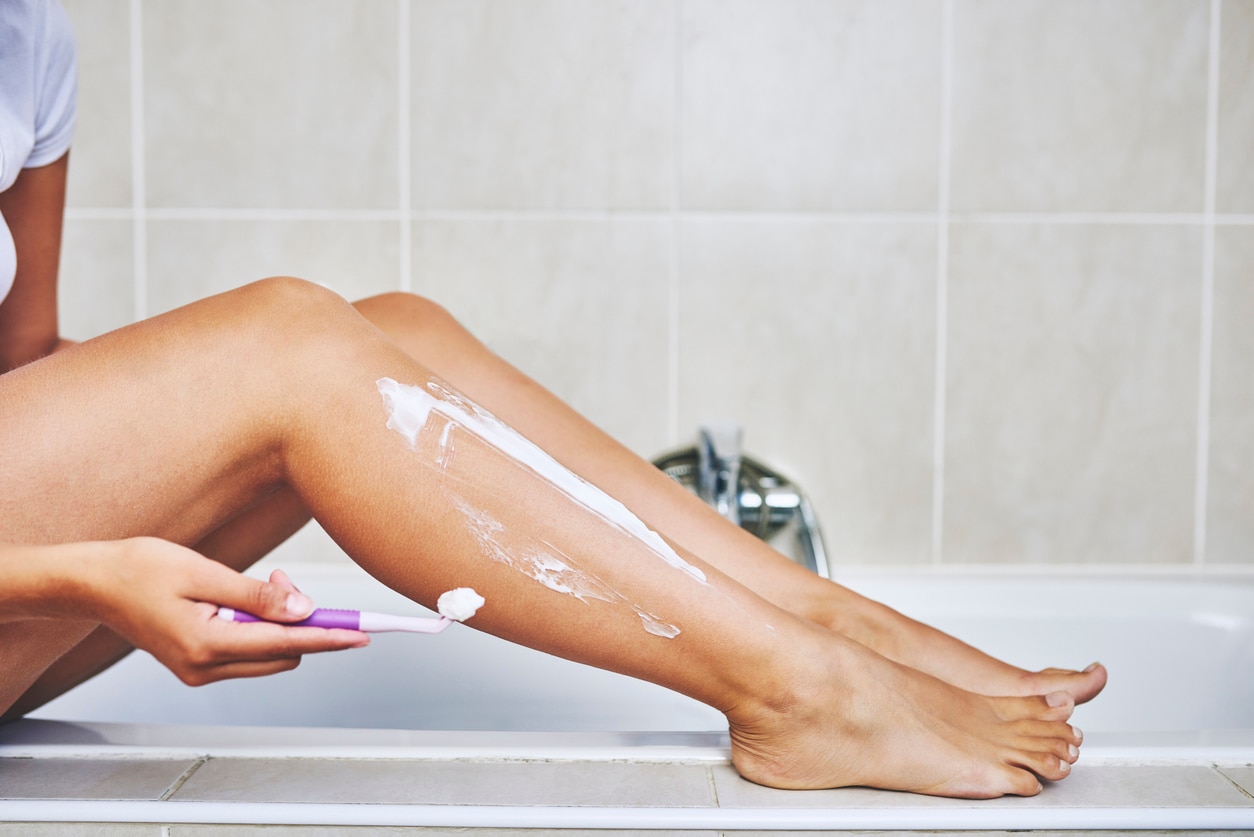
- Always shave after showering
- Use a fresh, sharp razor
- Apply shaving gel or cream
- Shave in the direction of hair growth
- Avoid pressing too hard
- After shaving, apply a soothing moisturizer.
If shaving frequently causes irritation, consider alternatives like waxing or professional hair reduction treatments.
4. Try Retinol (With Guidance)
Retinol increases skin cell turnover and helps prevent clogged pores.
However, it should be used carefully. Overuse can cause irritation, especially on body skin.
Professional consultation is recommended before starting retinol-based treatments.
Professional Treatments That Help
Home care helps but sometimes deeper treatment is needed.
At Midas Wellness Hub, we customize treatment plans based on your skin type and severity.
Here are some effective professional solutions:
1. Medical-Grade Chemical Peels
Body peels containing glycolic acid or salicylic acid remove buildup from pores and smoothen the skin texture.
They help:
- Reduce pigmentation
- Improve skin tone
- Minimize visible dots
- Results improve gradually with sessions.
2. Laser Hair Reduction
One of the most effective long-term solutions.
Laser treatment targets hair follicles directly, reducing hair growth significantly. When hair growth reduces, clogged follicles and ingrown hairs also decrease.
This leads to smoother, clearer legs over time.
Laser sessions are spaced weeks apart and are safe when performed by trained professionals.
3. Hydrating Body Treatments
Deep hydration treatments restore skin barrier function, reducing dryness and rough texture.
When the skin barrier is healthy, pores appear less prominent.
What Not to Do
Sometimes, the urge to scrub aggressively can make things worse.
Avoid:
- Harsh scrubbing
- Picking ingrown hairs
- Using old razors
- Skipping moisturizer
- Overusing strong acids
Skin heals best when treated gently and consistently.
How Long Does It Take to See Results?
This depends on severity and treatment method.
With proper home care:
Visible improvement may appear in 4–6 weeks.
With professional treatments:
Texture improvement can be noticeable within a few sessions.
Patience is important. Skin renewal cycles take time.
When Should You See a Professional?
Consider consulting a skin expert if:
- The dots are painful
- You experience frequent ingrown hairs
- Home remedies are not working
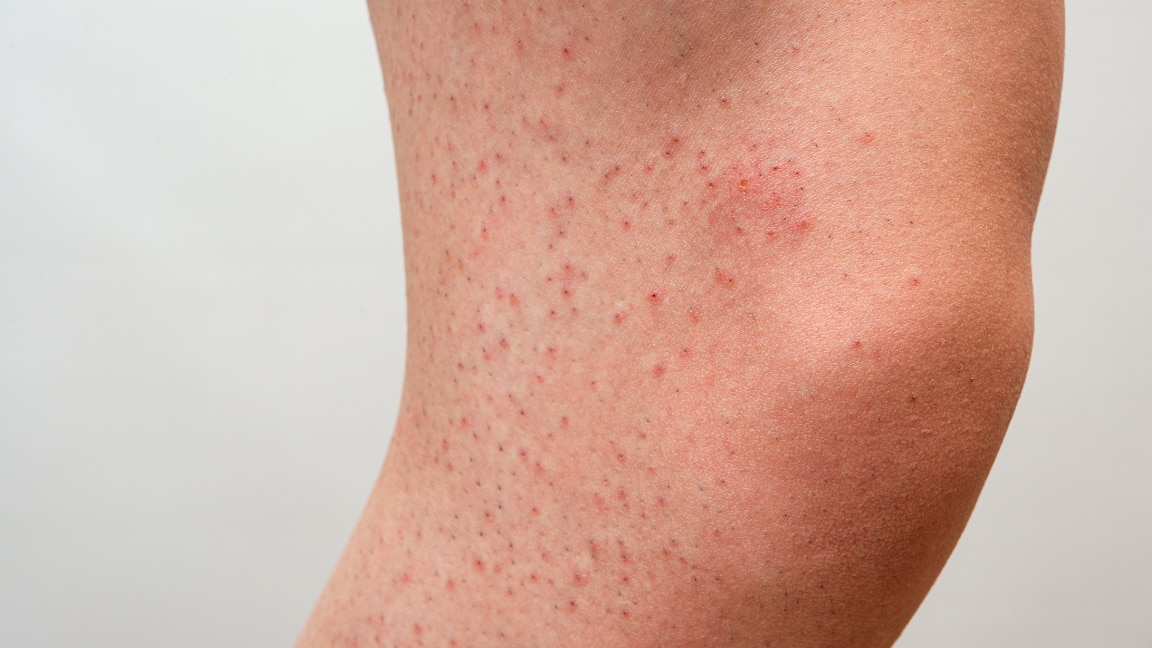
- Skin becomes inflamed or infected
Sometimes what appears as strawberry skin may need medical evaluation.
Confidence Starts with Healthy Skin
Many people assume strawberry skin is caused by poor hygiene. That is not true.
It’s often linked to genetics, hair type, shaving habits, and skin condition.
At Midas Wellness Hub, we approach every skin concern with empathy and personalization. No two skins are identical. Your treatment should not be generic.
Our goal is simple: Smooth texture. Even tone. Healthy glow.
Preventing Strawberry Skin in the Future
Prevention is easier than treatment.
Here’s your maintenance checklist:
- Exfoliate regularly
- Moisturize daily
- Use proper shaving techniques
- Consider long-term hair reduction
- Keep skin hydrated internally by drinking enough water
- Healthy skin habits make long-term difference.
Frequently Asked Questions
- Does waxing cause strawberry skin?
Not usually. In fact, waxing removes hair from the root, which can reduce clogged follicles. However, improper waxing techniques may cause irritation.
- Can men get strawberry skin?
Yes. Anyone who shaves or has clogged follicles can develop it.
Is it permanent?
No. It can be managed and significantly improved with consistent care.
Final Thoughts
Strawberry skin is common. It’s manageable. And most importantly, it’s treatable.
Instead of hiding your legs or feeling conscious, take the right steps toward smoother skin.
At Midas Wellness Hub, we combine professional expertise with customized skincare solutions to help you feel confident in your own skin.
Healthy skin is not about perfection it’s about care, consistency, and the right guidance.
If you’re ready to treat strawberry skin effectively, expert consultation can help you choose the safest and most effective path.
Because your skin deserves attention not frustration.
FAQs
It appears as dark dots or pores on the skin, resembling strawberry seeds.
It is usually caused by clogged pores or hair follicles.
Dead skin buildup, shaving, and ingrown hairs are common causes. Dry skin can also make the condition more visible.
Regular exfoliation and moisturizing can help smooth the skin. Using gentle scrubs or chemical exfoliants improves texture.
Yes, treatments like laser hair reduction and peels can help. They reduce ingrown hairs and improve skin appearance.
How can I prevent strawberry skin from coming back.