

Why Skin Shade Changes With Age: The Science Behind Pigmentation

23
Nov
Why Skin Shade Changes With Age: The Science Behind Pigmentation
A Detailed Blog for Midas Wellness Hub
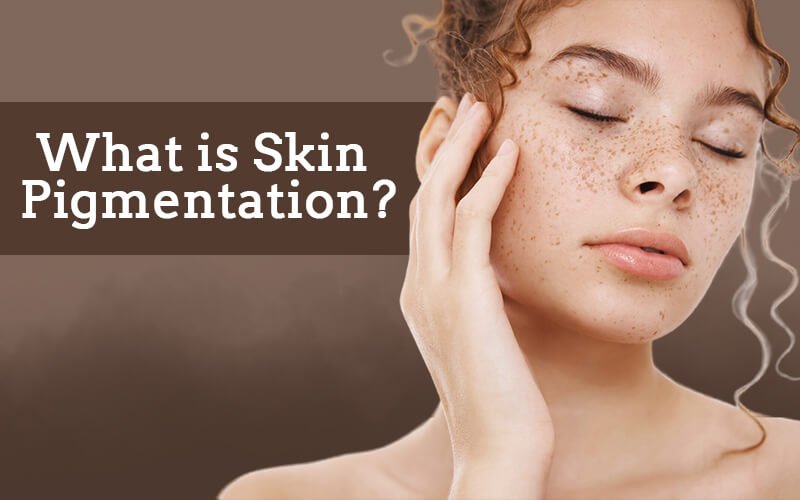
Skin shade is one of the clearest indicators of what is happening inside your body. As you grow older, you may notice that your complexion looks slightly darker, duller, or uneven compared to earlier years. For some, patches of pigmentation begin to appear. For others, the overall complexion loses brightness.
But why does this happen?
Is it normal?
And most importantly, can it be prevented or reversed?
At Midas Wellness Hub, we see thousands of clients who come in confused about sudden skin darkening, melasma, sunspots, or dullness. What many people do not realise is that pigmentation is not just a skin problem, it is deeply connected to hormonal health, inflammation, lifestyle habits, and cellular aging.
This blog breaks down the complete science behind why your skin shade changes with age and what you can do about it.
:max_bytes(150000):strip_icc()/What-Is-Melasma-Dermatologists-Explain-the-Common-Skin-Issue-GettyImages-1179100510-2000-94d462253afe4f2587764494366f3d57.jpg)
1. What Controls Your Skin Shade? The Melanin Mechanism
Your skin color is determined by melanin, a pigment produced by cells called melanocytes. Melanin protects your DNA from UV rays, environmental toxins, and oxidative stress.
As you age, melanocyte activity no longer functions in a stable and controlled way. These cells can become either slow or overly reactive, leading to:
- Uneven pigment production
- Dark patches
- Random spots
- Dull complexion
At Midas Wellness Hub, we explain it simply: Your skin is not “getting darker”; your melanocytes are becoming confused due to internal and external stressors.
2. Sun Exposure: The Most Powerful Driver of Pigmentation
UV exposure remains the number one reason skin shade changes with age. Even in countries like India, where people assume they’re naturally adapted to sun, sun damage continues to accumulate silently over the years.
How the Sun Changes Your Skin Shade Over Time
UV rays stimulate melanocytes to produce more melanin for protection.
Over years, this protective mechanism becomes overstimulated.
Eventually, even mild sunlight triggers excess melanin.
This results in:
- Persistent tan
- Brown patches
- Sunspots
- Darker forehead and jawline
- Dullness even with regular skincare
At Midas Wellness Hub, around 60% of pigmentation cases are directly linked to prolonged UV exposure mixed with hormonal changes.
3. Hormonal Changes: The Hidden Trigger Behind Shade Shifts
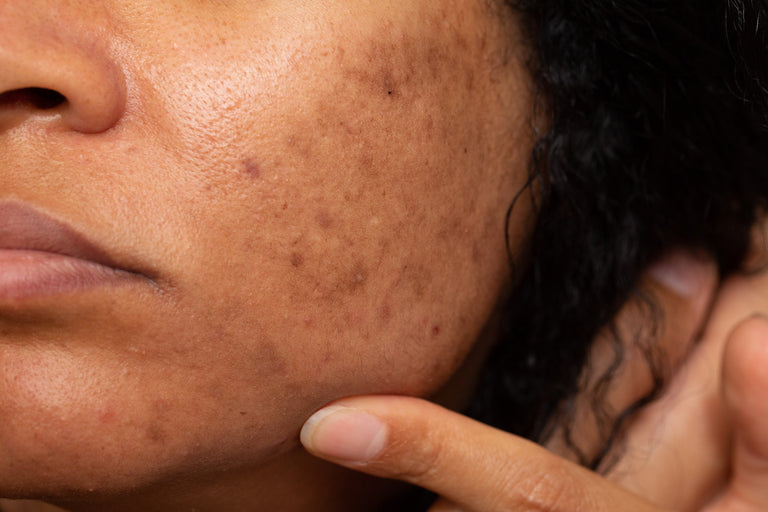
Hormones have a significant influence on skin pigmentation, especially for women. Estrogen and progesterone affect melanin production and melanocyte sensitivity.
Skin Shade Changes Are Common During:
- Pregnancy
- PCOS
- Thyroid imbalance
- Perimenopause
- Menopause
- Oral contraceptive use
These hormonal fluctuations often cause:
- Melasma around the cheeks and forehead
- Dark patches around the mouth
- Increased tanning
- Uneven tone
At Midas Wellness Hub, we correct pigmentation both internally and externally because topical treatments alone cannot control hormone-driven pigmentation.
4. Inflammation: The Silent Reason Skin Gets Darker
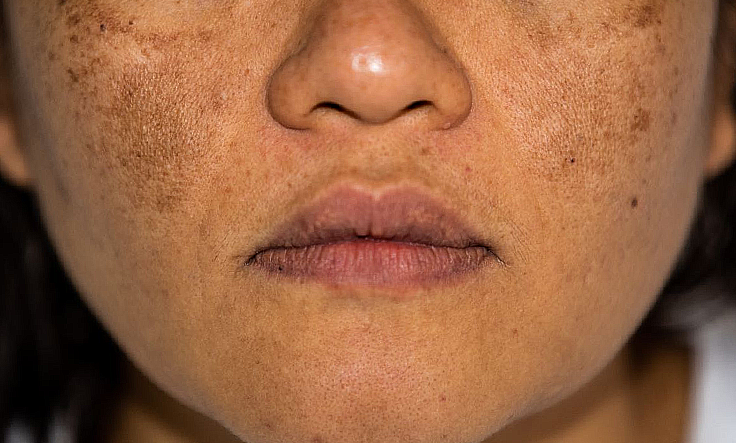
Chronic inflammation is one of the biggest contributors to pigmentation. Modern lifestyle factors like irregular diets, high stress, poor sleep, gut dysfunction, and pollution create inflammatory responses inside the body.
Inflammation Leads To:
- Overactive melanocytes
- Post-inflammatory hyperpigmentation
- Stubborn dark marks after acne
- Slower skin healing
- Overall darkened complexion
Many clients at Midas Wellness Hub are surprised when we explain that their acne marks aren’t fading because their inflammation levels are too high.
Pigmentation is not the problem, inflammation is.
5. Aging: A Natural Trigger That Alters Skin Shade
Aging slows down multiple biological processes that directly influence skin tone. These include:
- Cell turnover
- Collagen production
- Antioxidant defense
- DNA repair mechanisms
When these processes weaken, the skin begins to accumulate dull, poorly functioning cells on the surface.
Effects of Aging on Skin Shade
- Patchy pigmentation
- Uneven tone
- Duller complexion
- Increased sun sensitivity
Melanocytes also shrink and produce melanin irregularly, making pigmentation appear more defined.
At Midas Wellness Hub, we focus on accelerating cellular renewal to help clients regain clarity and evenness in their complexion.
6. Stress: The Fastest Way to Darken Skin Without Sun
Stress is a major yet often overlooked cause of pigmentation. When stress levels rise, so does cortisol, a hormone that can disturb melanocyte function.
How Stress Darkens the Skin
- Blood flow to the skin decreases
- Inflammation rises
- Antioxidant levels drop
- Free radicals increase
- This results in:
- Dull skin
- Dark under-eyes
- Patchy pigmentation
- Overall tired appearance
Many people tell us at Midas Wellness Hub, “My skin looks tired even when I haven’t gone out in the sun.” The root cause is often stress-triggered pigmentation.
7. Genetics: Understanding Inherited Pigmentation Tendencies
Your genes influence:
- Baseline melanin levels
- How easily your skin darkens
- How reactive your melanocytes are
- Whether you are prone to melasma or sunspots
While genetics plays a role, it is not the whole story. Lifestyle habits, sun exposure, hormones, and stress determine how severely pigmentation shows up.
At Midas Wellness Hub, even clients with genetically stubborn pigmentation see improvement once internal triggers are treated correctly.
8. Nutrition and Gut Health: A Mirror of Your Skin Tone
Your diet and gut health are strongly connected to your pigmentation levels.
Nutrient deficiencies commonly cause darkening, including low levels of:
- Vitamin C
- Vitamin B12
- Iron
- Omega-3
- Antioxidants
- Zinc
A dysfunctional gut leads to poor nutrient absorption and triggers chronic inflammation, both of which contribute to pigmentation and dullness.
At Midas Wellness Hub, we address gut health and supplement deficiencies to support long-term pigmentation healing.
9. Why Skin Shade Suddenly Changes After Ages 25, 30, or 35
Many people report that their complexion changed around these age milestones. This is due to combined internal shifts such as:
- Reduced collagen
- Oxidative stress buildup
- Hormonal changes
- Higher stress levels
- Declining antioxidant capacity
- Slower skin regeneration
- Common Skin Changes in This Age Group
- Tan that doesn’t fade quickly
- Darker jawline and mouth area
- Early melasma
- Patchy complexion
- Rough texture
This age group forms the majority of pigmentation consultations at Midas Wellness Hub.
10. Can You Restore Your Skin Shade? The Answer Is Yes
The positive news is that pigmentation and uneven skin tone are reversible with the correct approach. At Midas Wellness Hub, we use a structured three-layer method for long-lasting results.
Layer 1: Internal Correction
This includes:
- Balancing hormones
- Reducing inflammation
- Correcting gut issues
- Improving sleep
- Managing stress
- Filling nutrient gaps
Once internal balance is restored, melanocyte activity becomes more stable.
Layer 2: External Treatments
These therapies target existing pigmentation:
- Medical peels
- Laser toning
- Brightening medi-facials
- Controlled exfoliation
- Targeted pigmentation protocols
- Barrier-support treatments
Treatments are chosen based on skin type, severity, and root cause.
Layer 3: Long-Term Maintenance
This prevents pigmentation from returning.
It includes:
- Daily sunscreen
- Antioxidant serums
- A consistent routine
- Supplements
- Stress and sleep regulation
Maintaining results is as important as achieving them.
11. How Midas Wellness Hub Treats Pigmentation Differently
Most people try random creams or salon facials without addressing internal causes, which leads to temporary improvement but eventual relapse.
What Makes Our Approach Unique
- Functional medicine-based protocols
- Deep hormonal and nutritional assessment
- Scientific skin therapies only
- No harsh or aggressive treatments
- Personalized mapping for every skin type
- Sustainable, long-term results
Clients often see noticeable improvement within weeks because the treatment is aligned with how their body and skin function together, not against it.
Conclusion: Your Skin Shade Reflects Your Internal Health
Pigmentation is not a flaw but a sign from your body. As you age, your skin shade can shift due to:
- Sun exposure
- Hormonal changes
- Inflammation
- Stress
- Aging
- Nutritional deficiencies
- Genetics
But with a holistic approach like the one followed at Midas Wellness Hub, you can restore clarity, brightness, and even tone naturally and effectively.
Your skin is not getting darker because it is “getting worse.”
It simply needs balance, nourishment, and a method backed by science and consistency.