

The Hidden Causes of Cracked Heels and How to Treat Them Effectively

02
Dec
The Hidden Causes of Cracked Heels and How to Treat Them Effectively
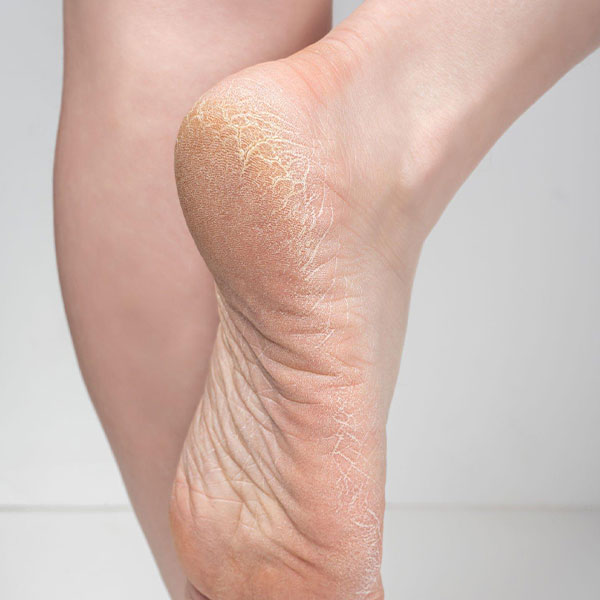
Cracked heels, commonly called heel fissures, are among the most frequent concerns seen in aesthetic clinics, and wellness centres today. People often assume cracked heels occur only in winter, only due to dryness, or only in women. In reality, cracked heels affect both men and women, across all age groups, and throughout the year. In many cases, men actually experience deeper, more severe fissures because of prolonged standing, barefoot walking, lack of regular foot care, occupational pressure, and thick heel skin.
Cracked heels are not just a cosmetic issue. When left untreated, they can lead to pain, inflammation, infection, bleeding, callus formation, and in severe cases, difficulty walking. At Midas Wellness Hub, we treat cracked heels through a science-backed, dual approach that addresses both the external skin damage and the internal deficiencies or dehydration that contribute to chronic heel issues.
This comprehensive guide covers four major aspects of cracked heel care:
- Foot Peels vs Clinical Heel Treatments
- How IV Drips Improve Dry Skin and Cracked Heels
- Why Moisturizer Alone Does Not Work
- Vitamin Deficiencies Linked to Cracked Heels
Combined, these offer a complete understanding of why cracked heels happen and how to treat them effectively and medically.
Understanding Cracked Heels: Not Just Dry Skin
Cracked heels occur when the skin on the heels becomes excessively dry, thick, or hard, and loses elasticity. When pressure is applied while standing or walking, the dry skin splits. These fissures can be shallow or deep depending on lifestyle, medical conditions, hydration, and skin type.
Many people mistakenly believe cracked heels are caused only by dryness. However, factors such as nutrient deficiencies, dehydration, fungal infections, friction, repeated stress on the heel, and improper footwear can all contribute to the problem. This is why a proper clinical evaluation is essential.
Cracked heels develop in both men and women. Men often get them due to rough skin texture, outdoor footwear, and a tendency to overlook foot care, whereas women may experience cracking due to footwear styles, dry skin, or hormonal dryness. Regardless of gender, cracked heels require targeted, professional treatment.
1. Foot Peels vs Clinical Heel Treatments: Which Works Better?
Foot peels have become extremely popular in recent years. The internet is filled with images of feet shedding layers of skin after using chemical foot peel socks. While these products can be satisfying to use and show visible peeling, it is important to understand what they can and cannot do.
What Foot Peels Actually Do
Foot peels contain exfoliating acids such as glycolic acid, lactic acid, salicylic acid, and fruit enzymes. These dissolve the superficial dead skin cells, causing them to shed over several days. Foot peels are helpful for:
- Mild roughness
- Superficial dryness
- Uneven foot texture
- Cosmetic exfoliation
They offer temporary smoothness and are suitable for people who do not have deep cracks or painful fissures.
Limitations of Foot Peels
Foot peels cannot treat:
- Deep cracks
- Bleeding fissures
- Hardened calluses
- Infections around the heel
- Chronic dryness
Because they only work on the outermost skin layer, they do not address the structural damage or the thickened skin that forms due to chronic heel stress. Excessive peeling from at-home peels can also cause sensitivity, especially for people with sensitive or diabetic skin.
Clinical Heel Treatments at Midas Wellness Hub

Clinical heel care involves a medically supervised approach designed to treat not only the dryness but the entire condition. Using advanced clinical protocols, the goal is to remove thickened layers safely, rebuild the skin barrier, treat infections if needed, and provide long-term results.
What Clinical Heel Treatments Include:
- Medical-grade debridement of thickened skin
- Controlled clinical chemical peeling
- Professional softening agents with urea and lactic acid
- Use of barrier-repair creams
- Laser or LED therapy for faster healing
- Anti-fungal or anti-bacterial care if required
- Nutritional and hydration evaluation
- Benefits of Clinical Treatments
- Effective for deep painful cracks
- Reduces the recurrence of fissures
- Prevents infections and inflammation
- Suitable for both men and women with severe heel dryness
- Supports long-term skin barrier repair
- Treats internal and external causes simultaneously
- Foot peels offer cosmetic improvement, but clinical heel care delivers true healing.
2. How IV Drips Improve Dry Skin and Cracked Heels

A key reason many people experience chronic cracked heels is internal dehydration. Even if you apply thick creams externally, the skin will remain dry, dull, and prone to splitting if the body is lacking hydration or essential nutrients.
IV drip therapy offers a highly effective way to correct this problem by delivering hydration and essential nutrients directly into the bloodstream. Because IV drips bypass digestion, they offer 100 percent absorption and immediate benefits.
How IV Drips Improve Heel Skin:
- Hydrate the skin from within
- Improve cellular water levels
- Enhance skin elasticity
- Strengthen the skin barrier
- Help the skin retain moisture
- Support collagen production
- Ingredients in IV Drips That Benefit Cracked Heels
- Vitamin C for collagen strengthening
- Biotin for skin hydration and elasticity
- B-complex vitamins for dryness linked to deficiencies
- Glutathione for skin repair
- Electrolytes for deep hydration
- Amino acids for tissue regeneration
These nutrients help repair damaged skin cells and reduce chronic dryness that contributes to heel fissures.
Who Should Consider IV Drips
- Individuals with chronic dry skin
- People who drink insufficient water
- Those with nutrient deficiencies
- People with frequent heel cracking
- Men or women who stand long hours
- People with poor circulation or sluggish healing
IV hydration works from the inside out and can significantly enhance the effectiveness of topical and clinical treatments.
3. Why Your Moisturizer Isn’t Working for Cracked Heels
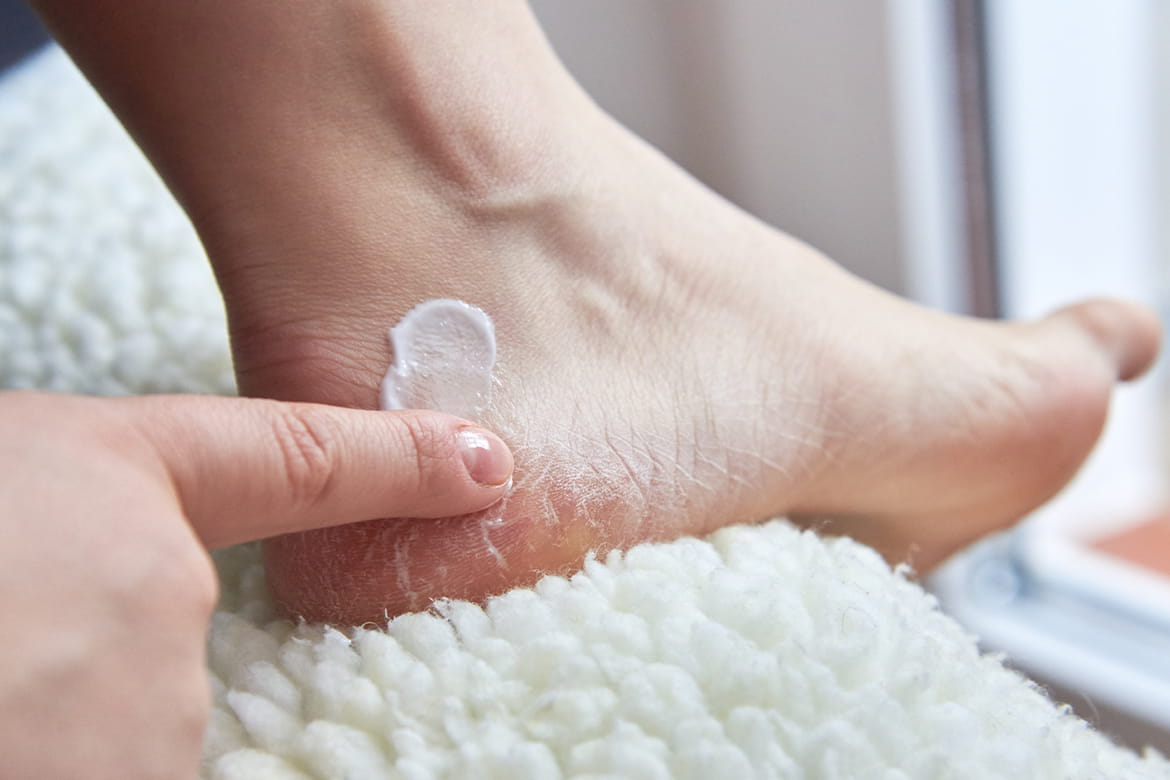
Many individuals apply moisturizer daily yet see no improvement in heel cracking. This is because cracked heels often require medical-grade formulations, not regular body lotions.
1. Using the Wrong Product
Body lotions do not penetrate thick heel skin. Cracked heels require formulations with:
Urea (20–40 percent)
- Lactic acid
- Petrolatum
- Ceramides
- Salicylic acid
These ingredients help soften and break down hardened skin while repairing the barrier.
2. Lack of Exfoliation
If the heel is covered with thick dead skin, moisturizers cannot absorb properly. This is why professional debridement or controlled peeling is essential before applying creams.
3. Internal Dehydration
Even the strongest external cream will not work if the body lacks hydration and nutrients. This is why IV drips, dietary correction, and internal wellness matter.
4. Fungal or Bacterial Infections
Fungal infections can cause the skin to crack repeatedly. Without treating the infection, moisturizers will not help.
5. Friction and Foot Habits
Walking barefoot, wearing open-back footwear, or prolonged standing causes stress on the heel, making cracks reappear even with cream use.
4. Are Cracked Heels a Sign of Vitamin Deficiency?

Yes, cracked heels can be linked to deficiencies in several essential vitamins and minerals. Nutrient deficiencies weaken the skin’s structural integrity, reduce elasticity, and impair the skin barrier.
Common Deficiencies That Cause Cracked Heels:
- Vitamin B3 (niacin)
- Vitamin B7 (biotin)
- Vitamin C
- Vitamin E
- Iron
- Zinc
- Omega-3 fatty acids
These deficiencies can cause severe dryness, flakiness, delayed healing, and thickening of the heel skin.
Correcting these deficiencies through dietary changes, supplements, or IV therapy can significantly improve skin hydration and prevent future cracking.
About Midas Wellness Hub
Midas Wellness Hub is a leading skin, hair, laser, and functional wellness clinic dedicated to providing science-backed treatments with a personalised approach. With years of expertise and over 15,000+ clients treated, Midas focuses on both external and internal healing to ensure long-lasting results.
For cracked heels, Midas Wellness Hub offers:
- Clinical heel treatments
- Medical-grade chemical exfoliation
- Laser and LED healing therapy
- Prescription-based barrier repair
- Nutritional analysis
- IV hydration and vitamin therapies
- Functional wellness assessments
Every treatment plan is customised based on the patient’s skin condition, lifestyle, hydration levels, deficiencies, and overall health. The goal is not just to repair cracked heels, but to strengthen the skin, prevent recurrence, and improve overall wellness.
Conclusion
Cracked heels are not merely a cosmetic issue but a medically relevant condition that requires proper diagnosis and comprehensive treatment. While foot peels can help with superficial roughness, they fall short in addressing deep fissures, thick calluses, or chronic dryness. Clinical heel treatments offer long-term results by repairing the skin structure and treating underlying causes.
Internal wellness plays a critical role as well. IV drips correct dehydration and nutrient deficiencies that prevent the skin from healing. Moisturizers alone are often insufficient unless combined with exfoliation, barrier repair, and internal hydration. Vitamin deficiencies, fungal infections, lifestyle habits, and improper footwear all contribute to recurring heel cracks.
Midas Wellness Hub combines dermatological care, advanced technology, internal wellness, and personalised treatment protocols to provide complete healing for cracked heels. By addressing both external and internal factors, Midas ensures that patients achieve healthier, stronger, and smoother heels with lasting results.