
Stress-Induced Skin Disorders: Acne, Hair Fall & Pigmentation

31
Dec
Stress-Induced Skin Disorders: Acne, Hair Fall & Pigmentation
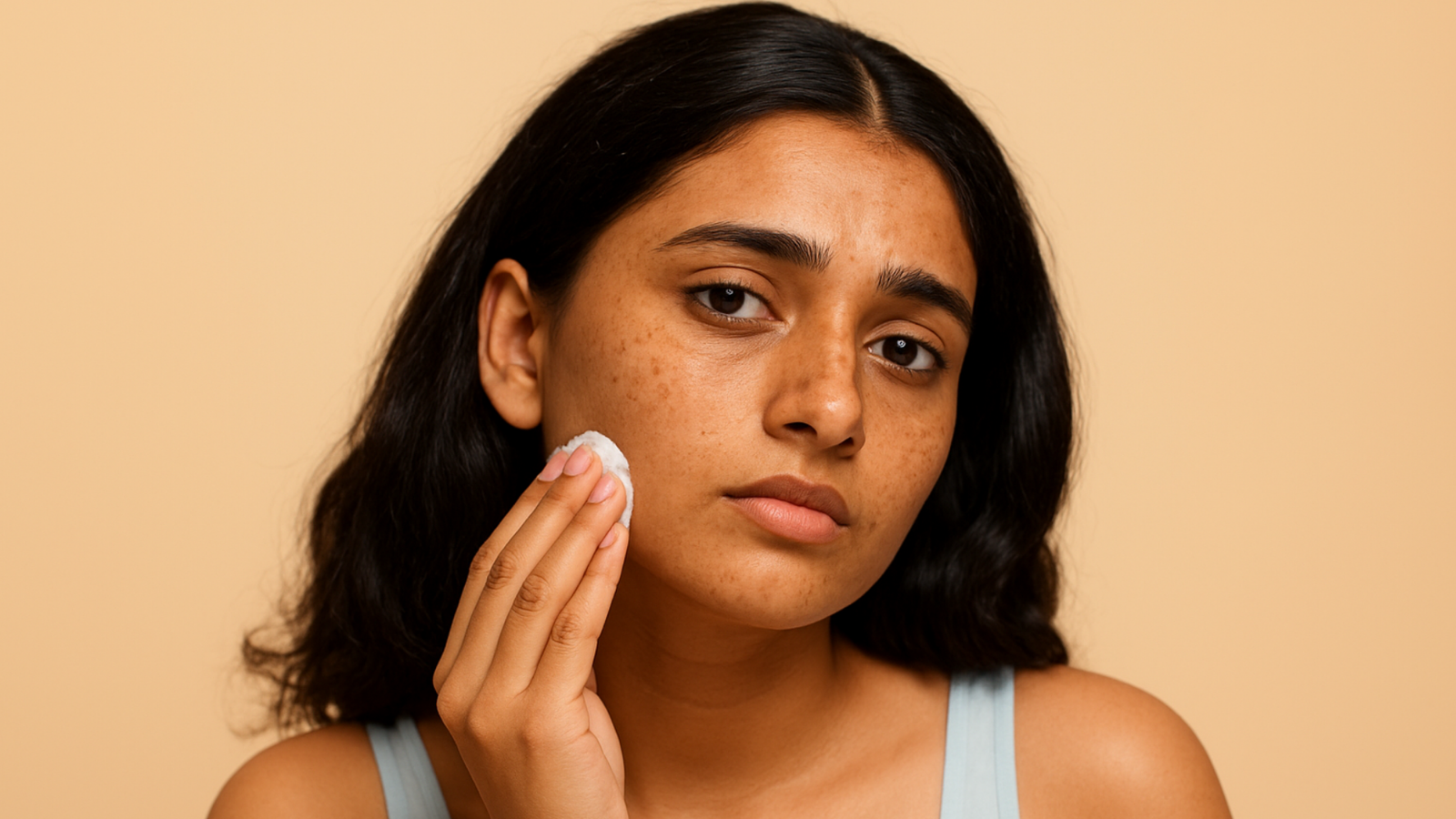
In today’s fast-paced lifestyle, stress has become an unavoidable part of daily life. Long working hours, constant screen exposure, irregular routines, commuting stress, and lack of rest have a profound impact on overall health. One of the earliest and most visible areas affected by stress is the skin and hair.
At Midas Wellness Hub, we commonly see patients experiencing sudden acne flare-ups, excessive hair fall, and stubborn pigmentation often without any clear external trigger. In many cases, the underlying cause is chronic stress.
This blog explains how stress affects skin and hair health, the most common stress-induced skin disorders, and the right solutions to manage and prevent them
How Stress Affects the Skin & Hair
When the body is under stress, it releases a hormone called cortisol. While cortisol is essential in small amounts, chronically elevated cortisol levels disrupt multiple systems in the body.
Stress leads to:
- Increased oil (sebum) production
- Inflammation and weakened skin barrier
- Hormonal imbalance
- Reduced blood circulation to skin and scalp
- Slower skin repair and hair growth cycles
- Over time, this internal imbalance manifests externally as acne, hair thinning, and pigmentation.
- Stress-Induced Acne
- Why Stress Causes Acne
- Stress stimulates cortisol production, which in turn:
- Increases oil secretion from sebaceous glands
- Triggers inflammation
- Slows skin healing
- Weakens immunity against acne-causing bacteria
- This makes acne more frequent, painful, and resistant to routine skincare products.
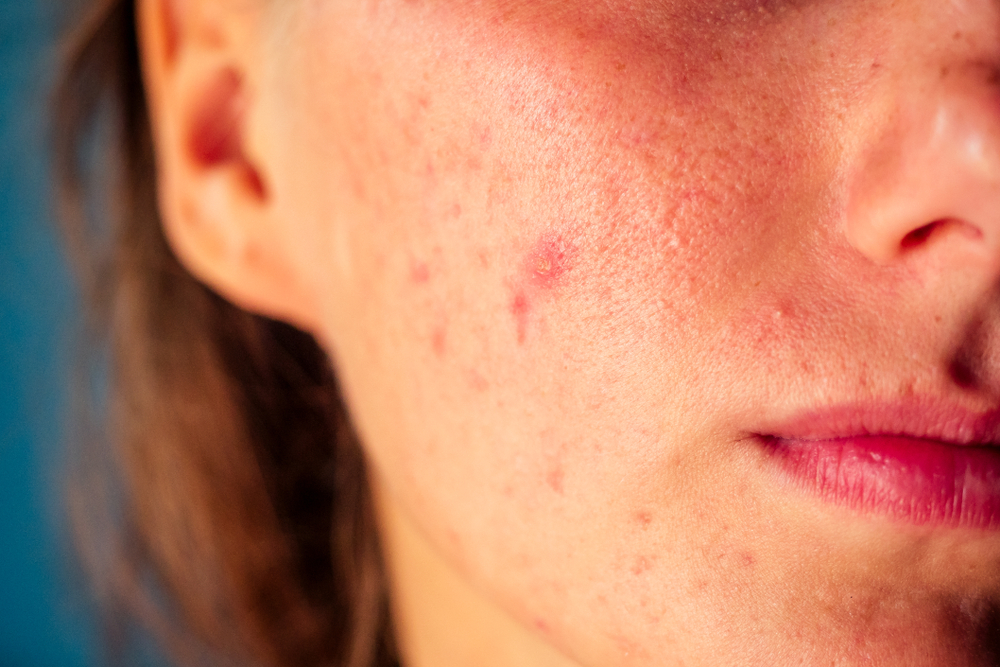
- Common Features of Stress Acne
- Sudden breakouts during stressful periods
- Painful, inflammatory pimples
- Acne along jawline, cheeks, and chin
- Delayed healing and post-acne marks
- Stress acne often worsens before exams, deadlines, emotional stress, lack of sleep, or prolonged anxiety.
- Stress-Induced Hair Fall


How Stress Affects Hair Growth
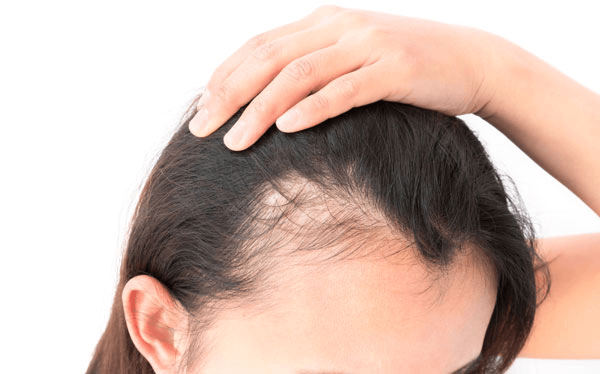
Hair grows in cycles. Chronic stress pushes hair follicles prematurely into the resting (telogen) phase, leading to excessive hair shedding a condition known as Telogen Effluvium.
Stress also:
- Reduces blood flow to hair follicles
- Affects nutrient absorption
- Disrupts hormonal balance
- Signs of Stress-Related Hair Fall
- Sudden increase in hair shedding
- Hair thinning rather than patchy loss
- Hair fall noticed after illness, emotional trauma, or prolonged stress
- Hair loss while combing or washing
- If untreated, stress-induced hair fall can become chronic.
- Stress-Induced Pigmentation
- Why Stress Triggers Pigmentation
- Stress increases inflammation and oxidative stress in the body. It also stimulates melanocyte activity, the cells responsible for pigment production.
- As a result, patients may notice:
- Dark patches on the face
- Uneven skin tone
- Worsening melasma
- Post-acne pigmentation that fades slowly
- Stress also delays skin repair, making pigmentation more stubborn.

Lifestyle Factors That Worsen Stress-Related Skin Issues
Modern urban habits amplify stress-induced skin disorders:
1. Poor Sleep
Inadequate sleep increases cortisol levels and prevents skin repair, worsening acne, hair fall, and pigmentation.
2. Unhealthy Eating Habits
Stress often leads to:
- Junk food consumption
- High sugar intake
- Skipping meals
- These habits increase inflammation and hormonal imbalance.
3. Excessive Screen Time
Constant phone and laptop use increases mental fatigue, sleep disruption, and face touching triggering breakouts.
4. Pollution & Daily Commute
Long travel hours expose skin to dust, pollution, sweat, and sun damage, worsening stress-related skin conditions.
Solutions: Managing Stress-Induced Skin Disorders

Treating stress-related skin and hair problems requires a holistic and medical approach. Treating only the symptoms without addressing stress often leads to recurrence.
1. Medical Evaluation & Diagnosis
At Midas Wellness Hub, we focus on identifying:
- Stress levels and lifestyle triggers
- Hormonal imbalances
- Nutritional deficiencies
- Skin and scalp condition
- This helps create a personalized treatment plan.
2. Medical Treatments for Stress-Induced Acne
Depending on severity:
- Prescription topical treatments
- Anti-inflammatory medications
- Hormonal regulation if needed
- Short-term oral therapy (only under supervision)
- Advanced treatments may include:
- Chemical peels
- LED light therapy
- Laser acne treatments
These reduce inflammation, oil production, and prevent scarring.
3. Treatments for Stress-Related Hair Fall
Hair fall treatment focuses on restoring the growth cycle:
- Medical scalp treatments
- Nutritional supplementation (if deficient)
- Growth-stimulating therapies
- Stress management support
- Early intervention ensures faster regrowth.
4. Pigmentation Management
For stress-induced pigmentation:
- Medical creams to regulate melanin production
- Chemical peels
- Laser pigmentation treatments
- Skin barrier repair therapies
- Consistency is crucial for visible improvement.
5. Stress Management for Skin & Hair Health
Reducing stress is essential for long-term results.
✔ Adequate sleep (7–8 hours daily)
✔ Regular physical activity
✔ Meditation, yoga, or breathing exercises
✔ Reducing screen time before bed
✔ Taking breaks during work hours
Even small changes can significantly improve skin health.
6. Diet & Lifestyle Modifications
Include:
- Fresh fruits and vegetables
- Omega-3 fatty acids
- High-protein foods
- Adequate hydration
- Reduce:
- Sugar and refined carbs
- Fried and processed foods
- Excess caffeine
A balanced diet supports hormonal balance and skin repair.
7. Simple & Consistent Skincare Routine
- Gentle cleanser twice daily
- Non-comedogenic moisturizer
- Broad-spectrum sunscreen
- Minimal products to avoid irritation
- Avoid frequent product switching and harsh scrubs.
- Preventing Stress-Induced Skin Disorders
- Address stress early
- Avoid touching or picking skin
- Clean phone screens and pillowcases regularly
- Wash face after commuting
- Follow maintenance plans as advised
- Prevention is always easier than correction.
- Why Early Treatment Matters
- Ignoring stress-related skin issues can lead to:
- Permanent acne scars
- Chronic hair thinning
- Deep pigmentation
- Reduced confidence and emotional distress
- Early professional care ensures better outcomes.

Why Choose Midas Wellness Hub?
At Midas Wellness Hub, we combine:
- Medical expertise
- Advanced skin and hair treatments
- Lifestyle and stress management guidance
- Personalized care plans
Our goal is not just visible improvement but long-term skin and hair health.
Final Thoughts
Stress is a silent trigger that affects skin and hair more than most people realize. Acne, hair fall, and pigmentation are often the body’s way of signaling internal imbalance.
With the right medical care, lifestyle changes, and stress management, stress-induced skin disorders are completely manageable.
Healthy skin begins with balanced wellness and at Midas Wellness Hub, we help you achieve better.