
Scalp Health: How to Fix Dandruff, Itching, and Oily Scalp from Within

12
Dec
Scalp Health: How to Fix Dandruff, Itching, and Oily Scalp from Within
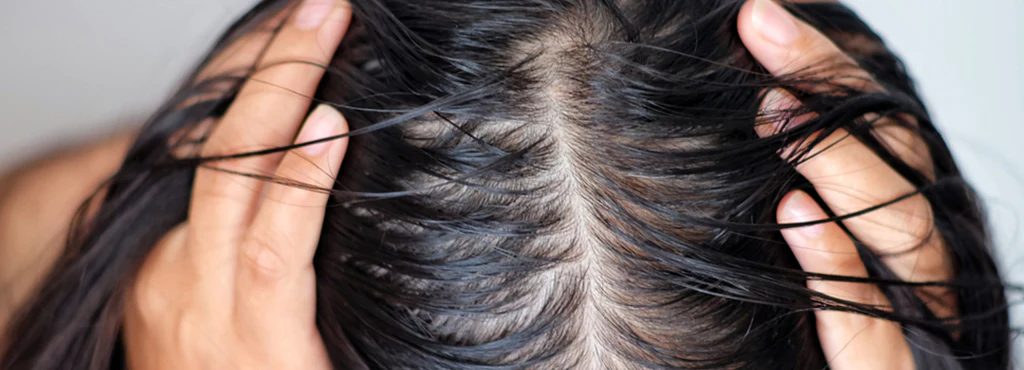
Most people believe dandruff, itching, dryness, or an oily scalp are external problems that can be fixed with the right shampoo. But in reality, scalp health is far more complex. The scalp is an extension of your skin, influenced by hormones, stress levels, nutrition, immunity, and even gut health. That is why many individuals struggle for years with recurring dandruff, constant itching, excess oil, hair fall, or scalp sensitivity despite trying multiple hair products.
Functional medicine provides an entirely different perspective: it identifies and treats the internal imbalances that create scalp issues in the first place. Instead of masking symptoms, it focuses on restoring the body’s natural mechanisms that regulate oil production, skin turnover, immunity, and microbial balance.

This detailed guide explains the real internal causes of dandruff, itching, and oily scalp, and how a root-cause approach can provide long-term relief.
Understanding the Scalp: More Than Just Skin
The scalp is a unique ecosystem. It has:
A high density of hair follicles
Overactive sebaceous (oil) glands
A sensitive microbiome
Constant exposure to sweat, pollution, and styling products
Hormonal receptors that respond to stress and metabolic changes
When this delicate environment is disrupted, symptoms appear, dandruff, itching, flakes, inflammation, fungal overgrowth, and excessive hair fall.
Most scalp disorders are multifactorial, meaning they arise from a combination of internal and external triggers. That’s why treating only the surface rarely leads to lasting improvement.
Common Scalp Concerns and Their True Causes
1. Dandruff
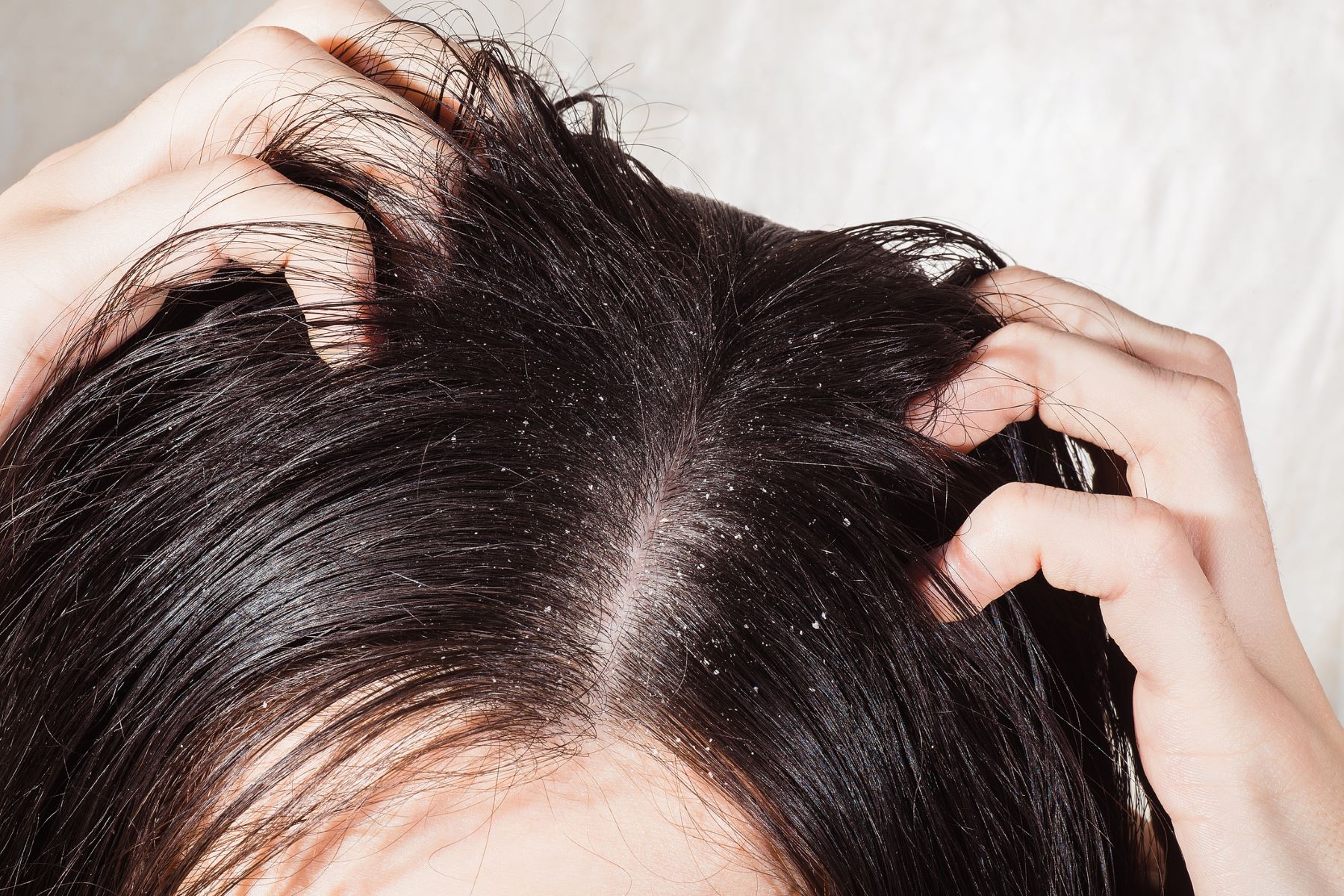
Often assumed to be just a fungal issue, dandruff is usually a sign of:
- Overactive oil glands
- Imbalanced scalp microbiome (yeast overgrowth)
- Fast skin cell turnover due to inflammation
- Sensitivity to hair products
- Chronic dehydration
- Nutrient deficiencies like zinc or B-vitamins
- But deeper issues trigger these imbalances.

2. Itchy Scalp
Itching is the scalp’s inflammatory response. Chronic itch often suggests:
- Allergic reactions
- Fungal imbalance
- Excess histamine production
- Stress-induced inflammatory markers
- Scalp barrier disruption
- Dryness caused by internal dehydration or harsh shampoos
Itching is usually a symptom, not the problem itself.

3. Oily Scalp
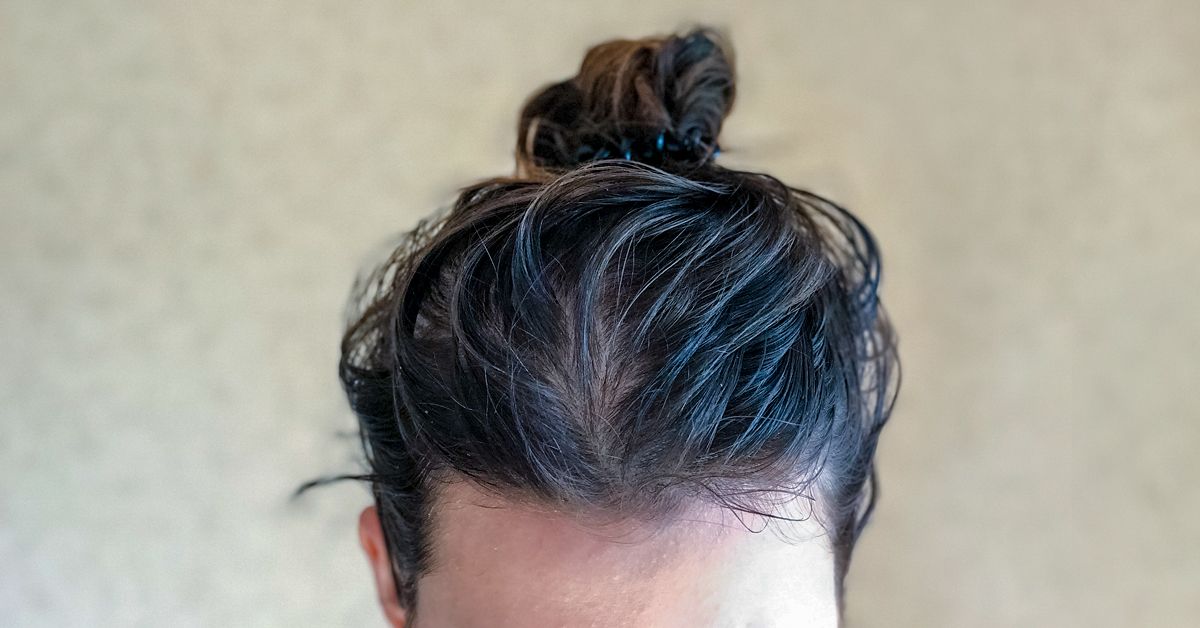
An oily scalp isn’t always due to poor hygiene. It is influenced by:
- Hormonal fluctuations, especially androgens
- Stress-related cortisol surges
- Over-washing the hair, causing rebound oil production
- High glycemic or dairy-rich diets
- Climate changes
- Genetics
The key is understanding why the glands are overactive.
Why External Treatments Alone Don’t Work
Most shampoos target fungi, flakes, or excess oil. While they can provide temporary relief, they do not address:
- Hormonal triggers
- Chronic inflammation
- Gut-skin axis dysfunction
- Nutritional deficiencies
- Stress-induced scalp changes
- Immune imbalances
This is why dandruff often keeps coming back.
To truly heal the scalp, you need to address internal biology alongside external care.
Functional Medicine Perspective: Treating Scalp Issues from the Inside Out
Functional medicine looks at the scalp as an extension of overall health. Here are the internal systems involved:
1. Gut Health and the Scalp Connection
An unhealthy gut leads to:
- Increased inflammation
- Poor nutrient absorption
- Overgrowth of harmful microbes
- Weak immune response
- These changes directly impact scalp health in the following ways:
- Low good bacteria increases the chance of dandruff-causing yeast overgrowth
- Poor nutrient absorption weakens the scalp barrier
- Food intolerances trigger itching
- Gut inflammation accelerates oil gland activity
- A functional gut analysis often reveals:
- Dysbiosis
- Leaky gut
- Candida overgrowth
- Poor digestive enzyme function
Healing the gut significantly improves scalp disorders.
2. Hormone Imbalances
Hormones strongly influence scalp oiliness and inflammation. The key hormones involved are:
- Androgens (Testosterone and DHT)
- When elevated, they cause:
- Overactive sebaceous glands
- Oily scalp
- Inflammation around hair follicles
- Hair thinning
- Even women with normal blood levels can have increased local sensitivity to androgens.
- Cortisol (Stress Hormone)
- Chronic stress can cause:
- Excessive oil production
- Dandruff flare-ups
- Itchiness due to inflammation
- Telogen effluvium (sudden hair fall)
- Thyroid Hormones
- Hypothyroidism leads to:
- Dry, flaky scalp
- Reduced circulation
- Slow skin turnover
- Hyperthyroidism may cause:
- Oily scalp
- Itching
- Increased shedding
Balancing hormonal pathways can dramatically improve scalp health.
3. Nutrient Deficiencies
Nutrients that directly support a healthy scalp include:
- Zinc
- Regulates oil production and reduces fungal growth.
- Omega-3 fatty acids
- Reduce inflammation and dryness.
- Biotin and B-vitamins
- Support cell turnover and scalp barrier integrity.
- Vitamin D
- Controls inflammation and scalp immunity.
- Iron
- Essential for circulation, cell oxygenation, and hair follicle strength.
- Vitamin A & E
- Help regulate sebum balance and repair oxidative damage.
A functional blood test often reveals deficiencies that directly correlate with scalp issues.
4. Inflammation and Immune Dysfunction
Conditions like seborrheic dermatitis, psoriasis, eczema, and persistent dandruff are inflammatory in nature.
Triggers include:
- Sugary foods
- Processed oils
- Stress
- Low-grade infections
- Gut inflammation
- Autoimmune tendencies
- Calming inflammation from the inside is essential for long-term scalp relief.
- How to Fix Dandruff, Itching, and Oily Scalp from Within
Here’s a comprehensive, functional approach:
1. Heal the Gut
Start with:
- Removing trigger foods (dairy, sugar, refined oils)
- Increasing probiotic-rich foods
- Adding digestive enzymes if needed
- Including fiber for microbiome balance
- Functional interventions:
- Probiotics targeted for skin and hair
- Antifungal botanicals (if yeast overgrowth is present)
- L-glutamine for gut lining repair
- Omega-3 supplements
- A healthy gut leads to a healthier scalp.
2. Balance Hormones Naturally
To reduce oiliness and inflammation:
- Maintain stable blood sugar
- Limit high-glycemic foods
- Reduce excessive dairy
- Manage stress response
- Improve sleep quality
- Targeted supplements (depending on testing):
- Inositol for hormonal balance
- Zinc for sebum regulation
- Omega-3s for inflammation
- Adaptogens for cortisol balance
- Balanced hormones equal a balanced scalp.
3. Correct Nutritional Deficiencies
A blood panel helps understand what’s missing.
Common additions include:
- Zinc
- Omega-3 fatty acids
- Vitamin D3
- B-complex vitamins
- Iron (if deficient)
- Antioxidants like Vitamin E
When nutrients are adequate, the scalp’s natural barrier becomes stronger, reducing dandruff and itchiness.
4. Reduce Systemic Inflammation
- Adopt an anti-inflammatory lifestyle:
- Avoid processed sugars and refined carbohydrates
- Reduce deep-fried foods
- Increase whole vegetables
- Add turmeric, ginger, and green tea
- Sleep 7–8 hours
- Manage stress through breathwork
- Reduced inflammation = reduced scalp irritation.
5. Improve Scalp Microbiome
Functional scalp care includes:
- Gentle cleansing
- Avoiding harsh, stripping shampoos
- Using scalp serums with salicylic acid, ketoconazole, or zinc pyrithione (as needed)
- Avoiding frequent heat styling
- Washing after sweating
- Keeping brushes and pillowcases clean
Internal balance and external care work together.
6. Stress Management
Stress directly triggers scalp itching, oil production, and inflammatory conditions.
Effective techniques include:
- Breathwork
- Meditation
- Walking in sunlight
- Regular exercise
- Limiting caffeine
- Evening wind-down routine
- Balancing the nervous system is essential for healthy hair and scalp.
- When to Seek Functional Medicine Support
- If you experience:
- Recurring dandruff
- Itchy scalp for more than 3 weeks
- Oily scalp within hours of washing
- Sudden hair fall
- Scalp sensitivity
- Flakes spreading to eyebrows or ears
- Thick yellowish scales
- You may have underlying issues such as:
- Seborrheic dermatitis
- Fungal imbalance
- Hormonal fluctuations
- Thyroid dysfunction
- Gut dysbiosis
- High inflammatory markers
Functional medicine offers personalised testing and treatment to identify these root causes.
How Midas Wellness Hub Can Help
At Midas Wellness Hub, scalp health is approached integratively. Instead of simply prescribing anti-dandruff products, the team focuses on understanding:
- Your gut function
- Hormonal status
- Nutrient levels
- Stress impact
- Blood work
- Scalp microbiome health
- Treatments combine:
- Functional medicine
- Nutritional optimisation
- Scalp therapies
- Low-level laser stimulation
- Anti-inflammatory protocols
- Stress and sleep correction
- Hormonal balancing plans
This ensures long-lasting, sustainable improvement, not temporary relief.
Final Thoughts
Scalp issues like dandruff, itching, and excessive oiliness are not just superficial concerns. They are signs of deeper imbalances involving the gut, hormones, immunity, and overall metabolic health. Treating the scalp alone rarely provides a permanent solution. When you integrate internal healing with the right scalp care, results go beyond symptom control, leading to healthier hair, a stronger scalp barrier, improved oil balance, and reduced inflammation.
A functional medicine approach recognises the scalp as part of a whole-body system. When the body functions optimally, the scalp thrives naturally.