

Pigmentation in Indian Skin: Causes, Types, and Effective Clinical Solutions in Mumbai

11
Jan
Pigmentation in Indian Skin: Causes, Types, and Effective Clinical Solutions in Mumbai
Pigmentation is one of the most common skin concerns among Indians, impacting people of all ages and skin types. From stubborn dark patches on the cheeks to uneven tone and post-acne marks, pigmentation can be a persistent issue when not addressed correctly.
At MIDAS Wellness Hub, we often see patients who have tried multiple creams, remedies, or cosmetic treatments but continue to struggle with recurring pigmentation. The reason is clear: pigmentation in Indian skin is complex and requires a personalised, medical approach.
In this article, we’ll explore:
- Why Indian skin is more susceptible to pigmentation
- Different types and triggers of pigmentation
- Myths that hinder effective treatment
- Clinically proven solutions for pigmentation
How MIDAS Wellness Hub addresses pigmentation safely and effectively
What is Pigmentation?
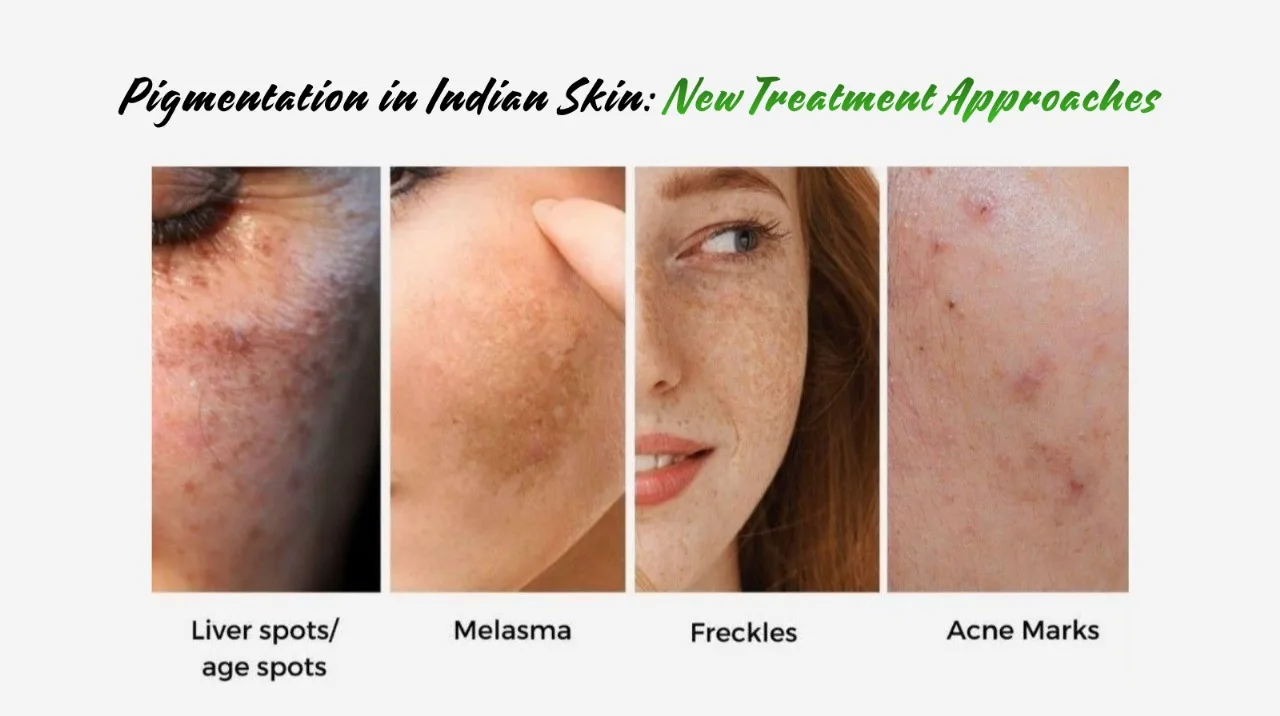
Pigmentation occurs when melanin, the natural pigment in the skin, is produced in excess, resulting in darkened or discoloured patches.
Indian skin (Fitzpatrick skin types IV–V) naturally produces more melanin. While this protects against sun damage, it also makes the skin more reactive to inflammation, hormonal changes, and injury.
This explains why Indian skin:
- Forms dark spots easily
- Takes longer to clear pigmentation
- Is prone to post-inflammatory hyperpigmentation (PIH)
- Can react poorly to harsh or incorrect treatments
Why Indian Skin Is More Prone to Pigmentation

1. High Melanin Activity
Melanocytes in Indian skin are more active. Even minor triggers like acne, waxing, or sun exposure can increase pigment production.
2. Strong Sun Exposure
India receives intense UV radiation throughout the year. Without proper sun protection, UV rays accelerate melanin formation, worsening pigmentation.
3. Hormonal Fluctuations
Conditions such as:
- PCOS
- Pregnancy
- Thyroid disorders
- Stress-related hormonal changes
…can trigger pigmentation, including melasma.
4. Skin Inflammation & Acne
Acne, rashes, burns, or harsh treatments can leave behind post-inflammatory hyperpigmentation (PIH). Picking or scratching worsens the problem.
5. Incorrect Product Usage
Over-the-counter creams, steroid-based products, and strong exfoliants can damage the skin barrier, making pigmentation deeper and more stubborn.
Common Types of Pigmentation in Indian Skin
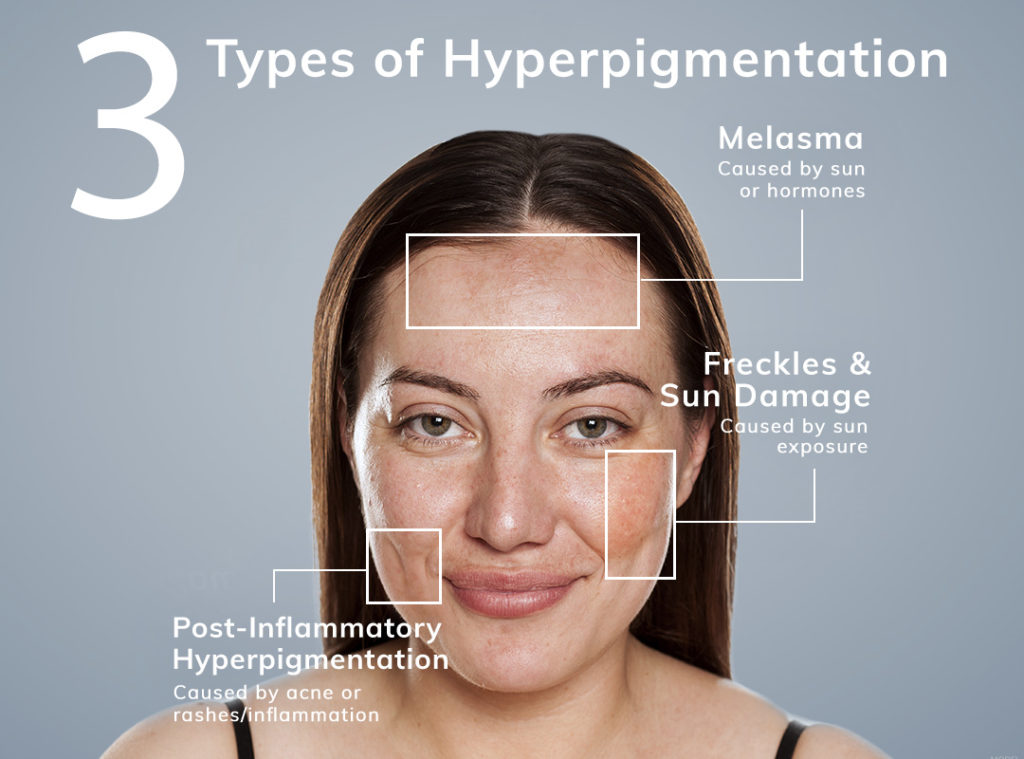
1. Melasma (Chloasma)
- Brown or grey patches, often on cheeks, forehead, and upper lip
- Common among women
- Triggered by hormones and sun exposure
- Chronic in nature and requires personalised treatment
2. Post-Inflammatory Hyperpigmentation (PIH)
- Dark marks following acne, burns, or skin procedures
- Very common in Indian skin
- Picking or using incorrect treatments worsens PIH
3. Sun-Induced Pigmentation
- Tanning or sun spots
- Uneven skin tone
- Often overlooked but becomes long-term if sun protection is neglected
4. Periorbital Pigmentation (Dark Circles)
- Caused by genetics, thin skin, lifestyle stress, or nutritional deficiencies
- Requires medical evaluation rather than just eye creams
5. Freckles & Lentigines
- Small brown spots that increase with age or sun exposure
- Can be genetic or sun-related
Common Myths About Pigmentation
❌ Home remedies remove pigmentation – Ingredients like lemon or turmeric can irritate skin and worsen pigmentation.
❌ Fairness creams are effective – Many contain steroids, which can provide temporary brightness but lead to rebound pigmentation.
❌ Laser works in one session – Pigmentation treatments require multiple, controlled sessions, especially for darker skin tones.
❌ Stopping treatment once skin improves is fine – Pigmentation is chronic. Maintenance is crucial for lasting results.
Why Pigmentation Requires a Clinical Approach
Pigmentation is not merely a surface problem it involves:
- Epidermal or dermal melanin
- Hormonal triggers
- Skin barrier health
- Lifestyle and nutritional factors
At MIDAS Wellness Hub, every pigmentation treatment begins with precise analysis, not assumptions.
How MIDAS Wellness Hub Diagnoses Pigmentation
1. AI-Based Skin Analysis
Our advanced technology helps:
- Detect pigmentation depth
- Identify sun damage and melanin clusters
- Assess skin sensitivity
This ensures that the most suitable treatment is chosen from day one.
2. Detailed Medical Assessment
We review:
- Hormonal history
- Patterns of acne or skin inflammation
- Previous treatments
- Lifestyle and stress factors
3. Personalised Treatment Planning
Each pigmentation case is unique. Treatment is customised based on:
- Skin type
- Pigmentation depth
- Skin tolerance
- Long-term skin health
Best Clinical Solutions for Pigmentation
1. Medical-Grade Chemical Peels
- Remove damaged pigmented layers
- Enhance cell turnover
- Brighten skin tone safely
Key Advantages:
✔ Tailored for Indian skin
✔ Controlled penetration
✔ Minimal downtime
2. Advanced Laser Treatments (USFDA-Approved)
- Break down melanin clusters
- Stimulate skin renewal
- Gradual improvement without skin damage
Key Advantages:
✔ Safe for Indian skin
✔ Gradual, visible results
✔ Performed under medical supervision
3. Q-Switch & Pigmentation-Specific Lasers
- Target stubborn pigmentation, melasma, and deep sun spots
- Work precisely without harming surrounding skin
4. Medifacials & Skin Brightening Therapies
- Improve hydration
- Strengthen the skin barrier
- Enhance glow and clarity
Often combined with lasers or peels for optimal results.
5. Prescription Topical Therapies
- Medical-grade depigmenting agents
- Barrier-repair formulations
- Anti-inflammatory actives
We avoid random creams only evidence-based, skin-safe products are prescribed
6. Internal Support & Supplements
Pigmentation can also be influenced by:
- Nutritional deficiencies
- Oxidative stress
- Hormonal imbalance
- We may recommend:
- Antioxidants
- Skin-support supplements
- Dietary modifications
Sun Protection: Non-Negotiable for Pigmentation
No treatment can succeed without sun protection. At MIDAS Wellness Hub, we educate patients on:
- Correct sunscreen selection
- Proper application techniques
- Reapplication habits
Sun care is essential, especially in Indian climates.
How Long Does Pigmentation Treatment Take?
Results vary based on:
- Type and depth of pigmentation
- Treatment modality
- Skin response
- Consistency and aftercare
Expected Timeline:
- Initial improvement: 3–4 weeks
- Visible clarity: 6–8 weeks
- Long-term control: 3–6 months (with maintenance)
We focus on safe, lasting outcomes rather than quick fixes
Why Pigmentation Recurs & How We Prevent It
Pigmentation can return due to:
- Sun exposure
- Hormonal changes
- Discontinuing maintenance
- Using inappropriate products
At MIDAS Wellness Hub, we:
- Create long-term maintenance plans
- Schedule periodic reviews
- Adjust treatments as skin changes
Conclusion
Pigmentation in Indian skin is a medical concern, not just a cosmetic issue. With accurate diagnosis, advanced technology, and personalised care, pigmentation can be effectively managed and reduced.
At MIDAS Wellness Hub, we focus on safe, scientific, and holistic treatment, ensuring your skin becomes healthier while looking radiant.
If pigmentation is affecting your confidence, it’s time to move beyond home remedies and generic creams and choose a medical approach designed for Indian skin.