
Periods, PMS & Skin: What Really Happens Every Month

23
Nov
Periods, PMS & Skin: What Really Happens Every Month
Most women notice that their skin behaves very differently throughout the month. Some days it looks bright and glowing, some days oily, some days dry, and on certain days, right before the period, it may break out unexpectedly. These shifts are not random. They are the result of a beautifully complex hormonal cycle that affects almost every system in your body, including the skin.
Understanding what happens inside can help you handle the outside better. This blog breaks down your monthly cycle from a functional wellness lens, explaining how each phase affects your skin, mood, cravings, energy and overall wellbeing, and what you can do to balance it.
The Menstrual Cycle: A Hormonal Symphony
A typical menstrual cycle lasts around 28 days, though anything between 26 and 35 days is normal. During this cycle, the levels of estrogen, progesterone, and testosterone rise and fall naturally. These fluctuations influence your skin’s oil production, hydration, sensitivity, and inflammation levels.
There are four major phases:
- 1. Menstrual Phase (Day 1–5)
- 2. Follicular Phase (Day 6–13)
- 3. Ovulation (Day 14)
- 4. Luteal Phase (Day 15–28)
Each phase has a distinct impact on your skin and PMS symptoms.
1. Menstrual Phase (Day 1–5): Reset Mode
When your period begins, all reproductive hormones hit their lowest point. The body is busy shedding the uterine lining. This is why many women experience fatigue, low mood, or heaviness during these days.
What Happens to Your Skin
• Skin may look slightly dull or dehydrated
• Sensitivity increases
• Redness, inflammation or flare-ups are common
• Existing acne may feel painful or irritated
This is because estrogen, which normally keeps skin firm, hydrated, and stable, is at its lowest. Meanwhile, prostaglandins (inflammation chemicals) increase to assist in uterine contractions, but they can trigger skin inflammation too.
What You Can Do
• Use gentle, hydrating skincare
• Avoid exfoliation or actives on Day 1 & 2
• Focus on moisturizers with ceramides or hyaluronic acid
• Drink enough water and consume iron-rich foods to combat fatigue and pale skin tone
• Warm compress and magnesium intake may help reduce cramps and inflammation levels
Periods are a reset for the body. Treat them as slow days for the skin as well.
2. Follicular Phase (Day 6–13): The Glow-Up Phase
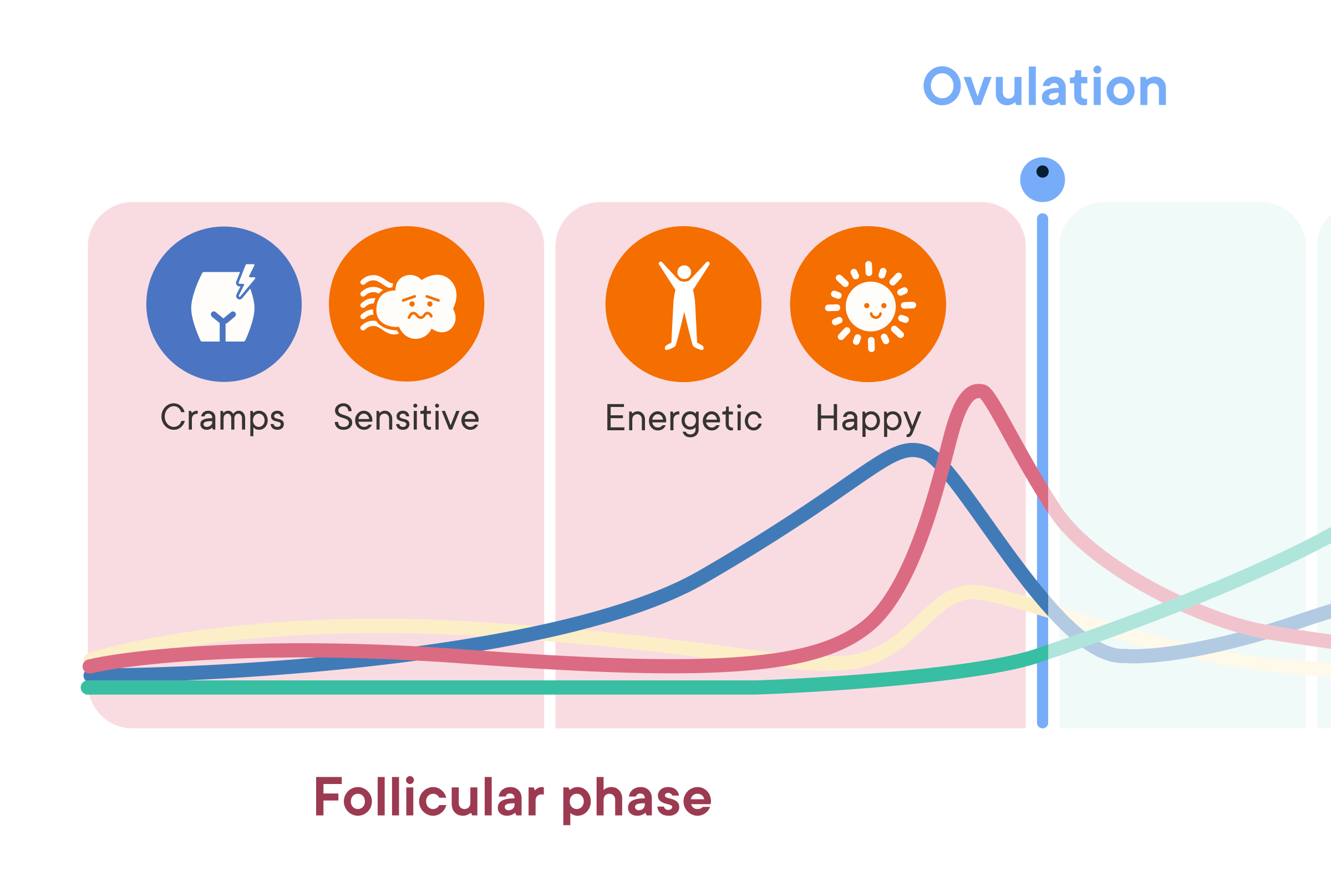
Once the period ends, your hormones begin to rise gradually. This is the phase where women tend to feel more energetic, lighter, and mentally clearer.
What Happens to Your Skin
• Estrogen increases skin hydration
• Collagen production improves
• Pores appear smaller
• Radiance improves
• Breakouts reduce
Estrogen is the skin’s best friend. It keeps oil levels balanced and promotes smoother texture. Most women notice that their skin behaves the best during this phase.
What You Can Do
• Introduce gentle exfoliators or AHAs
• Use antioxidant serums like Vitamin C
• Hydrate well to extend the glow
• Strengthen your barrier with niacinamide if needed
This is the ideal time for treatments like facials, lasers, and peels because the skin is naturally less sensitive.
3. Ovulation (Day 14): The Peak Phase

Around the middle of the cycle, your body prepares for fertility. Estrogen peaks, and testosterone also rises slightly. Many women feel more confident, social, and energized during ovulation.
What Happens to Your Skin
• Natural glow peaks
• Skin looks firm and plump
• Oil levels remain controlled
• Pores look refined
However, the rise in testosterone can trigger: • Tiny whiteheads
• Increased oil around the nose and chin
• Slight forehead congestion
Most women don’t notice this yet, but it marks the beginning of the pre-PMS cycle.
What You Can Do
• Keep up antioxidant and hydrating routine
• Avoid heavy or greasy products
• Light gel moisturizers work best
• Keep pores clean with salicylic acid if prone to breakouts
4. Luteal Phase (Day 15–28): The PMS Storm
This is the phase most women struggle with. After ovulation, the body increases progesterone to prepare for a possible pregnancy. If no pregnancy occurs, progesterone and estrogen drop sharply toward the end of this phase.
These fluctuations trigger classic PMS symptoms: cravings, bloating, irritability, mood swings, anxiety, water retention, breast tenderness, and sleep disturbances.
How the Luteal Phase Affects Skin
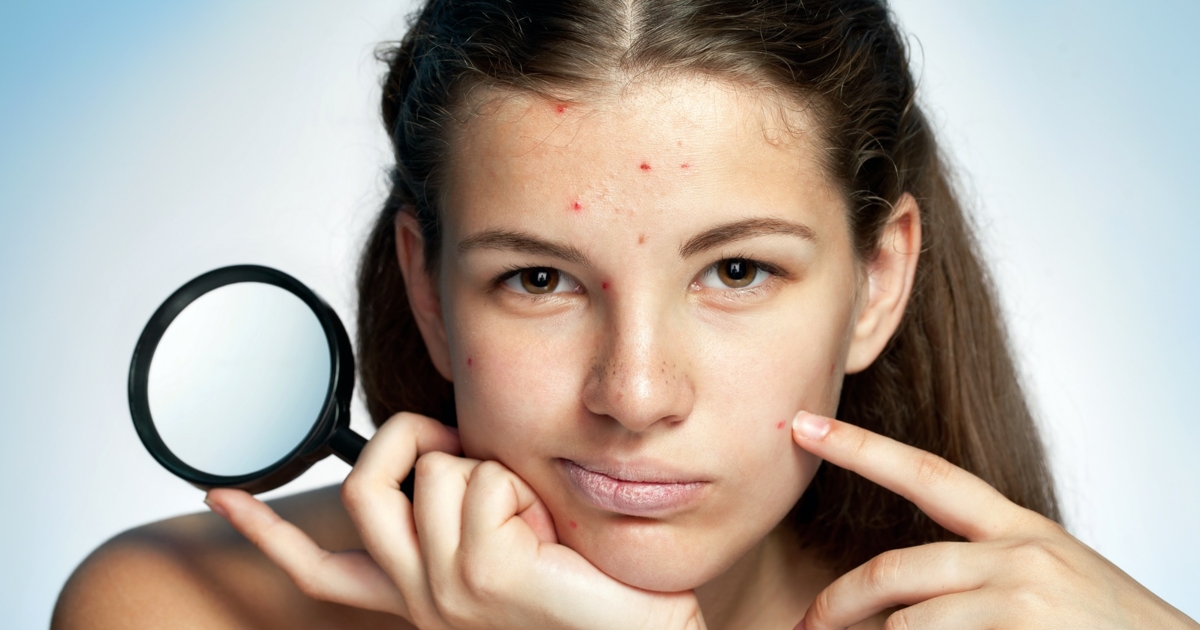
Progesterone is the main culprit behind PMS-related skin concerns: • Increases oil production
• Traps impurities under the skin
• Causes clogged pores and deeper breakouts
• Makes skin more sensitive and reactive
Low estrogen + high progesterone = the perfect setup for PMS acne.
Other skin symptoms during PMS: • Increased redness
• Inflammation
• Fluctuating oil levels
• Dryness around mouth or chin
• Puffiness due to water retention
This is why many women get acne 5–7 days before periods.
What You Can Do
• Use oil-control cleansers with salicylic acid
• Apply spot treatments to control upcoming breakouts
• Keep skincare light and non-comedogenic
• Avoid trying new skincare during this time
• Magnesium, omega-3, and B-vitamins may help reduce PMS intensity
• Reduce sugar and salt to control water retention and inflammation
Balancing your gut health during this phase also reduces PMS symptoms and skin flare-ups.
How PMS Affects Your Mood & Skin Together
Skin and emotions are deeply connected. During PMS: • Serotonin levels drop
• Cortisol increases
• Sleep quality reduces
• Blood sugar fluctuates
These biological changes influence the skin in powerful ways: • High cortisol increases inflammation
• Poor sleep reduces skin repair
• Cravings for sugar and salty foods may worsen acne
• Anxiety can trigger redness or sensitivity
This is why the late luteal phase often feels like the toughest period for both emotional wellbeing and skin stability.
Functional Wellness View: Your Cycle Is a Monthly Report Card

Your monthly symptoms, whether skin dullness, PMS intensity, acne, or mood swings, are not random events. They are feedback signals that tell you how well your hormones, nutrients, liver, gut, and stress levels are functioning.
Patterns to watch: • Severe PMS may indicate magnesium or B-vitamin deficiencies
• Painful acne before periods may suggest high progesterone sensitivity
• Mood swings may reflect low serotonin and gut imbalance
• Dull skin during periods may suggest iron or Omega-3 deficiency
• Water retention may indicate poor sodium-potassium balance
Your cycle is a monthly wellness check-in.
Common Mistakes Women Make With Their Skin During Cycles
1. Switching skincare suddenly when PMS acne starts
2. Over-exfoliating during periods
3. Using heavy products during the luteal phase
4. Ignoring gut health and sugar intake
5. Not tracking cycle-specific skin patterns
Listening to your body will always be more effective than reacting to symptoms.
How to Build a Cycle-Syncing Skincare Routine
Menstrual Phase (Day 1–5)
Focus: Calm & Restore
Products: Hydrating cleansers, moisturizers, ceramides, soothing serums
Follicular Phase (Day 6–13)
Focus: Glow & Strengthen
Products: Vitamin C, niacinamide, AHAs, hydrating serums
Ovulation (Day 14)
Focus: Maintain Glow
Products: Gentle actives, antioxidants, lightweight moisturizers
Luteal Phase (Day 15–28)
Focus: Control Oil & Prevent Breakouts
Products: Salicylic acid, clay masks, spot treatments, non moisturizers
This routine keeps your skin balanced across the entire month.
Lifestyle Tips to Reduce PMS Skin Issues
1. Focus on Anti-Inflammatory Foods
Leafy greens, fatty fish, seeds, nuts, berries, turmeric.
2. Support Your Gut
Probiotics, fermented foods, fiber rich meals.
3. Reduce Sugar & Salt
Minimizes bloating, inflammation, and hormonal flare-ups.
4. Prioritize Sleep
Night-time hormones are responsible for major skin repair.
5. Manage Stress
Breathing exercises, gentle workouts, magnesium, herbal teas.
6. Exercise Regularly
Supports insulin balance and keeps hormones stable.
When PMS Skin Issues Need Attention
If PMS acne, sensitivity, or inflammation is: • Severe
• Painful
• Lasting beyond the luteal phase
• Leaving scars
• Affecting confidence
There may be deeper hormonal or gut imbalances at play. A functional wellness approach can identify the root cause and heal it from within.
Final Thoughts
Your skin tells the story of your hormones every month. Instead of fighting these changes, understanding them helps you manage them better. Once you sync your skincare and lifestyle with your cycle, PMS, acne, and sensitivity become far easier to control.
At Midas Wellness Hub, we believe in listening to the body’s rhythms rather than resisting them. Your monthly cycle is not a problem, it’s a guide. And when you support it with the right care, your skin responds beautifully.