
Perimenopause and Menopause: What Helps and How Diet & Functional Medicine Make a Difference

28
Dec
Perimenopause and Menopause: What Helps and How Diet & Functional Medicine Make a Difference
By Midas Wellness Hub
Menopause is a natural phase of life, yet the transition known as perimenopause can bring a variety of physical, emotional, and hormonal changes that many women find challenging. From hot flashes and mood swings to weight gain and sleep disturbances, these changes can feel overwhelming.
While it is a biological milestone, how you navigate it can make a world of difference. With the right combination of diet, lifestyle, and functional medicine, women can not only manage symptoms effectively but also thrive during this transition.
At Midas Wellness Hub, we emphasise a holistic, personalised approach, focusing on root causes rather than temporary fixes. Understanding your body and supporting it intelligently is the key to navigating perimenopause and menopause with confidence.
/assets/images/provider/photos/2761209.png)
Understanding Perimenopause and Menopause
Before diving into strategies, it is essential to understand what happens during this stage of life:
Perimenopause: This phase usually begins in a woman’s 40s, though it can start earlier. Hormone levels, particularly estrogen and progesterone, fluctuate unpredictably, leading to irregular periods, hot flashes, night sweats, sleep disturbances, mood changes, and other symptoms. Perimenopause can last several years and is often the stage where women first notice noticeable changes in their bodies.
Menopause: Menopause is defined as the absence of menstruation for 12 consecutive months, typically occurring around age 50. At this stage, estrogen and progesterone levels decline more significantly, which can contribute to bone density loss, weight gain, changes in skin and hair, and increased risk of metabolic disorders.
The key takeaway: Menopause is a natural life stage. Symptoms are common, but they are not inevitable. With proper care, lifestyle adjustments, and medical support, women can experience this transition with vitality rather than discomfort.
Common Symptoms Women Experience
Perimenopause and menopause can affect nearly every system in the body. While some women experience minimal symptoms, others may face a combination of challenges:
- Hot flashes and night sweats
- Irregular periods or heavy bleeding
- Mood swings, anxiety, or irritability
- Fatigue and poor sleep quality
- Weight gain, especially around the abdomen
- Vaginal dryness and urinary changes
- Hair thinning or hair loss
- Changes in skin texture and elasticity
These symptoms occur primarily due to hormonal fluctuations, particularly estrogen deficiency, which affects multiple organs and systems. Recognising the root cause is critical for effective management.
Why Diet Plays a Critical Role
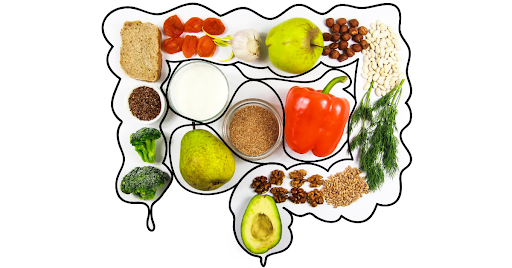
Nutrition is a cornerstone of wellness during perimenopause and menopause. A well-balanced diet helps regulate hormones, maintain weight, support bone health, reduce inflammation, and improve energy levels.
1. Prioritise Whole, Nutrient-Dense Foods
Instead of focusing on restrictive diets, women should emphasise foods that nourish the body and support hormonal balance:
Vegetables and Fruits: High in antioxidants, fiber, and phytonutrients, they reduce oxidative stress and inflammation, which can exacerbate menopausal symptoms. Cruciferous vegetables like broccoli, kale, and cabbage help metabolise estrogen effectively.
Whole Grains: Brown rice, quinoa, oats, and millets stabilise blood sugar and provide sustained energy, reducing mood swings and fatigue.
Lean Proteins: Chicken, fish, eggs, tofu, and legumes help maintain muscle mass, which naturally declines with age. Adequate protein intake is crucial for metabolism and bone strength.
Healthy Fats: Omega-3 fatty acids from fatty fish, flaxseeds, chia seeds, and walnuts reduce inflammation, support heart and brain health, and may decrease the severity of hot flashes.
2. Focus on Bone Health
Estrogen decline during menopause increases the risk of osteoporosis and bone fractures. Nutrition can help mitigate this risk:
Calcium: Essential for bone density; found in dairy products, fortified plant-based milk, almonds, and sesame seeds.
Vitamin D: Supports calcium absorption; obtained through sunlight, fortified foods, or supplements if necessary.
Magnesium and Vitamin K: Important for bone structure; leafy greens, nuts, seeds, and fermented foods are excellent sources.
3. Manage Blood Sugar and Weight
Hormonal fluctuations can slow metabolism and increase fat storage, particularly in the abdominal area. Women can benefit from:
Avoiding refined sugars and processed foods, which spike insulin and promote fat storage
Including fiber-rich foods, which stabilise blood sugar and support gut health
Eating smaller, balanced meals to maintain consistent energy levels
4. Support Gut Health
A healthy gut is essential for hormone metabolism and detoxification:
Probiotics: Yogurt, kefir, and fermented foods support beneficial gut bacteria
Prebiotics: Garlic, onions, asparagus, and leeks feed good bacteria
Adequate hydration is essential for digestion, skin health, and hormone balance
5. Minimise Trigger Foods
Certain foods and beverages can exacerbate symptoms:
Caffeine and alcohol may worsen hot flashes, night sweats, and sleep disturbances
Highly processed foods can increase inflammation, contribute to weight gain, and disrupt gut health
Functional Medicine: The Root-Cause Approach
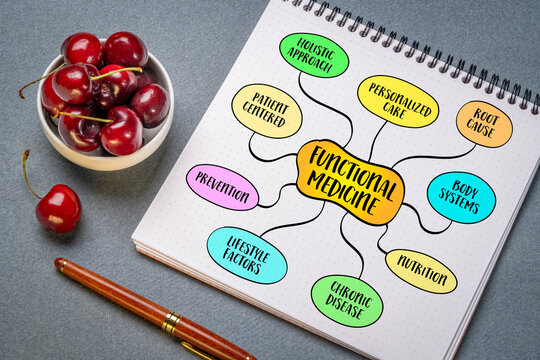
Functional medicine focuses on identifying the underlying causes of symptoms rather than simply treating them superficially. It integrates medical expertise, nutrition, and lifestyle management to provide personalised care.
Why Functional Medicine Works in Menopause
Functional medicine looks at the whole person, assessing:
- Hormonal imbalances
- Nutritional deficiencies
- Metabolic or thyroid dysfunction
- Stress and sleep patterns
- Digestive and liver health
By addressing these root causes, functional medicine helps women experience relief from symptoms while improving overall health.
Key Functional Medicine Interventions

1. Hormone Balancing
- Bioidentical hormone therapy or targeted supplementation under medical supervision
- Support for estrogen, progesterone, thyroid, and adrenal function
- Optimises metabolism, mood, sleep, and skin health
2. Personalised Nutritional Support
- Supplements based on deficiencies (magnesium, vitamin D, B12, omega-3s)
- Herbal adaptogens to support stress management and sleep, e.g., ashwagandha, rhodiola, or holy basil
- Meal planning tailored to metabolic needs and hormonal balance
3. Metabolic and Gut Health Optimisation
Functional labs to assess blood sugar, insulin resistance, and digestive function
Diet adjustments to improve hormone detoxification, insulin sensitivity, and gut microbiome diversity
4. Lifestyle and Stress Management
Yoga, meditation, and mindful breathing techniques to regulate cortisol and improve mood
Resistance and weight-bearing exercises to maintain muscle and bone density
Structured sleep routines to support hormonal balance
Lifestyle Habits That Enhance Menopause Wellness

Alongside diet and functional medicine, lifestyle choices can dramatically influence how smoothly perimenopause and menopause unfold.
1. Exercise Regularly
- Cardiovascular training supports heart health and energy levels
- Strength training preserves muscle mass, improves metabolism, and supports bone density
- Flexibility and balance exercises reduce the risk of falls and improve posture
2. Prioritise Sleep
- Aim for 7–9 hours per night
- Maintain a consistent sleep-wake schedule
- Limit screen exposure before bed
- Create a calming bedtime routine
3. Manage Stress
- Chronic stress worsens menopause symptoms and increases inflammation. Effective strategies include:
- Meditation and mindfulness practices
- Journaling to process emotions
- Gentle yoga or tai chi for both mind and body
- Deep breathing exercises to calm the nervous system
4. Hydration and Detoxification
- Adequate water intake supports digestion, skin health, and hormonal balance
- Limit sugary beverages, alcohol, and caffeinated drinks that may dehydrate or trigger symptoms
Common Misconceptions About Menopause
“Menopause means weight gain is inevitable.”
Weight changes can be managed with diet, exercise, and hormone support.
“Hot flashes can’t be reduced naturally.”
Many women find relief with lifestyle adjustments, dietary changes, and functional medicine interventions.
“Supplements and hormone therapy are unsafe.”
When prescribed and monitored by medical professionals, targeted supplementation and hormone therapy are safe and effective.
Understanding these myths helps women make informed choices and reduces unnecessary anxiety during the transition.
Personalised Care: Why One Size Doesn’t Fit All

Every woman experiences perimenopause and menopause differently. Factors such as genetics, lifestyle, diet, stress levels, and pre-existing health conditions influence symptoms and severity.
At Midas Wellness Hub, we emphasise personalised care:
- Detailed medical history and symptom assessment
- Advanced functional testing to identify deficiencies and hormonal imbalances
- Tailored nutrition and supplementation plans
- Evidence-based treatments for symptoms such as hot flashes, sleep disturbances, and skin changes
By focusing on individual needs rather than generic solutions, we help women regain control over their health and well-being.
Your New Year Resolution: Invest in Yourself
Rather than vague resolutions, make a commitment this year to understand and support your body. Menopause is not a limitation it is a new chapter. By integrating diet, lifestyle changes, and functional medicine, women can experience:
- Reduced hot flashes and night sweats
- Stable mood and emotional well-being
- Healthy weight management
- Strong bones and heart health
- Increased energy and vitality
This holistic approach ensures that the transition is not just manageable but empowering.
Conclusion: Thrive Through Perimenopause and Menopause
Perimenopause and menopause are natural life stages, but with the right strategies, women can navigate them with confidence and ease.
Key takeaways:
1. Diet Matters: Nutrient-dense, balanced meals reduce inflammation, stabilise hormones, and support bone and metabolic health.
2. Functional Medicine Provides Answers: Personalised interventions address the root causes of symptoms.
3. Lifestyle Changes Are Essential: Exercise, sleep, stress management, and hydration all influence how smoothly the transition unfolds.
4. Personalised Care Works Best: Every woman’s journey is unique tailored plans provide the most effective outcomes.
At Midas Wellness Hub, we guide women through this transition with medical expertise, functional nutrition, and holistic wellness strategies. Menopause does not have to be a period of discomfort or decline it can be a time of strength, self-awareness, and optimal health.
Your body will thank you when you listen, nourish, and support it. Your future self will thank you when you take action today.