
Iron Deficiency in Indian Women: Symptoms Often Ignored

30
Dec
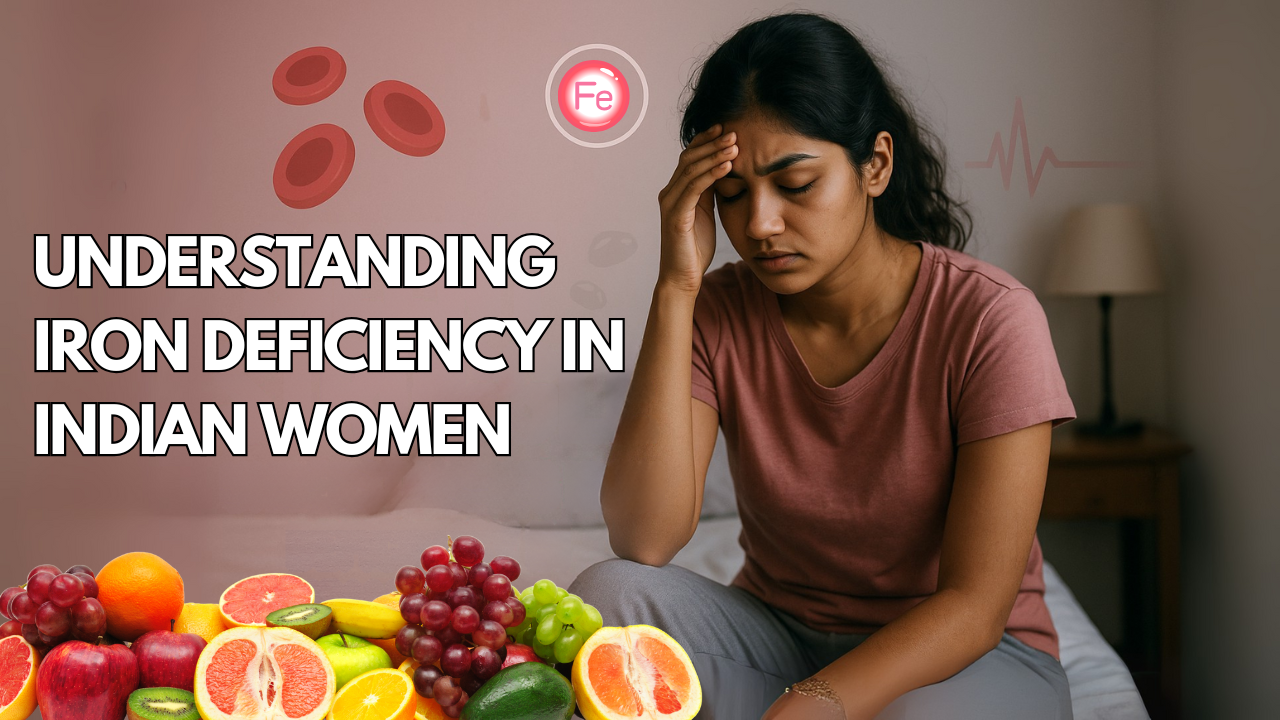
Iron Deficiency in Indian Women: Symptoms Often Ignored
At Midas Wellness Hub, we meet countless women who describe feeling constantly tired, mentally drained, emotionally low, and physically weak. Many believe this is simply the result of a busy lifestyle, stress, or aging. In reality, a very common yet often overlooked cause lies beneath these symptoms, iron deficiency.
Iron deficiency is one of the most widespread nutritional deficiencies in India, particularly among women. Despite its prevalence, it frequently goes undiagnosed because the symptoms are subtle, gradual, and often normalized. Fatigue, hair fall, poor concentration, breathlessness, and frequent illness are dismissed as “normal,” delaying timely diagnosis and treatment.
Iron is essential not only for hemoglobin production but also for energy metabolism, immunity, hormonal balance, brain function, and overall vitality. When iron levels are low, the body struggles to function optimally long before anemia is officially diagnosed.
This blog aims to shed light on why iron deficiency is so common in Indian women, the symptoms that are often ignored, and how a root-cause, functional medicine approach at Midas Wellness Hub can help restore health and energy effectively.
Why Iron Deficiency Is So Common in Indian Women
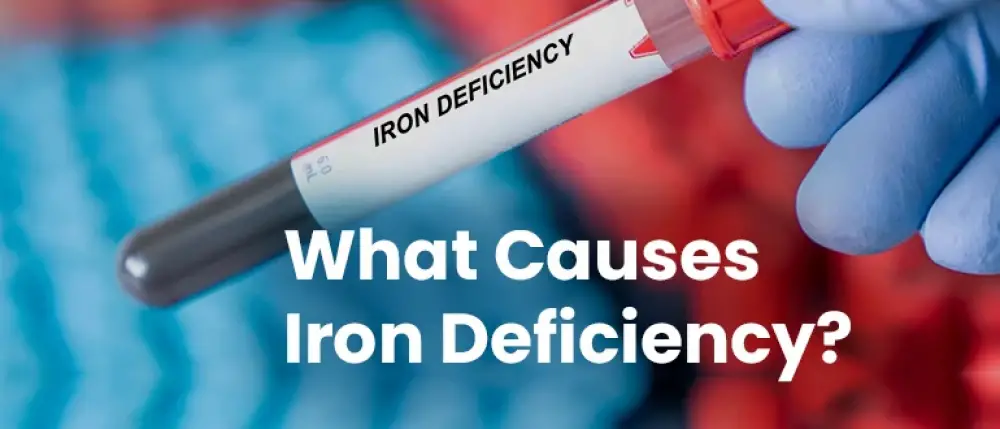
Iron deficiency in Indian women is not caused by a single factor. It is the result of a complex interaction between biology, diet, lifestyle, and health awareness.
- Menstrual Blood Loss
Every menstrual cycle results in iron loss. Women with heavy, prolonged, or irregular periods lose significantly more iron each month. Over time, if iron intake and absorption do not compensate for this loss, iron stores begin to decline silently.
- Dietary Patterns
A large proportion of Indian women follow vegetarian or predominantly plant-based diets. While these diets offer many benefits, plant-based iron is absorbed less efficiently than iron from animal sources.
Additionally, certain common dietary habits further reduce absorption:
- Regular consumption of tea or coffee with meals
- High intake of grains and legumes without proper soaking or preparation
- Low intake of vitamin C-rich foods
As a result, even women who eat “healthy” diets may still be iron deficient.
- Pregnancy and Breastfeeding
Iron requirements increase significantly during pregnancy to support maternal blood volume expansion and fetal development. Without adequate monitoring and personalized supplementation, iron stores can become severely depleted. Breastfeeding further increases nutritional demands.
- Gut Health and Absorption Issues
Iron absorption depends heavily on gut health. Conditions such as low stomach acid, chronic digestive issues, bloating, IBS, food intolerances, inflammation, or celiac disease can impair absorption. In such cases, iron deficiency may persist despite adequate intake.
- Chronic Stress and Lifestyle Factors
Chronic stress, irregular meals, sleep deprivation, and high caffeine intake affect digestion, nutrient absorption, and hormonal balance, indirectly contributing to iron deficiency.
- Ignoring Early Warning Signs
Perhaps the most significant reason iron deficiency remains untreated is that early symptoms are normalized. Women often prioritize family and work over their own health, delaying care until symptoms become severe.
Symptoms of Iron Deficiency That Are Often Ignored
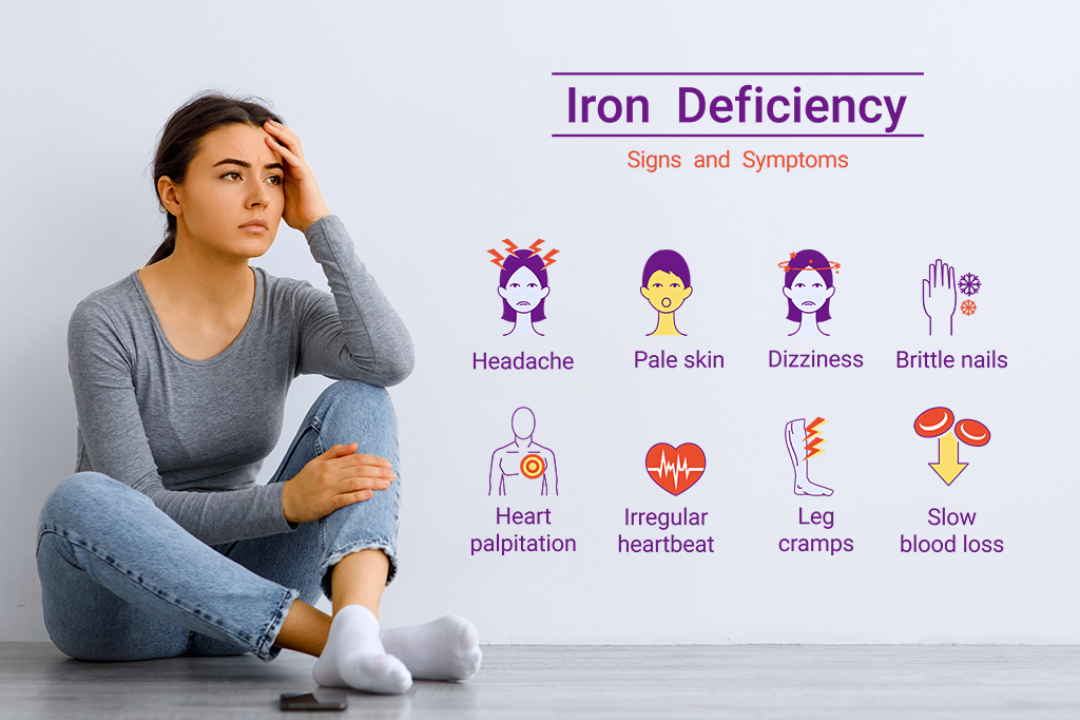
Iron deficiency develops gradually. The body adapts initially, masking symptoms until iron stores are significantly depleted.
- Persistent Fatigue and Low Energy
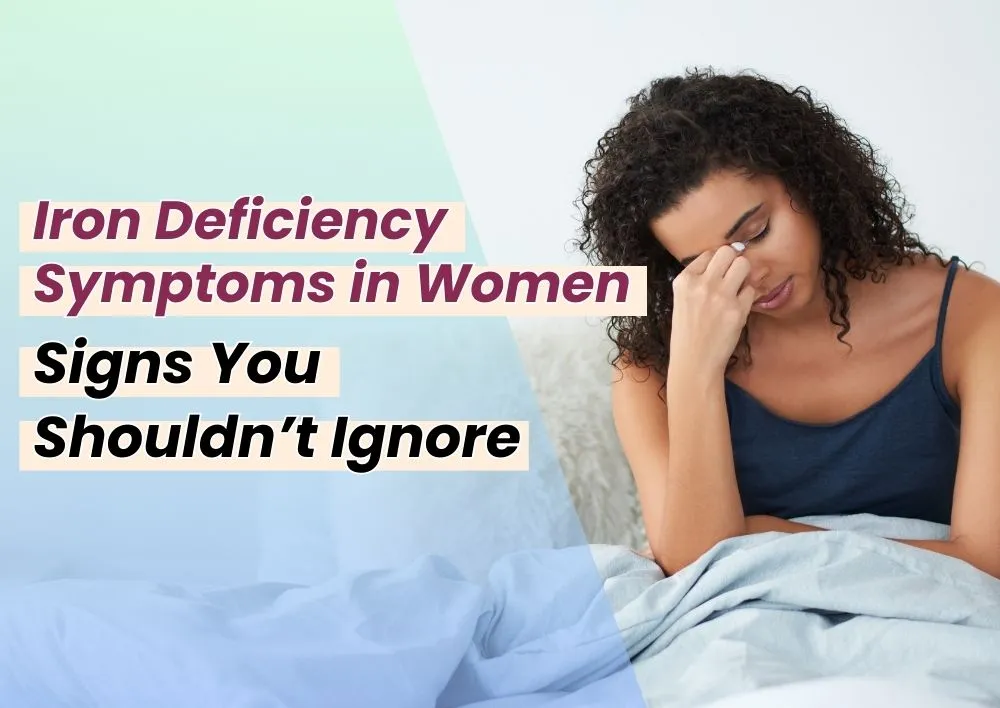
One of the earliest and most common symptoms is fatigue that does not improve with rest. Women often describe feeling “drained” or “heavy,” struggling to get through daily tasks despite adequate sleep.
- Hair Fall and Hair Thinning
Iron plays a vital role in hair follicle growth. Low iron levels commonly lead to increased hair shedding, thinning hair, reduced hair density, and slow regrowth. Hair fall is often attributed to stress or hormonal changes, while iron deficiency goes unnoticed.
- Breathlessness and Palpitations
Low iron levels reduce oxygen delivery to tissues, leading to breathlessness during mild activity, climbing stairs, or walking short distances. Some women experience palpitations or a racing heartbeat.
- Pale or Dull Skin and Dark Circles
Reduced hemoglobin affects skin tone, making it appear pale, dull, or lifeless. Dark circles may become more prominent due to reduced oxygenation and poor circulation.
- Frequent Infections and Slow Recovery
Iron is essential for immune function. Deficiency weakens immunity, increasing susceptibility to infections and prolonging recovery time.
- Poor Concentration and Brain Fog
Iron deficiency affects brain oxygenation and neurotransmitter function. Many women experience difficulty focusing, forgetfulness, mental fatigue, and reduced productivity.
- Cold Hands and Feet
Poor circulation and reduced oxygen supply can cause persistent coldness in extremities, even in warm weather.
- Brittle Nails and Skin Changes
Nails may become weak, brittle, or cracked. Skin may appear dry and lack elasticity.
- Mood Changes and Emotional Low
Low iron levels are associated with irritability, low mood, anxiety-like symptoms, and reduced motivation. Emotional well-being is often affected before physical symptoms become severe.
Why Iron Deficiency Is Often Missed in Routine Care
Many women are told their blood reports are “normal” because hemoglobin levels fall within reference ranges. However, iron deficiency begins long before hemoglobin drops.
Iron stores deplete silently, affecting energy, immunity, and hormones while routine tests fail to detect the issue. By the time anemia is diagnosed, deficiency is often advanced and takes longer to correct.
At Midas Wellness Hub, we emphasize early identification to prevent progression and long-term complications.
Why Iron Supplements Alone May Not Work
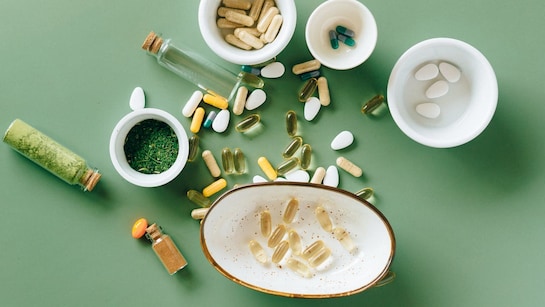
It is common for women to take iron supplements without improvement or experience side effects such as constipation, nausea, or bloating. This happens because iron deficiency is rarely just a supplementation issue.
Common reasons include:
- Poor absorption due to gut inflammation or digestive issues
- Incorrect timing of supplements with tea, coffee, or calcium
- Inappropriate form or dosage of iron
- Ongoing blood loss due to heavy periods
- Underlying hormonal or metabolic imbalances
Without addressing these factors, iron levels remain low despite supplementation.
The Midas Wellness Hub Approach to Iron Deficiency
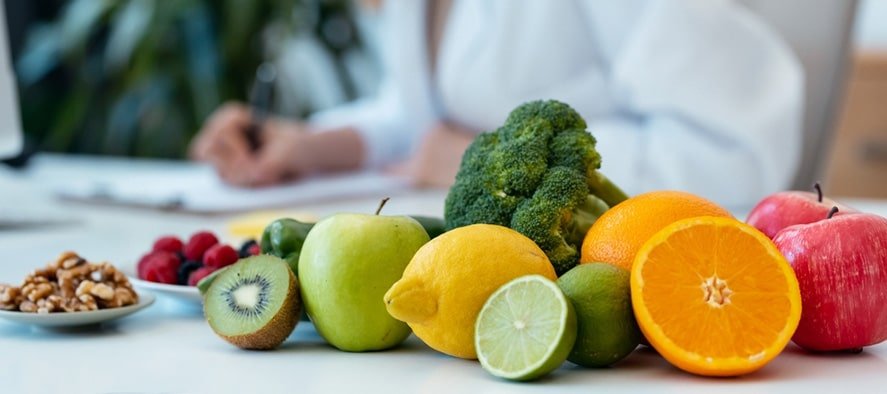
At Midas Wellness Hub, we follow a functional and integrative approach that focuses on identifying and correcting the root cause rather than temporarily correcting numbers.
- Comprehensive Evaluation
We assess iron status beyond basic parameters, evaluating iron stores, absorption capacity, inflammation markers, and overall metabolic health. This allows us to understand why deficiency has developed.
- Supporting Gut Health and Absorption
Improving digestion and absorption is a key part of treatment. Supporting gut health, reducing inflammation, and optimizing nutrient interactions help the body utilize iron effectively.
- Personalized Nutrition Guidance
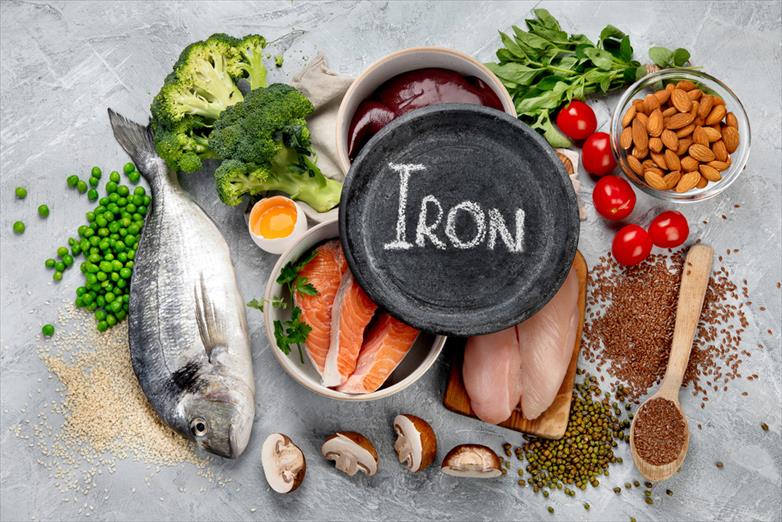
We recommend iron-rich foods suitable for Indian diets while educating patients on food combinations that enhance absorption and habits that reduce it.
- Addressing Hormonal and Menstrual Health
Heavy periods, PCOS, thyroid imbalance, and perimenopause are addressed alongside iron correction to prevent recurring deficiency.
- Targeted Supplementation
Iron supplementation is personalized, selecting the most suitable form and dosage to ensure effectiveness while minimizing side effects.
Iron Deficiency Across Different Life Stages
Teenage girls are vulnerable due to growth spurts and the onset of menstruation.
Working women often experience deficiency due to stress, irregular eating patterns, and caffeine intake.
During pregnancy, iron deficiency affects both maternal health and fetal development.
During perimenopause and menopause, iron requirements fluctuate, making monitoring equally important.
When Should You Consider Testing?
You should consider evaluation if you experience:
- Persistent fatigue or weakness
- Excessive hair fall
- Heavy or irregular periods
- Breathlessness or palpitations
- Frequent infections
- Low energy despite supplementation
Early assessment enables timely correction and long-term prevention.
Final Thoughts
Iron deficiency in Indian women is extremely common, yet it is often misunderstood, underestimated, and ignored. It impacts not just physical health, but emotional balance, cognitive function, immunity, and quality of life.
At Midas Wellness Hub, we believe that women deserve to feel energetic, focused, and resilient at every stage of life. By listening to the body, identifying root causes, and providing personalized, science-backed care, iron deficiency can be corrected effectively and sustainably.
Feeling tired may be common, living depleted is not.