

Hypothyroidism Explained: Why Your Metabolism Slows Down & How to Fix It

18
Dec
Hypothyroidism Explained: Why Your Metabolism Slows Down & How to Fix It
Hypothyroidism is one of the most common yet misunderstood hormonal disorders today. Often called a “silent condition,” it develops gradually and its symptoms are frequently mistaken for stress, aging, or lifestyle-related fatigue. In reality, hypothyroidism affects almost every system in the body, from metabolism and weight to skin, hair, digestion, and mental health.
With increasing cases worldwide, especially among women, understanding hypothyroidism is essential for early detection, effective management, and long-term well-being.

What Is Hypothyroidism?
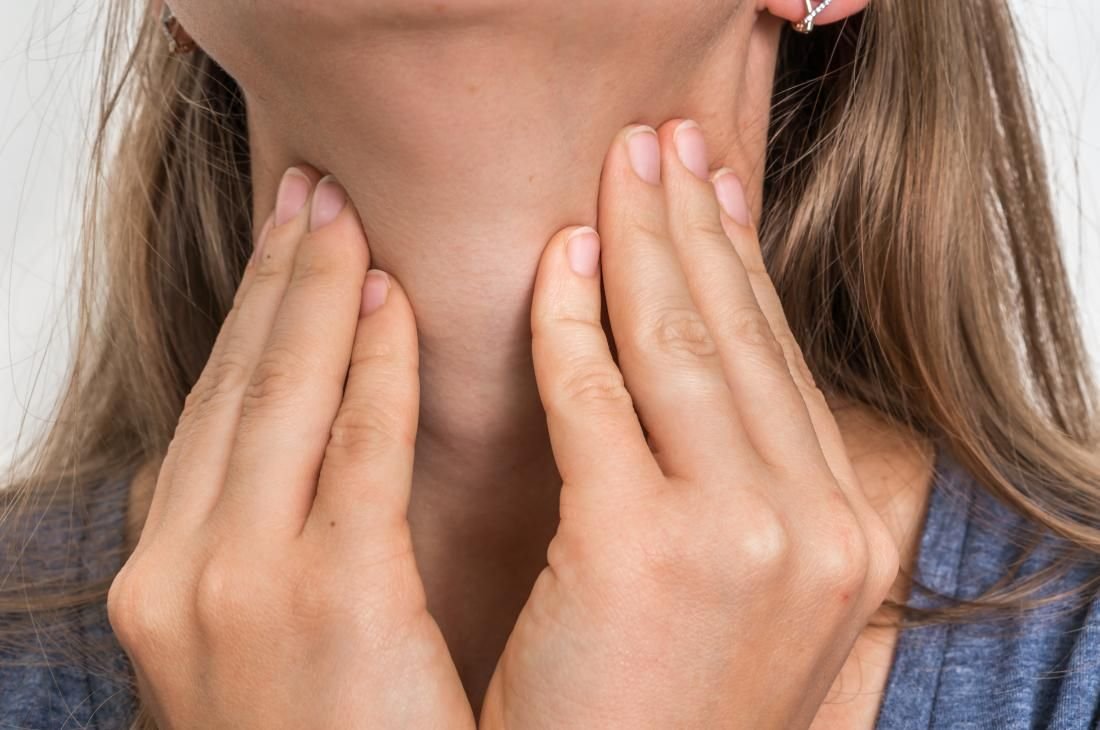
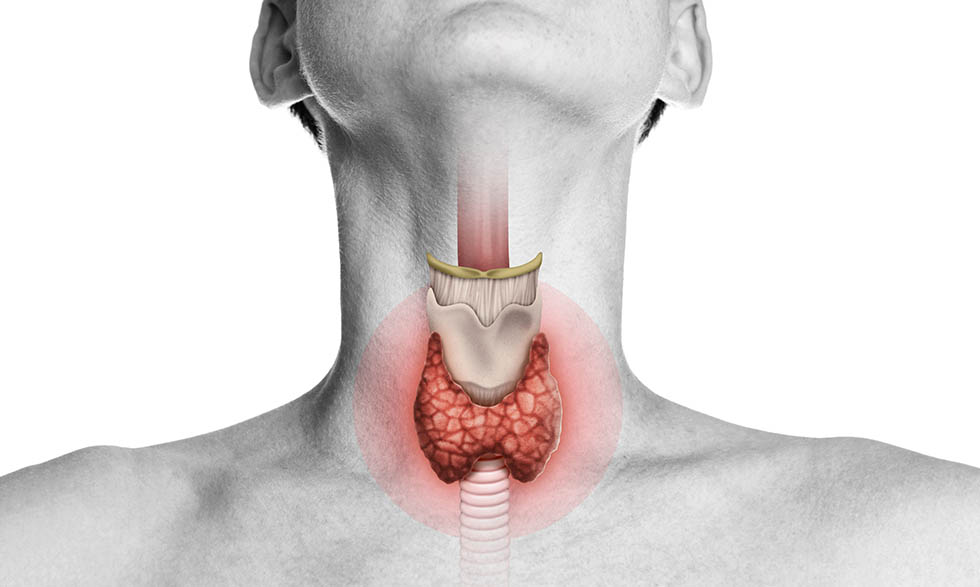
Hypothyroidism is a condition in which the thyroid gland does not produce enough thyroid hormones to meet the body’s needs. The thyroid gland, a small butterfly-shaped organ located in the neck, plays a crucial role in regulating metabolism, energy production, body temperature, and hormonal balance.
Thyroid hormones, primarily T3 (triiodothyronine) and T4 (thyroxine), control how quickly the body uses energy. When these hormone levels are low, bodily functions slow down, leading to a wide range of symptoms.
Why the Thyroid Gland Is So Important
The thyroid gland influences:
- Metabolism and calorie burning
- Heart rate and blood pressure
- Body temperature
- Digestion
- Menstrual cycle and fertility
- Brain function and mood
- Skin, hair, and nail health
Because thyroid hormones affect almost every cell in the body, even a small imbalance can create noticeable health issues.
Causes of Hypothyroidism
1. Autoimmune Disorders (Hashimoto’s Thyroiditis)
The most common cause of hypothyroidism is Hashimoto’s thyroiditis, an autoimmune condition in which the immune system mistakenly attacks the thyroid gland, reducing its ability to produce hormones.
2. Iodine Deficiency
Iodine is essential for thyroid hormone production. Inadequate iodine intake can impair hormone synthesis, though this is less common in areas where iodized salt is used.
3. Hormonal Imbalance and Stress
Chronic stress increases cortisol levels, which can interfere with thyroid hormone production and conversion, worsening symptoms.
4. Certain Medications and Treatments
Some medications, radiation therapy, or surgical removal of the thyroid can lead to hypothyroidism.
5. Postpartum Thyroid Changes
Some women develop thyroid dysfunction after pregnancy due to hormonal shifts and immune system changes.
Common Symptoms of Hypothyroidism
Symptoms often develop slowly and vary from person to person.
- Physical Symptoms
- Unexplained weight gain
- Persistent fatigue and low energy
- Cold intolerance
- Dry, rough skin
- Hair thinning or hair fall
- Puffy face and swelling
- Constipation
- Slow heart rate
- Mental and Emotional Symptoms
- Depression or low mood
- Brain fog and poor concentration
- Memory issues
- Reduced motivation
- Hormonal and Reproductive Symptoms
- Irregular or heavy menstrual cycles
- Difficulty conceiving
- Reduced libido
- Because these symptoms overlap with many lifestyle-related issues, hypothyroidism often goes undiagnosed for years.
- Hypothyroidism and Weight Gain
One of the most frustrating aspects of hypothyroidism is weight gain. A slow metabolism means the body burns fewer calories at rest, making weight loss difficult even with diet and exercise.
Additionally:
- Fluid retention increases body weight
- Fat storage becomes more efficient
- Muscle mass may reduce
- This is why many people with hypothyroidism struggle to lose weight despite sincere efforts.
- Effects of Hypothyroidism on Skin and Hair
- Thyroid hormones are essential for healthy cell turnover.
- Skin changes include:
- Dryness and rough texture
- Pale or dull complexion
- Increased sensitivity
- Hair-related issues include:
- Excessive hair fall
- Thinning scalp hair
- Dry, brittle hair
- Loss of eyebrow hair
- These external signs often serve as early indicators of an underlying thyroid issue.
- Hypothyroidism and Mental Health
- Low thyroid hormone levels affect brain chemistry, leading to:
- Depression
- Anxiety
- Mood swings
- Reduced cognitive function
- Many individuals are treated for mental health concerns without realizing that thyroid imbalance may be the root cause.
- Diagnosis of Hypothyroidism
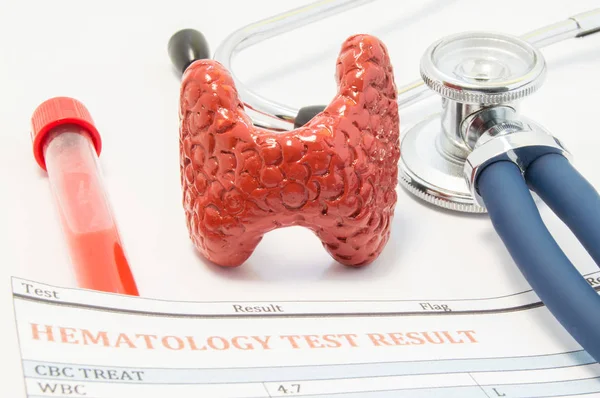
- Hypothyroidism is diagnosed through blood tests that measure:
- TSH (Thyroid Stimulating Hormone)
- T3 and T4 levels
- An elevated TSH with low T3/T4 indicates hypothyroidism. Early diagnosis allows for better symptom management and prevents complications.
Managing Hypothyroidism: A Holistic Approach

1. Medical Management
Thyroid hormone replacement therapy helps restore normal hormone levels. Regular monitoring is essential to ensure the correct dosage.
2. Role of Diet in Hypothyroidism
Diet plays a supportive role in managing symptoms and improving overall health.
Helpful dietary practices:
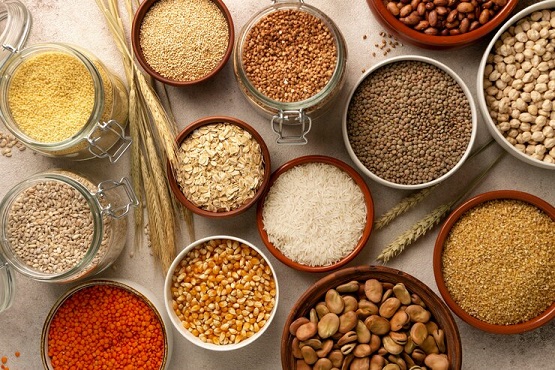
- Adequate protein intake to support metabolism
- Selenium-rich foods for thyroid function
- Zinc and iron for hormone conversion
- High-fiber foods to improve digestion
Avoid excessive processed foods and refined sugar, which worsen inflammation and fatigue.
3. Exercise and Hypothyroidism
While fatigue may make exercise challenging, regular physical activity is crucial.
Benefits of exercise include:
- Improved metabolism
- Better energy levels
- Reduced stress
- Support for weight management
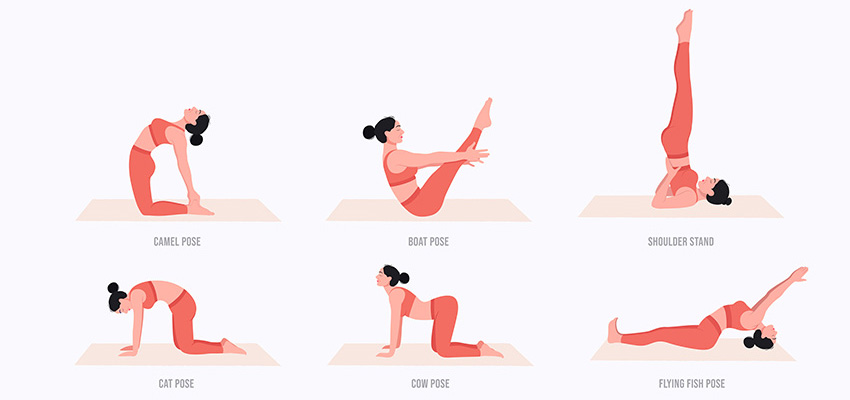
- Low-impact exercises such as walking, yoga, swimming, and strength training are especially beneficial.

4. Stress Management
Chronic stress worsens hypothyroid symptoms by disrupting hormone balance. Practices like meditation, breathing exercises, and adequate sleep play a vital role in recovery.
Lifestyle Changes That Support Thyroid Health
- Maintain consistent sleep patterns
- Avoid extreme calorie restriction
- Stay hydrated
- Reduce caffeine dependency
- Follow a balanced routine
- Small lifestyle changes can significantly improve symptom control and quality of life.
Hypothyroidism and Women’s Health
Women are more prone to hypothyroidism due to hormonal fluctuations during puberty, pregnancy, and menopause. Untreated hypothyroidism can impact fertility, pregnancy outcomes, and menstrual health, making early diagnosis essential.
When Diet and Exercise Are Not Enough
Despite proper medication, diet, and exercise, some individuals experience stubborn symptoms such as weight retention, fatigue, or body composition issues. In such cases, professional guidance and supportive wellness treatments may help enhance overall results when combined with medical care.
Myths About Hypothyroidism
- Hypothyroidism always causes extreme weight gain
- Only older people get thyroid disorders
- Medication alone is enough
- Exercise should be avoided
Understanding the truth helps people manage the condition more effectively.
Conclusion
Hypothyroidism is a manageable condition when diagnosed early and treated correctly. While it may slow metabolism and affect energy, skin, hair, and mental health, a balanced approach combining medical treatment, proper nutrition, exercise, and lifestyle management can restore vitality and well-being.
Instead of ignoring symptoms or blaming yourself for unexplained changes, listen to your body. Awareness, consistency, and professional support are the keys to living a healthy and confident life with hypothyroidism. For Consultation Book Your Appointment At Midas Wellness Hub