

How to Remove Pigmentation from Face Permanently in Mumbai

21
Jan
How to Remove Pigmentation from Face Permanently in Mumbai
Facial pigmentation is one of the most common skin concerns seen across all age groups. Dark patches, uneven skin tone, and stubborn marks can make the skin appear dull, tired, and older than it really is. Over time, this can affect confidence and how comfortable you feel in your own skin. Pigmentation can develop due to multiple reasons such as sun exposure, hormonal changes, acne marks, aging, or even genetic factors.
At Midas Wellness Hub, we believe that pigmentation should not be treated with a one-size-fits-all approach. Instead, we focus on understanding why pigmentation has occurred and then treating it with the right combination of advanced treatments and long-term skin care strategies. This guide will help you understand how pigmentation can be effectively reduced and how results can be maintained for the long term.
What Is Facial Pigmentation?
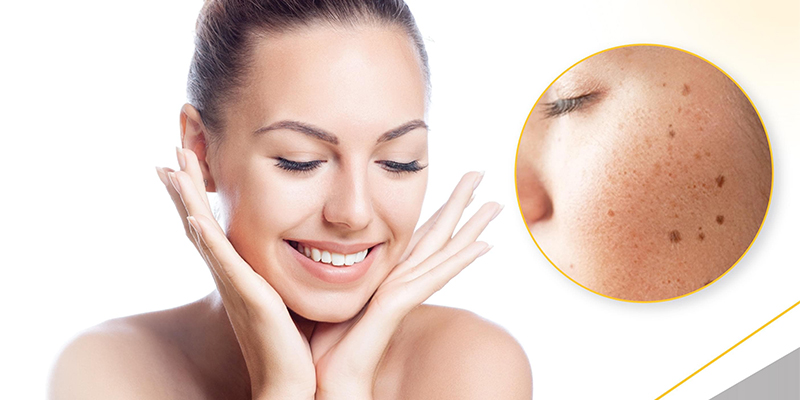
Facial pigmentation occurs when the skin produces excess melanin, the natural pigment that gives skin its color. When melanin production becomes uneven, it starts to accumulate in certain areas, leading to dark spots, patches, or an uneven complexion.
Common Types of Facial Pigmentation
- Melasma
Appears as brown or grey patches, commonly linked to hormonal changes such as pregnancy or hormonal imbalance. - Sunspots (Age Spots)
Developed due to prolonged exposure to the sun over the years. - Post-Inflammatory Hyperpigmentation (PIH)
Dark marks left behind after acne, cuts, burns, or skin irritation. - Freckles
Small pigmented spots that become darker with sun exposure. - Lentigines
Persistent dark spots that usually appear with aging and do not fade easily.
What Causes Pigmentation on the Face?

Understanding the cause of pigmentation is the most important step toward achieving long-lasting results.
1. Sun Exposure
Ultraviolet rays stimulate melanin production. Repeated sun exposure without protection is one of the biggest triggers for facial pigmentation.
2. Hormonal Changes
Pregnancy, birth control pills, thyroid imbalance, and other hormonal fluctuations can lead to melasma and uneven skin tone.
3. Acne and Skin Inflammation
Any form of skin injury or inflammation can leave behind dark marks once the skin heals.
4. Aging
As we age, the skin’s natural renewal process slows down, allowing pigment to build up over time.
5. Genetics
Some people are naturally more prone to pigmentation due to their genetic makeup.
6. Lifestyle Factors
Stress, smoking, lack of sleep, poor diet, and certain medications can worsen pigmentation and slow skin healing.
Can Pigmentation Be Removed Permanently?
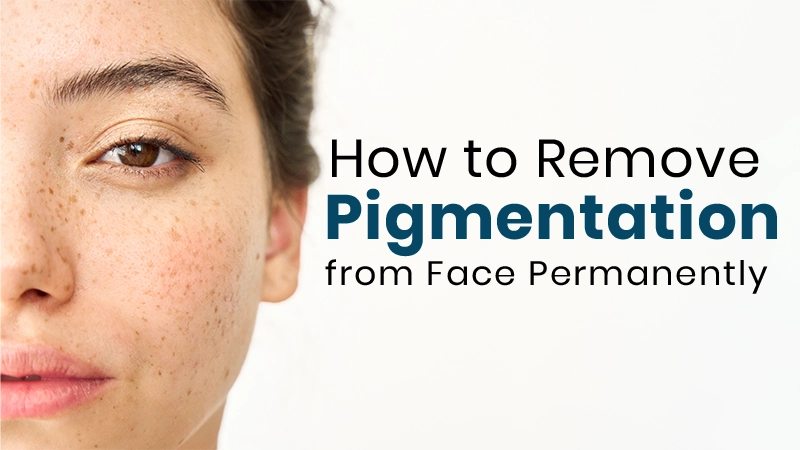
Pigmentation can be significantly reduced and controlled long-term with the right approach. While no treatment can completely prevent new pigmentation from ever forming, modern skin treatments combined with proper home care and sun protection can deliver long-lasting results.
At Midas Wellness Hub, the focus is on long-term pigment control, not just short-term lightening. The goal is to reduce existing pigmentation and prevent it from returning.
Step-by-Step Approach to Pigmentation Removal
1. Detailed Skin Assessment
Every individual’s skin is unique. Before starting treatment, a detailed evaluation is done to understand:
- Skin type and sensitivity
- Depth and type of pigmentation
- Possible triggers
- A personalized treatment plan
This ensures that the treatment is both safe and effective.
2. Advanced Treatment Options
A. Laser Treatment for Pigmentation
Laser technology works by breaking down excess melanin into tiny particles, which the body then clears naturally.
Common laser options include:
- Q-Switched Nd:YAG Laser
- Fractional Laser Treatments
- Intense Pulsed Light (IPL)
Benefits include:
- Targets deep and stubborn pigmentation
- Improves overall skin tone and texture
- Minimal downtime
- Visible improvement over a few sessions
These treatments are especially helpful for melasma, sunspots, and long-standing pigmentation.
B. Chemical Peels
Chemical peels gently remove pigmented layers of skin and encourage fresh, new skin to emerge.
Commonly used peels include:
- Glycolic Acid Peel
- Salicylic Acid Peel
- Trichloroacetic Acid (TCA) Peel
Benefits:
- Lightens pigmentation
- Improves acne marks
- Enhances skin brightness and glow
Peels are always customized based on skin type and pigmentation severity.
C. Microdermabrasion
This is a gentle exfoliation treatment that removes surface-level pigmentation and helps improve skin texture and radiance.
Best suited for mild pigmentation and dull-looking skin.
D. Medical-Grade Topical Treatments
Topical care plays a major role in maintaining results and preventing recurrence.
Key ingredients often recommended include:
- Hydroquinone
- Tretinoin (Retinoids)
- Azelaic Acid
- Vitamin C
- Kojic Acid
- Niacinamide
These ingredients help reduce melanin production and support healthy skin renewal.
E. Combination Therapy
The most effective and long-lasting results usually come from combining treatments, such as:
- Laser treatments with topical care
- Chemical peels along with medicated creams
- IPL combined with strict sun protection
This approach reduces the chances of pigmentation returning and improves overall skin quality.
3. Sun Protection Is Non-Negotiable
- Sun exposure is the biggest reason pigmentation comes back.
- Daily Sun Protection Guidelines
- Use a broad-spectrum sunscreen with SPF 50+
- Reapply every 2–3 hours when outdoors
- Wear sunglasses, hats, or protective clothing
- Avoid direct sun exposure during peak hours
Without proper sun protection, even the best treatments may not give lasting results.
4. Lifestyle Changes for Lasting Results
- Balanced Diet
Eating antioxidant-rich foods such as fruits, vegetables, nuts, and omega-3 fatty acids supports skin repair.
- Hydration
Drinking enough water helps maintain healthy skin and improves healing.
- Avoid Skin Picking
Picking acne or scabs increases inflammation and worsens pigmentation.
- Hormonal Balance
If melasma is linked to hormones, addressing the underlying imbalance is essential for long-term improvement.
Expected Results and Realistic Outcomes
Pigmentation improvement depends on:
Type and depth of pigmentation
- Individual skin tone
- Consistency of treatment
- Regular sun protection
Most people notice 60–90% improvement, which can be maintained for years with proper care.
Sample Treatment Plans
Mild Pigmentation
- 4–6 sessions of chemical peels
- Pigmentation-control topical creams
- Daily sunscreen use
Moderate Pigmentation
- Laser or IPL sessions
- Brightening and renewal creams
- Strict sun protection
Severe Melasma
- Combination of laser and peel treatments
- Hormonal evaluation if needed
- Ongoing maintenance sessions
All treatment plans at Midas Wellness Hub are personalized based on individual skin needs.
Common Pigmentation Myths
Myth: Home remedies can permanently remove pigmentation
Fact: Home remedies may offer temporary brightness but do not treat deep pigmentation.
Myth: Sunscreen is only needed outdoors
Fact: UV rays can penetrate clouds and windows.
Myth: Laser treatments are unsafe for darker skin tones
Fact: With the right technology and expertise, treatments can be safely performed on all skin tones.
What to Expect During Treatment
Laser Treatments
- Mild warmth or tingling sensation
- Temporary redness or swelling
- Minimal downtime
Chemical Peels
- Mild stinging sensation
- Light peeling or flaking for a few days
- Comfort and safety are always a priority.
Post-Treatment Care
- Use gentle, calming, and hydrating products
- Avoid direct sun exposure for 48–72 hours
- Do not exfoliate or pick the skin
- Follow the recommended skincare routine
- Proper aftercare plays a key role in long-term success.
Long-Term Maintenance
To keep pigmentation under control:
- Use sunscreen daily
- Continue maintenance creams as advised
- Schedule follow-up sessions when needed
- Treat acne and inflammation early
Why Choose Midas Wellness Hub?
At Midas Wellness Hub, you receive:
- Personalized pigmentation treatment plans
- Advanced treatment technologies
- Medical-grade skincare solutions
- Experienced skin care guidance
- A results-focused, holistic approach
Pigmentation is treated from the root, not just on the surface.
Conclusion
Pigmentation may be stubborn, but it is absolutely manageable. With the right diagnosis, advanced treatments, consistent skincare, and proper sun protection, clear and even-toned skin is achievable.
At Midas Wellness Hub, we are committed to helping you regain healthy, glowing skin with safe and science-backed solutions tailored to your needs.
Book your consultation today and take the first step toward pigmentation-free skin.