
How Life Has Changed: The Growing Importance of Outer Appearance and the Rise of Functional and Aesthetic Wellness

29
Oct
How Life Has Changed: The Growing Importance of Outer Appearance and the Rise of Functional and Aesthetic Wellness

From the 1990s to 2025, the world has undergone an extraordinary transformation in how people view themselves and others. One of the most noticeable shifts has been in the perception of outer appearance, once seen as a secondary part of identity, now a dominant factor in self-image and social acceptance. In this new age, functional medicine and aesthetic treatments have emerged as key tools that redefine what it means to look and feel healthy. They bridge the gap between inner wellness and outward beauty, something that was rarely discussed or practiced three decades ago.
This essay explores how teenagers’ lives and perceptions of beauty have evolved from the simplicity of the 1990s to the highly visual, wellness-driven world of 2025, where looking good often means feeling good, and vice versa.
The 1990s: When Inner Strength Defined Outer Confidence
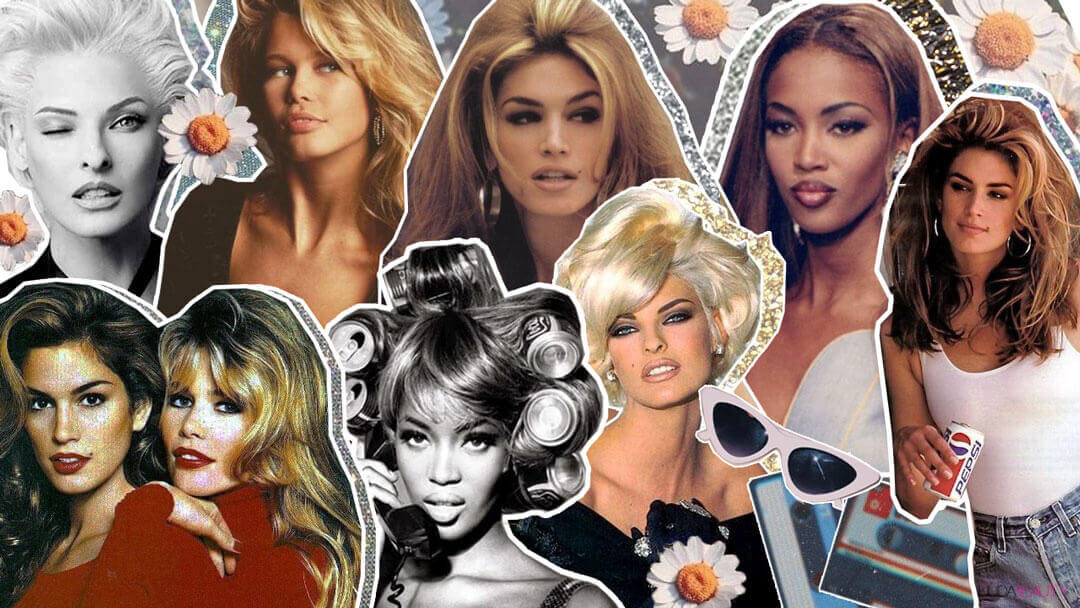
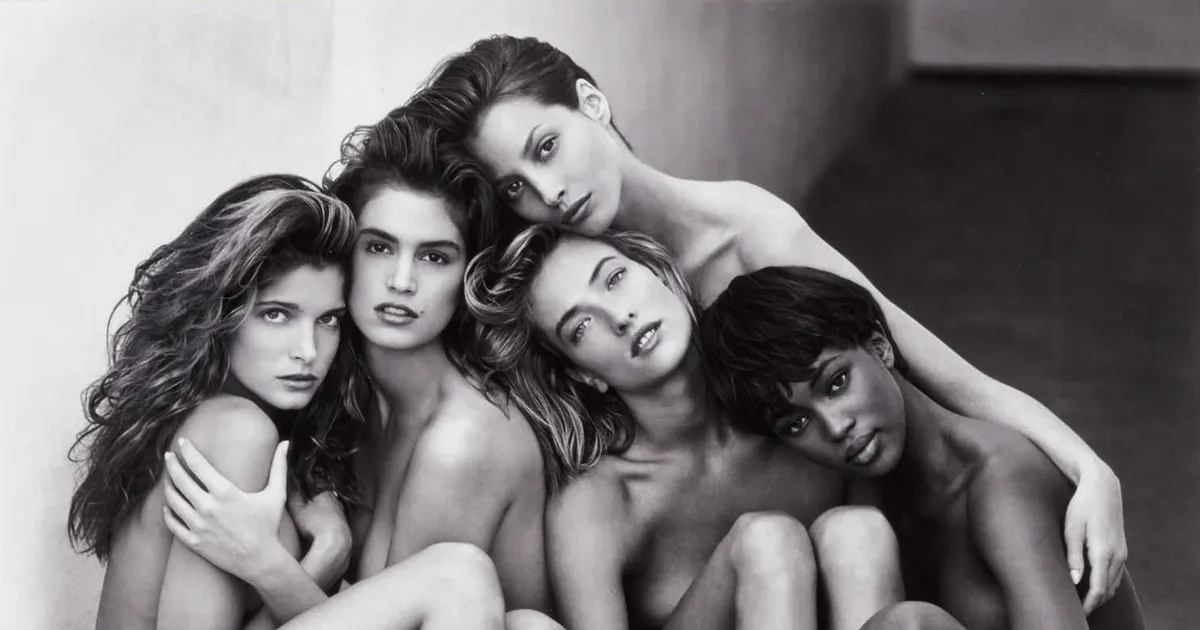
Teenagers in the 1990s lived in a simpler and more grounded time. Technology was limited, fashion was expressive but not overwhelming, and self-image was not shaped by constant digital comparison. Beauty was admired, but it did not dominate identity. Confidence was earned through personality, achievements, and relationships rather than polished appearance or social media recognition.
Lifestyle habits in the 1990s were generally more natural. Processed foods were fewer, outdoor play was common, and physical activity came naturally through day-to-day life. Teenagers cared about their looks but were less exposed to cosmetic standards. A typical skincare routine included soap, water, and perhaps a home remedy recommended by elders.
Health and wellness were rarely medicalized. People visited doctors only when they were sick, not to optimize their metabolism or skin quality. There was little awareness about hormonal health, gut health, or inflammation, the very pillars on which functional medicine now rests. Beauty and health existed as separate worlds.
2025: When Wellness and Beauty Intersect

Fast forward to 2025, and the line between wellness and aesthetics has almost disappeared. Teenagers and young adults live in an era where outer appearance has become a reflection of overall well-being. Clear skin, toned bodies, glowing complexions, and glossy hair are seen as symbols of success and self-care.
This shift has been powered by two parallel revolutions, the rise of aesthetic medicine and the growth of functional medicine. Together, they represent a new mindset: beauty is not only about what you apply to your skin, but also about what happens within your body.
Social media has accelerated this mindset. The “Instagram face,” the “glass skin trend,” and “glow-up culture” have made appearance a daily focus. Teenagers compare their features, fitness levels, and skin conditions with those of influencers. As a result, the demand for treatments that enhance both appearance and wellness has grown dramatically.
Functional Medicine: Healing from Within
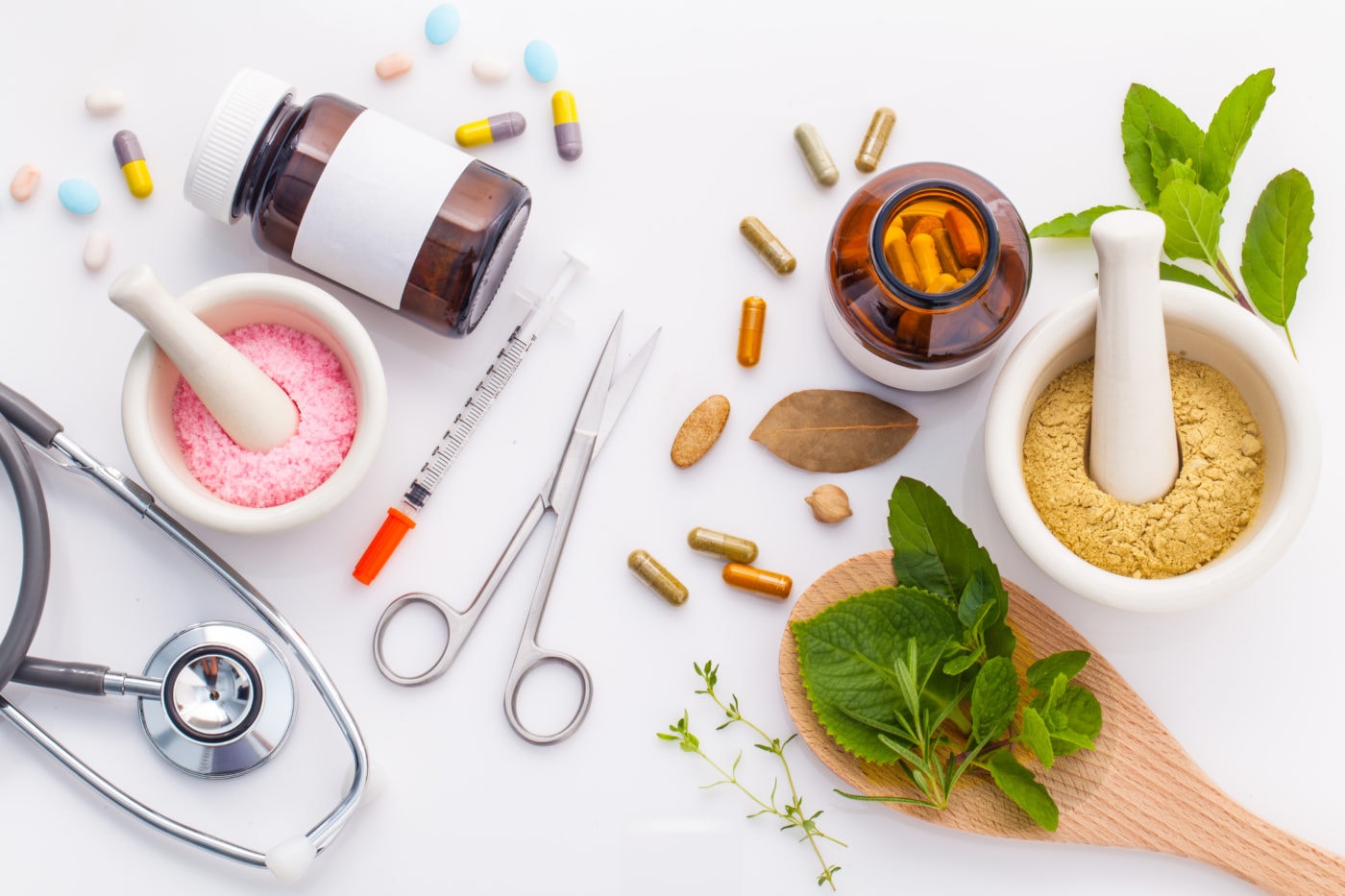
Functional medicine, almost unknown in the 1990s, has become a foundation for modern health and beauty practices. It focuses on identifying and addressing the root causes of health issues rather than just treating symptoms. For example, a teenager struggling with acne in the 1990s would have turned to creams or antibiotics. Today, functional practitioners look deeper, assessing gut health, hormone balance, diet, sleep patterns, and stress to understand the true cause.
Teenagers today are more aware that skin reflects internal health. Dullness, breakouts, pigmentation, or hair fall are seen as signs of imbalance, not just cosmetic flaws. Through functional medicine, they learn how nutrition, hydration, and emotional well-being directly influence appearance.
In 2025, wellness clinics combine diagnostic tools like hormone mapping, blood sugar monitoring, and food intolerance testing with lifestyle programs. The goal is to build beauty from the inside out. This holistic approach would have seemed futuristic to a teenager in 1995, when most health advice came from family traditions or simple remedies.
Aesthetic Medicine: Science of External Enhancement

Alongside functional medicine, aesthetic medicine has become a mainstream part of modern life. In the 1990s, aesthetic treatments were rare, expensive, and often associated with celebrities. Cosmetic surgery carried stigma, and there were few non-invasive options. Today, technology has transformed the industry, making treatments safer, faster, and more accessible.
Procedures like laser therapy, chemical peels, pigmentation correction, IV drips, skin boosters, and anti-aging facials are no longer luxuries, they are part of many teenagers’ or young adults’ self-care routines. These treatments not only enhance appearance but also build confidence, helping individuals present their best selves in personal and professional spaces.
Social acceptance of aesthetic treatments has also evolved. What was once considered vanity is now viewed as self-investment. For teenagers growing up in a digital era, appearance is linked to self-expression, career image, and even mental health. The modern motto is clear: feeling good starts with looking good, and vice versa.
Comparing Beauty Mindsets: 1990s vs 2025
In the 1990s, beauty was spontaneous and unfiltered. Photographs captured reality, and imperfections were accepted as natural. Teenagers admired film stars but did not feel pressured to mirror them. Cosmetic brands were limited, and beauty advice came from magazines or family rituals.
In 2025, beauty is highly curated. Teenagers live through screens where every image is edited, filtered, and perfected. The exposure to global standards has created both awareness and anxiety. On one side, inclusivity in skin tones, body shapes, and gender expression is celebrated. On the other, the expectation of looking flawless has intensified.
While the 1990s valued authenticity, 2025 values presentation. A teenager in 1995 might have spent an evening writing in a diary; a teenager in 2025 spends it taking and retouching selfies. Beauty has moved from being personal to being performative, an aspect of public identity rather than private satisfaction.
How Functional and Aesthetic Medicine Are Bridging the Gap
The most encouraging transformation in 2025 is how functional and aesthetic medicine are merging to promote holistic well-being. Clinics now treat skin conditions not just at the surface but through integrated care.
For example:
Pigmentation is treated not only through laser or peel but also by addressing vitamin deficiencies, hormonal imbalance, and stress.
Hair fall management includes scalp therapy combined with gut detox and nutritional correction.
IV drips for glowing skin include vitamins, antioxidants, and hydration, improving both skin health and body vitality.
These treatments recognize what was often ignored in the 1990s, that external beauty cannot exist in isolation from internal balance. The skin is now seen as a mirror of the body’s internal condition. A healthy gut, stable hormones, and mental calmness all contribute to radiant skin.
This approach reflects a new form of intelligence, one where science, self-care, and confidence coexist. Teenagers are learning to invest not just in beauty products but in understanding their own biology.
The Role of Media and the Pressure of Perfection

While science and awareness have advanced, the media’s influence has created new challenges. Teenagers today are constantly exposed to perfection, unblemished skin, sculpted bodies, and high-definition beauty standards. Even though functional medicine promotes inner healing, and aesthetic medicine emphasizes enhancement rather than change, the line between improvement and obsession is thin.
The rise of influencer culture has made outer appearance a form of currency. Teenagers measure self-worth through online validation, often forgetting that real health cannot be filtered. This creates mental health strain, body image issues, and social anxiety.
In contrast, the 1990s teenager lived with slower media consumption. Advertisements were limited to television and magazines, and self-comparison was less intense. Aesthetic ideals existed, but they were attainable and local. Modern teenagers, however, face a globalized beauty market, one that constantly redefines perfection.
The Psychological Impact of This Shift
Functional and aesthetic medicine have empowered individuals to take control of their health and appearance, but they have also revealed how fragile self-esteem can become when appearance dominates identity. The emphasis on self-optimization, glowing skin, balanced hormones, ideal body proportions, can create a cycle of constant pursuit rather than contentment.
The difference between the two generations lies in their definition of self-worth. In the 1990s, self-esteem came from family approval, education, and achievements. In 2025, it often comes from how one is perceived visually. Yet, as awareness grows, more wellness experts emphasize the importance of mental balance, encouraging teenagers to combine outer grooming with inner healing.
The New Definition of Beauty: Balance Between Inner and Outer Health

Modern clinics now operate on a philosophy that beauty is both internal and external. Functional medicine treats the cause; aesthetic treatments refine the result. Together, they create a balance between appearance and vitality.
This new understanding has changed the entire beauty narrative. Teenagers no longer rely solely on makeup to hide flaws; they seek professional help to correct underlying imbalances. They understand that outer glow is a reflection of gut health, hormone regulation, stress control, and hydration.
In contrast, the 1990s teenager might have turned to home remedies or simple products without understanding the deeper connections between food, lifestyle, and appearance.
Today, education in wellness is accessible. From social media experts to professional clinics, young people are exposed to information that empowers them to make informed choices. This accessibility, combined with advanced science, has given rise to a generation that values both aesthetics and authenticity.
Conclusion: From Simplicity to Science, From Vanity to Wellness
The journey from the 1990s to 2025 illustrates how outer appearance has evolved from being a matter of vanity to a symbol of overall wellness. Teenagers today live in a complex world where self-image is shaped by digital exposure, social trends, and medical innovation.
The growing influence of functional medicine reminds society that beauty starts within, through nutrition, emotional health, and hormonal balance. Aesthetic medicine, on the other hand, empowers individuals to enhance and maintain that beauty safely and scientifically.
While appearance holds greater importance than ever, it is essential to preserve the balance that defined earlier generations, valuing inner character as much as outer polish. The challenge for today’s youth is not to reject beauty culture but to redefine it: to understand that true radiance comes from harmony between body, mind, and spirit.
In the end, what has truly changed is not just how people look, but how they understand the relationship between appearance and well-being. The evolution from the 1990s to 2025 shows that the future of beauty lies not in perfection, but in health, balance, and authenticity, where functional medicine and aesthetics together create a more holistic vision of what it means to be beautiful.