

How a Winter Diet Helps in Weight Loss: A Complete Guide by Midas Wellness Hub

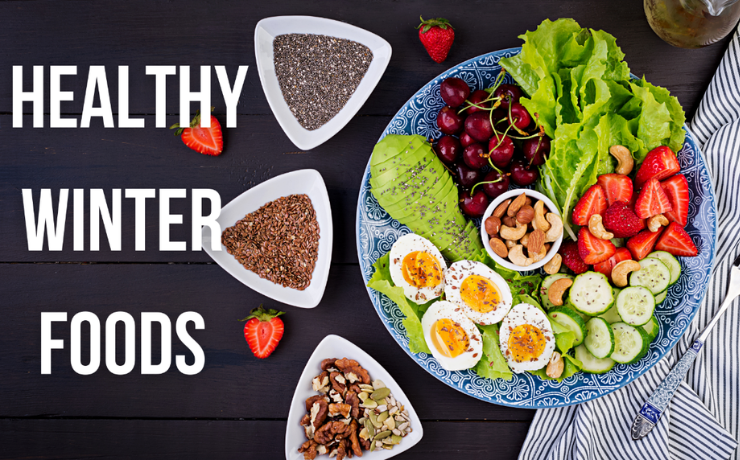
03
Dec
How a Winter Diet Helps in Weight Loss: A Complete Guide by Midas Wellness Hub

Winter brings a unique opportunity to reset, nourish, and transform the body. While many people associate the colder months with cravings, comfort food, and reduced physical activity, the season actually offers one of the most effective natural environments for weight loss. When combined with the right dietary habits, winter can become the most powerful season to burn fat and build long-term wellness.
At Midas Wellness Hub, we believe that true transformation comes from understanding how the body functions with the environment. Winter is a season of increased metabolism, deeper nourishment, and heightened internal activity. A thoughtful winter diet not only supports weight loss but also enhances skin health, energy levels, immunity, and overall vitality.
This extensive guide explains why winter is ideal for weight loss and how a carefully designed winter diet accelerates fat burning while keeping you healthy and balanced.
Why Winter Supports Faster Weight Loss

The human body is naturally designed to respond to temperature changes. In winter, cold weather stimulates the body to work harder to maintain internal warmth. This increases calorie burning even when you are resting. It is a built-in metabolic advantage that most people do not take full benefit of. When paired with the right foods, winter becomes the best season for sustainable fat loss.
Another factor is appetite. People feel hungrier in winter because the body demands extra energy to maintain warmth. While this often leads to overeating comfort foods, a balanced winter diet satisfies this hunger without contributing to unnecessary weight gain. The key is not to suppress hunger but to guide it in the right direction.
A winter diet, when planned with warmth, nourishment, and metabolism in mind, supports weight loss in a way that feels natural and satisfying.
1. Winter Boosts Your Basal Metabolic Rate
One of the biggest reasons winter supports weight loss is the rise in basal metabolic rate (BMR). This is the energy required for essential body functions, such as breathing, digestion, and maintaining temperature.
During winter, your body works harder to generate heat, which means it burns more calories automatically. This creates a natural calorie deficit if your diet is nutritious and balanced.
A winter diet maximises this natural metabolic boost by including foods that are:
- Warm
- High in fibre
- Protein-rich
- Low in processed sugar
- Rich in healthy fats
When your meals align with the season, the body utilises food more effectively, creating a smooth and efficient weight-loss cycle.
2. Seasonal Produce Enhances Digestion and Reduces Fat Storage

Winter brings some of the most nutrient-rich produce of the year. Vegetables like carrots, beetroots, radishes, spinach, methi, sarso, sweet potatoes, and red pumpkin are high in fibre and antioxidants. They improve digestion, which is crucial for weight loss.
Better digestion means:
- Less bloating
- Better nutrient absorption
- Fewer cravings
- More stable gut activity
- Reduced fat storage
Fruits like oranges, amla, guava, and pomegranate provide vitamin C, which not only strengthens immunity but also regulates metabolism and skin health.
A diet centred around seasonal produce ensures your body gets the necessary micronutrients for fat burning while keeping calories controlled.
3. Warm, Nourishing Meals Reduce Cravings

Winter increases the desire for warm, comforting food. When these cravings are not met, people often turn to processed, sugary foods that derail weight-loss goals.
However, warm, wholesome meals such as soups, herbal teas, dals, millet rotis, sautéed vegetables, stews, and broths fulfil these cravings in a healthier way.
Warm foods:
- Improve digestion
- Stabilise blood sugar
- Reduce emotional eating
- Keep you full longer
- Provide comfort without excess calories
This is especially helpful for individuals who struggle with winter-induced cravings or mood-driven eating.
4. Winter-Friendly Carbohydrates Provide Sustained Energy
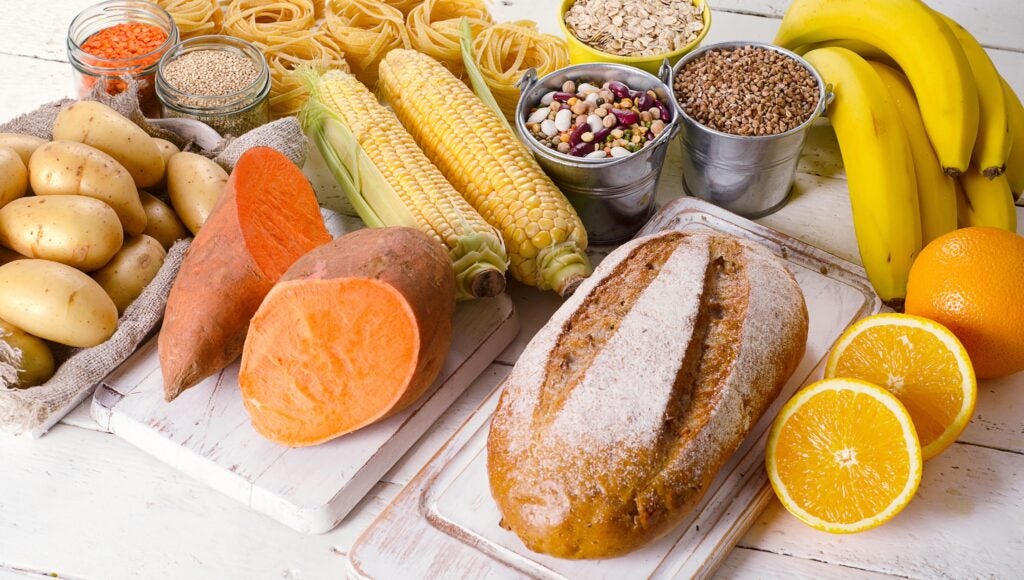
Carbohydrates often get a bad reputation during weight loss, but the right kind of carbs can be incredibly supportive during winter.
Millets such as bajra, ragi, and jowar are the perfect winter staples.
They:
- Keep the body warm
- Provide steady energy
- Reduce hunger pangs
- Are rich in fibre
- Have lower glycemic index compared to wheat
Bajra roti with a teaspoon of ghee is considered one of the most nourishing winter meals. Similarly, ragi porridge, jowar khichdi, and sweet potatoes offer slow-release energy that prevents overeating while supporting daily fitness routines.
5. Spices Improve Metabolism and Fat Burning
Winter spices are naturally warming and medicinal. Ginger, turmeric, cinnamon, black pepper, cloves, cardamom, and ajwain help stimulate digestion and metabolism.
These spices aid weight loss by:
- Reducing inflammation
- Enhancing fat breakdown
- Regulating blood sugar
- Improving digestion
- Preventing gas and bloating
For example, cinnamon helps balance insulin levels, which reduces cravings and fat storage. Ginger improves thermogenesis, a process where the body burns calories to produce heat. Turmeric reduces inflammation, making it easier for the body to burn fat efficiently.
The strategic use of spices in everyday meals enhances the efficiency of the winter diet.
6. Healthy Fats Keep You Full and Reduce Sugar Intake
Contrary to old belief, healthy fats are essential for weight loss. They support hormones, brain function, skin health, and long-lasting energy.
Healthy fats include:
- Ghee
- Nuts like almonds, walnuts, and cashews
- Seeds such as flaxseed, sesame, chia, pumpkin
- Avocados
- Olive oil
These fats reduce sugar cravings by stabilising blood sugar and keeping you full for longer. This prevents unnecessary snacking, emotional eating, and sudden hunger spikes that lead to weight gain.
In winter, fats also help lubricate joints, improve skin texture, and enhance digestion, making weight management easier.
7. Protein Helps Preserve Muscle and Burn Fat
Muscle burns more calories than fat. To maintain or build muscle mass during winter, protein plays a crucial role.
Protein-rich winter foods include:
- Lentils
- Paneer
- Eggs
- Greek yogurt
- Lean meats
- Chickpeas
- Kidney beans
Protein increases satiety, reduces overeating, maintains stamina, and speeds up fat loss. When combined with winter workouts, it helps sculpt the body while supporting a higher metabolic rate.
8. Warm Liquids Boost Digestion and Reduce Fat Accumulation
Hydration often becomes neglected in winter, leading to dehydration, dry skin, and slower digestion. Warm water and hydrating liquids help the digestive system stay active and efficient.
Warm liquids include:
- Soups
- Herbal teas
- Ginger lemon water
- Turmeric milk
- Broth
- Warm infused water
These promote detoxification, reduce bloating, improve metabolism, and prevent water retention. They also help flush toxins that accumulate during winter, supporting fat loss further.
9. A Winter Diet Supports Emotional Wellness
Cold weather often impacts mood and mental energy, leading to emotional eating or cravings for high-calorie foods. A nutrient-rich winter diet improves mood by supporting neurotransmitter balance.
Foods rich in magnesium, omega-3 fats, B vitamins, and antioxidants help stabilise mood, reduce stress, and keep emotional eating in control. This creates a healthier relationship with food and supports steady weight loss.
10. A Winter Diet Improves Workout Performance
Nourishing foods keep the body warm, energised, and ready for physical activity. Better nutrition results in:
- Higher stamina
- Better endurance
- Improved muscle recovery
- Reduced fatigue
This helps maintain consistent workouts, which enhances fat burning and strengthens the body.
Even low-intensity winter workouts, when combined with the right diet, deliver impressive weight-loss results.
11. Traditional Winter Foods Support Natural Fat Burning
Many traditional winter foods are inherently designed to nourish the body and support metabolism.
These include:
- Bajra roti
- Gajar ka halwa (in moderation)
- Til ladoo
- Gond ke ladoo
- Sarso ka saag
- Mixed vegetable soups
- Methi parathas
- Ragi porridge
These foods offer warmth, energy, and essential nutrients while keeping digestion active. When eaten mindfully, they become powerful tools for winter wellness and fat loss.
12. A Winter Diet Reduces Inflammation
Inflammation can hinder weight loss by disrupting hormones, digestion, and metabolism. Many winter foods and spices work naturally to reduce inflammation.
Anti-inflammatory ingredients include:
- Turmeric
- Ginger
- Leafy greens
- Berries
- Nuts
- Seeds
- Omega-rich foods
Lower inflammation means better fat-burning capacity, reduced bloating, and balanced energy levels.
Conclusion: Why Winter Is the Best Season for Weight Loss
A well-planned winter diet works in harmony with the body’s natural processes. From enhanced metabolism and improved digestion to better satiety and stable energy, winter aligns perfectly with sustainable weight loss.
At Midas Wellness Hub, our philosophy is centred around seasonal wellness, personalised nutrition, and science-backed lifestyle practices. The winter diet is not just about losing weight but transforming how your body feels, functions, and flourishes during the colder months.
When you combine winter’s natural advantages with intelligent food choices, weight loss becomes effortless, energising, and long-lasting.