

Healthy Fats & Female Hormones: What Every Woman Should Know

30
Dec
Healthy Fats & Female Hormones: What Every Woman Should Know
At Midas Wellness Hub, many women come to us struggling with fatigue, weight gain, irregular periods, mood swings, hair fall, poor sleep, or persistent hormonal imbalance. Often, they are doing “everything right” eating less, cutting calories, avoiding fats yet their symptoms continue.
One of the most common and overlooked contributors to hormonal imbalance in women is insufficient intake of healthy fats.
For years, fats have been misunderstood and feared, especially by women trying to manage weight or improve health. However, from a functional medicine perspective, healthy fats are not optional, they are essential. Hormones cannot function optimally without them.
This blog explores why healthy fats are crucial for women’s hormonal health, what happens when intake is inadequate, and how the right fats can support balance, energy, and long-term wellness.

Why Hormones Need Healthy Fats
Hormones are chemical messengers that regulate almost every function in a woman’s body, menstrual cycles, fertility, metabolism, mood, sleep, skin health, and stress response.
Most female hormones, including estrogen, progesterone, and cortisol, are synthesized from cholesterol and fatty acids. When dietary fat intake is too low, the body lacks the raw materials required for proper hormone production.
Healthy fats also:
- Support cell membrane integrity
- Enable hormone signaling between cells
- Reduce inflammation
- Support brain and nervous system function
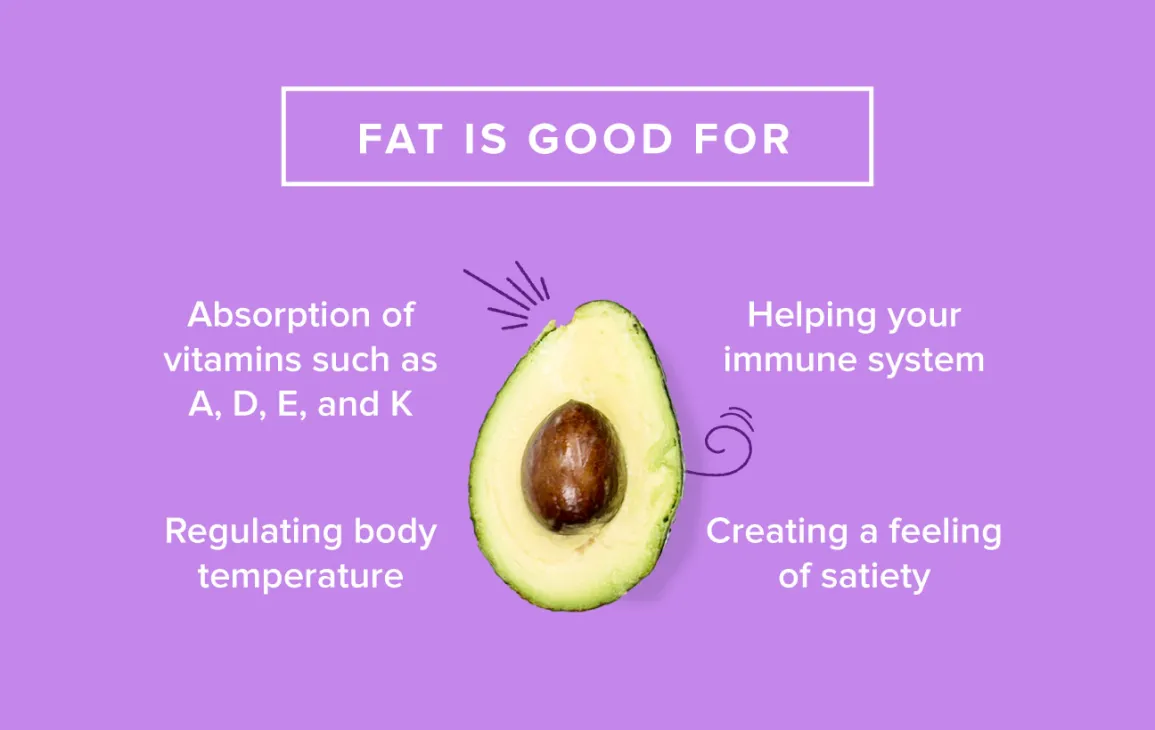
- Improve nutrient absorption (especially fat-soluble vitamins)
Without adequate healthy fats, hormonal communication becomes inefficient, leading to imbalance and symptoms.
The Impact of Low-Fat Diets on Women’s Health
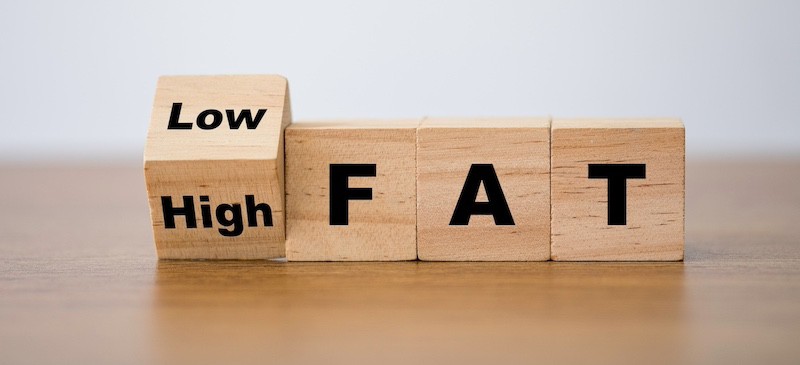
Many women have spent years following low-fat or restrictive diets in the name of weight loss or “clean eating.” While these approaches may show short-term results, they often come at the cost of hormonal health.
Chronically low fat intake can contribute to:
- Irregular or missing periods
- Low estrogen or progesterone levels
- Increased cortisol (stress hormone)
- Thyroid dysfunction
- Hair fall and dry skin
- Mood swings and anxiety
- Poor satiety and constant cravings
The body perceives a lack of dietary fat as a signal of scarcity, shifting into a stress response that prioritizes survival over hormonal balance.
Healthy Fats and the Menstrual Cycle
A regular, healthy menstrual cycle depends on adequate hormone production and signaling.
Healthy fats help:
- Support estrogen and progesterone synthesis
- Reduce inflammation linked to period pain
- Improve ovulation and cycle regularity
- Stabilize blood sugar, which directly affects hormones
Women who severely restrict fats often experience delayed cycles, heavier bleeding, or worsened PMS symptoms. Over time, this can affect fertility and long-term hormonal resilience.
Healthy Fats and PMS, Mood, and Emotional Health

Many women notice mood changes, irritability, anxiety, or low motivation around their menstrual cycle. While hormones play a role, fat intake significantly influences emotional regulation.
Healthy fats support:
- Neurotransmitter production (such as serotonin and dopamine)
- Brain cell membrane flexibility
- Nervous system stability
- Omega-3 fatty acids, in particular, have been shown to support mood balance and reduce inflammation linked to PMS and PMDD symptoms.
When fat intake is inadequate, emotional symptoms often intensify.
The Role of Healthy Fats in Stress and Cortisol Balance

Modern women live under constant physical and emotional stress. Chronic stress raises cortisol levels, which can disrupt other hormones like estrogen, progesterone, insulin, and thyroid hormones.
Healthy fats:
- Support adrenal gland function
- Help stabilize blood sugar
- Reduce inflammatory stress responses
- Improve resilience to physical and emotional stress
Without adequate fats, cortisol remains elevated for longer periods, leading to fatigue, weight gain, anxiety, and sleep disturbances.
Healthy Fats and Thyroid Function

The thyroid gland plays a central role in metabolism, energy, and hormonal coordination.
Healthy fats are essential for:
- Thyroid hormone production
- Conversion of inactive thyroid hormone to its active form
- Reducing inflammation that interferes with thyroid signaling
Very low-fat diets can worsen hypothyroid symptoms such as fatigue, weight gain, hair thinning, and cold sensitivity.
Healthy Fats, Blood Sugar, and Insulin Balance
Blood sugar imbalance is one of the biggest hidden disruptors of women’s hormones.
Healthy fats:
- Slow glucose absorption
- Improve insulin sensitivity
- Prevent sharp blood sugar spikes and crashes
- Reduce cravings and emotional eating
Stable blood sugar supports balanced estrogen, progesterone, and cortisol levels, improving energy and mood throughout the day.
Healthy Fats and Skin, Hair, and Aging
Hormonal health is closely linked to external signs such as skin quality and hair health.
Adequate healthy fat intake supports:
- Skin barrier integrity
- Natural skin hydration and elasticity
- Hair follicle nourishment
- Reduced inflammation linked to acne and pigmentation
Many women experiencing premature aging, dryness, or hair fall are unknowingly under-consuming fats.
Which Fats Support Women’s Hormonal Health?
Not all fats are equal. The quality and type of fat matter significantly.
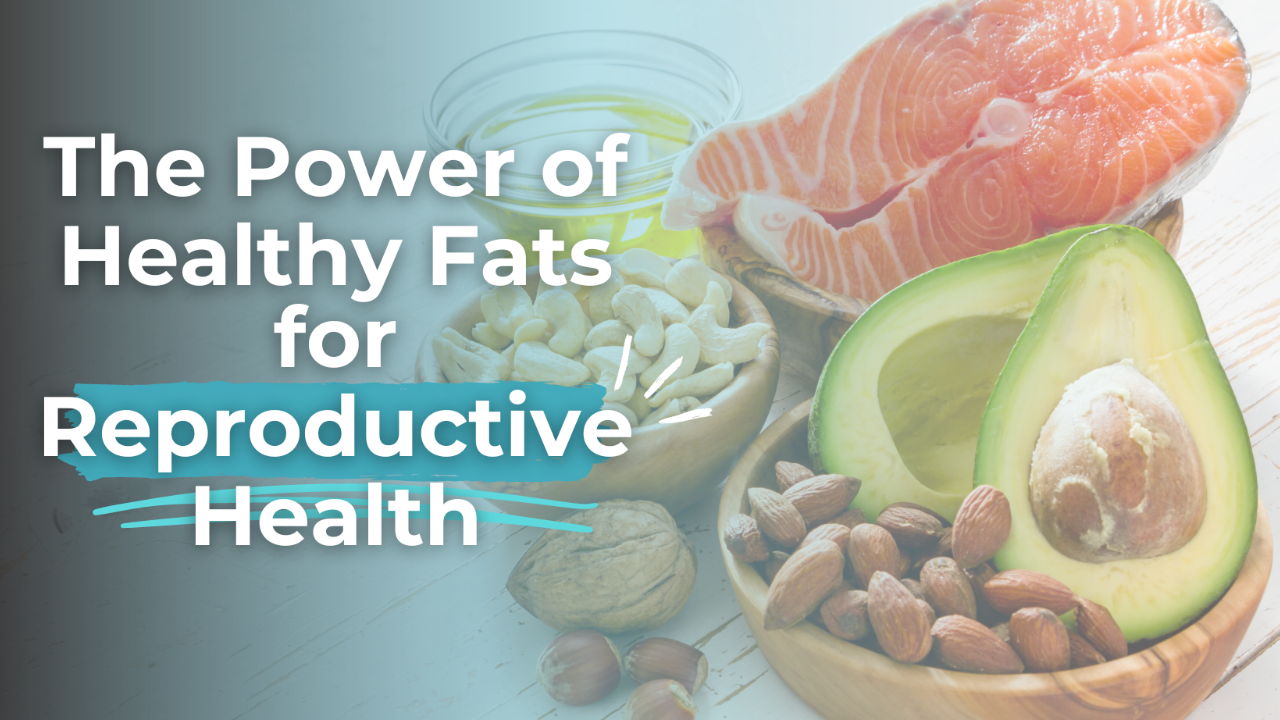
Healthy fats that support hormonal balance include:
- Monounsaturated fats that support insulin sensitivity
- Omega-3 fatty acids that reduce inflammation
- Natural saturated fats in appropriate amounts that support hormone synthesis
At Midas Wellness Hub, we emphasize balance not excess, not elimination.
Fats to Be Cautious With
While healthy fats are essential, certain fats increase inflammation and worsen hormonal imbalance.
Highly processed and industrial fats:
- Increase oxidative stress
- Disrupt cell membranes
- Worsen insulin resistance
- Interfere with hormone signaling
These fats often contribute to hormonal symptoms rather than supporting balance.
Why Fat Intake Must Be Personalized
Women’s fat requirements vary depending on:
- Age
- Activity level
- Hormonal phase (menstruation, pregnancy, perimenopause)
- Metabolic health
- Stress levels
- Gut health
Some women thrive on moderate fat intake, while others need higher support during healing phases. A one-size-fits-all approach does not work.
Healthy Fats During Different Life Stages
In the 20s and 30s, healthy fats support cycle regularity, fertility, skin health, and stress resilience.
During pregnancy, fats are essential for fetal brain development and maternal hormone balance.
In perimenopause, adequate fat intake supports estrogen balance, reduces inflammation, and stabilizes mood and sleep.
Post-menopause, fats help support brain health, metabolic stability, and cardiovascular health.
The Functional Medicine Approach at Midas Wellness Hub
At Midas Wellness Hub, we view healthy fats as a foundational part of hormonal healing not a dietary trend.
Our approach includes:
- Evaluating dietary patterns alongside symptoms
- Assessing blood sugar, lipid profile, inflammation, and hormones
- Supporting gut health for optimal fat digestion and absorption
- Personalizing nutrition plans rather than prescribing restrictive diets
- Educating women on sustainable, long-term habits
- We focus on restoring balance, not promoting fear around food.
Signs You May Not Be Getting Enough Healthy Fats
You may benefit from evaluating fat intake if you experience:
- Hormonal imbalance or irregular cycles
- Persistent fatigue
- Mood swings or anxiety
- Hair fall and dry skin
- Constant cravings
- Difficulty feeling satisfied after meals
These symptoms often improve when dietary balance is restored.
Final Thoughts
Healthy fats are not the enemy of women’s health they are one of its greatest allies.
Hormonal balance requires nourishment, consistency, and respect for the body’s biological needs. Restriction, fear, and extremes often disrupt this delicate balance.
At Midas Wellness Hub, we believe women deserve to feel energized, emotionally stable, hormonally supported, and confident in their food choices. When healthy fats are reintroduced thoughtfully and personalized appropriately, the body responds with resilience and balance.
Hormones do not thrive on restriction they thrive on nourishment.