

Breaking the Cycle: How Epigenetics Can Heal Family Health Patterns


31
Oct
Breaking the Cycle: How Epigenetics Can Heal Family Health Patterns
Have you ever wondered why certain health conditions seem to repeat in families? Diabetes, obesity, depression, hypertension, infertility, or even patterns of emotional instability often appear generation after generation. For a long time, this was explained simply as a heredity, we believed that if it runs in the family, it must be in our genes, and therefore inevitable.
However, modern science paints a far more empowering picture. Our genes are not our destiny. The emerging field of epigenetics reveals that our environment, lifestyle, emotions, and even thoughts can influence how our genes function. In other words, while we inherit our genetic code, it is our daily choices and environment that determine how those genes express themselves.
This understanding changes everything. It means that even if certain health conditions exist in your family, you have the ability to influence your biology and possibly prevent or reverse these patterns. This concept forms the foundation of functional medicine and is a key pillar of the Midas Wellness Hub approach, understanding that healing begins from within, by addressing the root cause rather than treating the symptom.
Understanding Epigenetics

Epigenetics is the study of how gene activity can change without altering the DNA sequence itself. These changes affect how genes are switched on or off. You can think of your DNA as the hardware and epigenetics as the software that tells it what to do.
Every cell in your body contains the same DNA, but not all cells act the same way. For instance, a skin cell and a brain cell have identical DNA, yet they perform completely different roles. This happens because epigenetic mechanisms determine which genes are active and which are silent in each cell.
These switches are influenced by factors such as diet, sleep, stress, physical activity, exposure to toxins, and even emotional experiences. Over time, the accumulation of these influences can significantly impact our health and longevity.
The Inheritance of More Than Just Genes
We often inherit more than eye color or height from our parents. We also inherit patterns of gene expression shaped by their experiences. This is known as epigenetic inheritance.
For example, studies have shown that children and grandchildren of individuals who experienced famine, chronic stress, or trauma may carry certain epigenetic markers that affect metabolism, emotional regulation, or stress response. This does not mean the genetic code itself changed, but that the way the genes functioned was influenced by life experiences and environmental conditions.
In other words, the life your grandparents lived might still echo in your body today. Their stress, their nutrition, their exposure to toxins, and their lifestyle choices could shape how your own genes behave.
This might sound daunting, but it also presents an extraordinary opportunity. Because if the environment can negatively influence genes, it can also positively transform them.
Breaking the Cycle
The good news is that epigenetic changes are not permanent. They are dynamic, flexible, and responsive to change. Through conscious lifestyle choices, nutrition, and emotional healing, we can influence our gene expression in a healthier direction.
Breaking the cycle of inherited health patterns begins with awareness. Once you recognize that your health is not just a matter of luck or family history, but something you can actively shape, you begin to take control.
This approach is not about quick fixes or surface-level treatments. It is about transforming your relationship with your body and your health. It’s about understanding that wellness is not just the absence of disease, but the presence of balance in all aspects of life, physical, emotional, mental, and spiritual.
The Role of Lifestyle in Epigenetic Healing
Every choice you make sends a message to your genes. What you eat, how you sleep, how you move, and how you handle stress all create biochemical signals that either support or suppress healthy gene expression.
Nutrition and Gene Expression
Food is not just fuel; it is information for your body. Nutrients from your meals communicate directly with your DNA. A diet rich in antioxidants, vitamins, minerals, and phytonutrients helps regulate the activity of genes involved in inflammation, metabolism, and cell repair.
For instance, compounds like folate, vitamin B12, curcumin (from turmeric), and resveratrol (found in grapes) have been shown to influence DNA methylation, one of the key processes in epigenetic regulation. In contrast, a diet high in processed foods, refined sugar, and trans fats can promote negative epigenetic changes that contribute to inflammation and disease.
At Midas Wellness Hub, the approach to nutrition goes beyond calorie counting. It focuses on functional nutrition, using food as medicine to heal the body at the cellular level.
Stress and Emotional Well-being

Emotional stress is one of the most powerful influencers of gene expression. Chronic stress triggers the release of cortisol and other stress hormones, which can alter gene activity related to inflammation, immunity, and even mood regulation.
Over time, this can lead to burnout, anxiety, hormonal imbalances, and immune dysfunction. More importantly, unresolved emotional trauma can create long-term epigenetic imprints that influence future generations.
Healing begins when we regulate our stress response through mindfulness, meditation, breathwork, and emotional therapy. These practices don’t just calm the mind, they create measurable changes in the body’s chemistry and, consequently, in gene expression.
Sleep and Recovery
Sleep is one of the most powerful forms of epigenetic healing. During deep sleep, the body performs crucial repair processes, detoxifying cells, balancing hormones, and restoring brain function. Irregular sleep disrupts these processes and can lead to premature aging and chronic illness.
Functional medicine emphasizes the importance of aligning sleep patterns with natural circadian rhythms, maintaining consistent sleep schedules, and reducing exposure to blue light before bedtime.
Physical Activity
Exercise doesn’t only strengthen muscles; it activates genes responsible for energy metabolism, fat oxidation, and anti-inflammatory pathways. Regular physical activity has been shown to create beneficial epigenetic modifications in muscle cells and the brain. Even simple daily movement like walking or yoga can reprogram your body toward vitality.
Functional Medicine: The Bridge Between Science and Healing

Epigenetics and functional medicine share the same philosophy, that the human body is not a collection of isolated systems but an interconnected network influenced by environment, emotions, and lifestyle.
Functional medicine seeks to uncover the root cause of disease rather than masking symptoms. It views health concerns as outcomes of imbalances at multiple levels, nutritional, hormonal, metabolic, emotional, and genetic.
By understanding how epigenetics works, functional medicine practitioners can design personalized wellness strategies that target gene expression through nutrition, detoxification, stress management, and gut health restoration.
For instance:
In metabolic disorders like obesity or diabetes, functional medicine focuses on restoring insulin sensitivity and reducing inflammation through specific dietary and lifestyle protocols.
In skin and hair issues, the approach looks beyond topical solutions to uncover nutritional deficiencies, oxidative stress, or hormonal imbalance that might be influencing gene expression.
In mental and emotional health, it addresses the biochemical imbalances caused by chronic stress or trauma that affect neurotransmitter function.
At Midas Wellness Hub, this holistic model of care allows individuals to move from reactive health management to proactive wellness creation. It empowers clients to participate in their healing journey with awareness and purpose.
Emotional and Generational Healing
One of the most fascinating areas of epigenetics is its link to emotional inheritance. Research shows that emotional patterns, particularly unresolved trauma, can influence gene behavior and stress responses across generations.
If your parents or grandparents experienced prolonged fear, neglect, or grief, their stress physiology may have left epigenetic marks that influence how you respond to similar situations today. This is why some people may be more prone to anxiety, emotional reactivity, or chronic tension without an obvious cause.
Healing these inherited emotional patterns involves bringing awareness to them and consciously choosing new ways of thinking and feeling. Practices like mindfulness, therapy, journaling, and somatic work can help release stored emotional memories at a cellular level.
When you begin to heal emotionally, you also begin to shift the biochemical environment within your body. Your genes respond to this new state of calm and safety by expressing health-promoting signals. Over time, this new balance can be passed on to future generations, creating a healthier emotional and genetic legacy.
The Future of Preventive and Personalized Healthcare
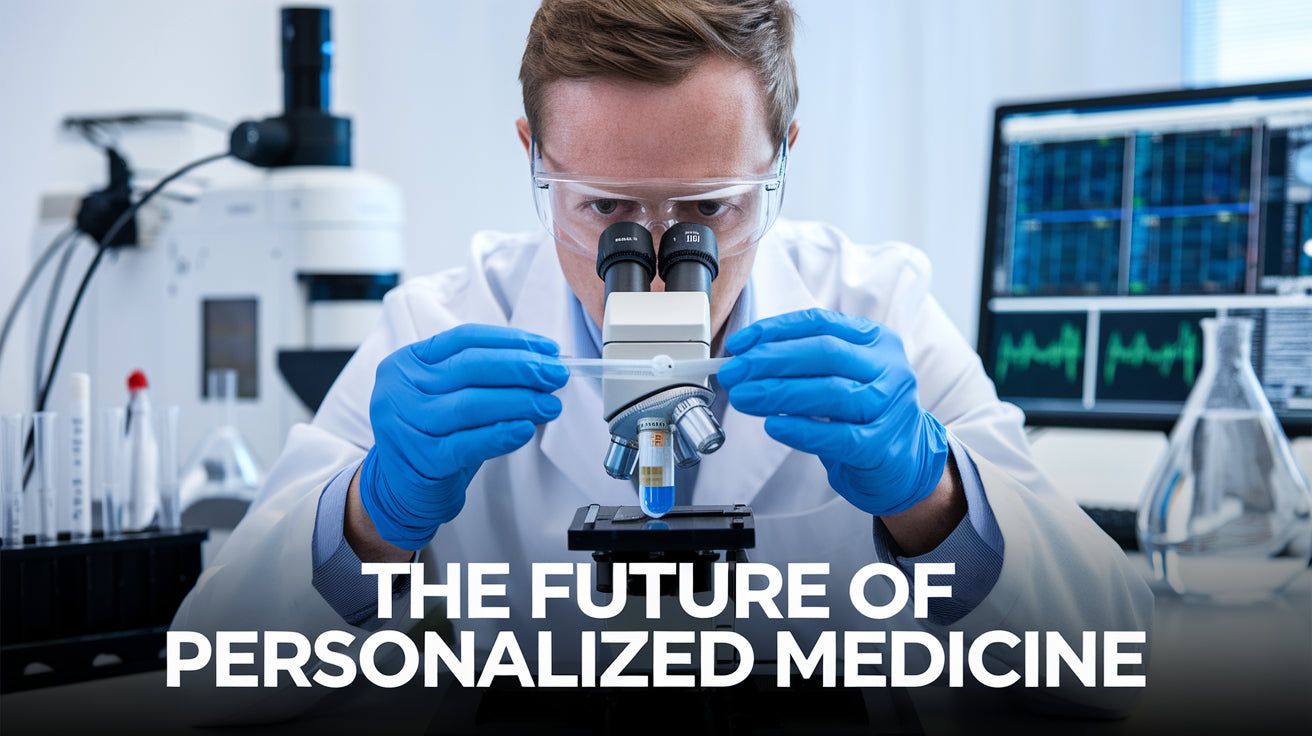
The study of epigenetics has opened new doors in medicine. It has proven that our bodies are not static but dynamic systems that adapt continuously. It shows that health is not about controlling disease but about creating the right conditions for the body to thrive.
As research progresses, more therapies will target the epigenome, using natural compounds, nutritional interventions, and lifestyle practices to reset the body’s biological memory.
Functional medicine already integrates this principle by using comprehensive diagnostic tools to understand an individual’s unique biochemistry and lifestyle. Rather than prescribing a one-size-fits-all treatment, it tailors wellness plans that work in harmony with each person’s genetic makeup.
This approach not only improves outcomes but also prevents diseases before they manifest. It focuses on optimizing energy, resilience, and longevity.
Creating a New Legacy
The most powerful message of epigenetics is that change is possible. You are not trapped by your family’s medical history. You have the ability to influence your genetic destiny through conscious choices, self-awareness, and care.
Every healthy meal you eat, every night of restful sleep, every deep breath, and every moment of emotional healing sends positive signals to your genes. You are rewriting your biological story.
And when you do this, you are not just healing yourself, you are healing generations to come.
At Midas Wellness Hub, we believe in empowering individuals to take control of their wellness journeys through education, holistic therapies, and science-backed treatments. By combining the power of epigenetics with the precision of functional medicine, we aim to help you unlock your body’s natural intelligence and create a healthier, more vibrant future.
Your genes may write the opening lines of your story, but you hold the pen that writes the rest.