

Beverages: The Hidden Influence of What We Drink on Our Health and Lifestyle


18
Dec
Beverages: The Hidden Influence of What We Drink on Our Health and Lifestyle
When we talk about health and nutrition, food usually gets most of the attention. However, beverages play an equally important, often underestimated, role in shaping our overall well-being. From the first sip of tea or coffee in the morning to the soft drink at lunch or the relaxing herbal tea at night, beverages are deeply woven into our daily routines. What we drink can influence our energy levels, digestion, skin health, weight, hydration, and even long-term disease risk.
In today’s fast-paced lifestyle, the beverage industry has expanded rapidly, offering everything from traditional drinks to sugar-loaded soft drinks, functional beverages, and health-focused alternatives. Understanding what goes into these drinks and how they affect the body is essential for making informed choices.
This blog explores the world of beverages, their types, benefits, risks, and how to build healthier drinking habits.
What Are Beverages?
Beverages are liquids consumed to quench thirst, provide nourishment, offer stimulation, or enhance social experiences. They range from the most basic form water to complex formulations containing sugars, caffeine, additives, and functional ingredients.
Broadly, beverages can be categorized into:
1. Non-alcoholic beverages
2. Alcoholic beverages
3. Functional and health beverages
Each category serves different purposes and affects the body in distinct ways.
Non-Alcoholic Beverages

Water: The Most Essential Beverage
Water is the foundation of life and the most important beverage for human health. Nearly every function in the body depends on adequate hydration.
Benefits of drinking sufficient water include:
- Regulation of body temperature
- Improved digestion and nutrient absorption
- Removal of toxins through urine and sweat
- Enhanced skin clarity and elasticity
- Support for kidney and heart health
Despite its importance, many people replace water with flavored drinks, teas, or sodas, leading to chronic dehydration. Even mild dehydration can cause fatigue, headaches, constipation, and dull skin.
Healthy habit: Aim to drink water consistently throughout the day. Infusing it with lemon, mint, cucumber, or berries can improve taste without adding sugar.
:max_bytes(150000):strip_icc()/GettyImages-488636063-5ab2dbd8a8ff48049cfd36e8ad841ae5.jpg)
Tea: A Blend of Tradition and Wellness
Tea is one of the most widely consumed beverages in the world and comes in various forms such as green tea, black tea, white tea, and herbal infusions.
Health benefits of tea include:
- High antioxidant content
- Support for heart health
- Improved metabolism
- Stress reduction
Green tea is especially popular for its role in weight management and skin health, while herbal teas like chamomile, ginger, and peppermint are valued for digestion and relaxation.
However, excessive consumption of milk tea with added sugar can reduce its health benefits and contribute to weight gain.

Coffee: Energy in a Cup
Coffee is loved for its stimulating effects due to caffeine. It helps improve alertness, focus, and physical performance.
Moderate coffee consumption may:
- Enhance mental clarity
- Improve mood
- Boost metabolism
- Provide antioxidants
But excessive intake can lead to anxiety, sleep disturbances, acidity, and increased heart rate. Adding flavored syrups, whipped cream, and sugar turns coffee into a high-calorie beverage with limited nutritional value.
Balanced approach: Limit coffee to one or two cups a day and choose minimal sugar options.

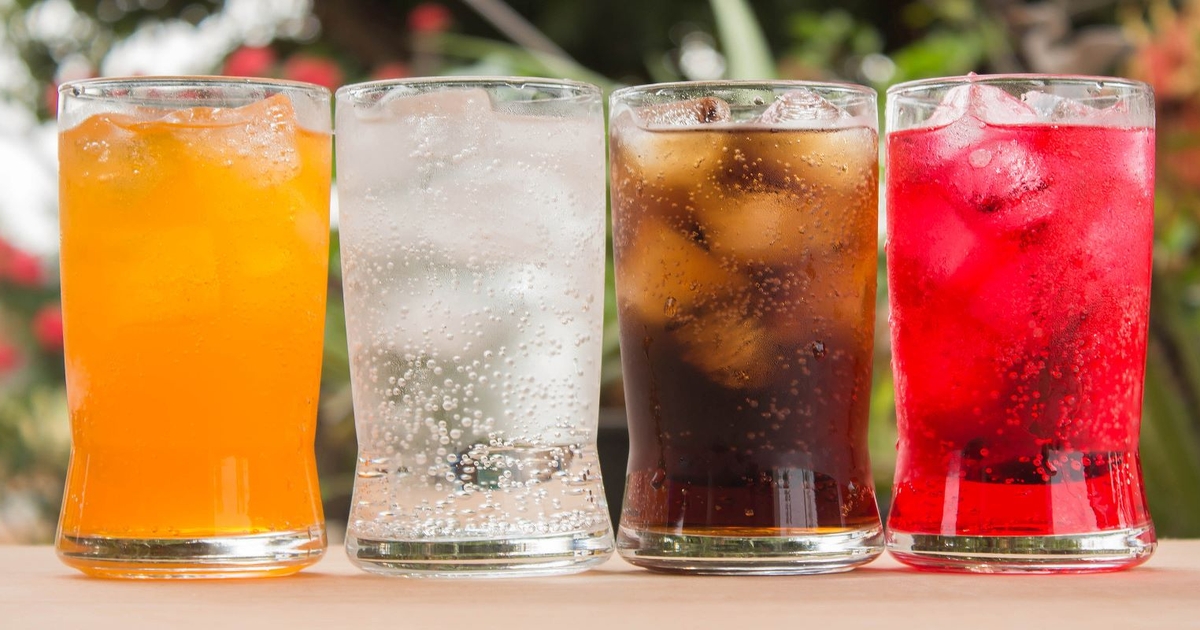
Soft Drinks and Carbonated Beverages
Soft drinks are among the most popular beverages globally, especially among children and young adults. Brands like cola-based drinks are known for their refreshing taste and strong marketing presence.
However, these beverages typically contain:
- High amounts of refined sugar
- Artificial flavors and colors
- Caffeine
- Preservatives
- Health risks of regular soft drink consumption include:
- Weight gain and obesity
- Tooth decay and enamel erosion
- Increased risk of diabetes
- Digestive issues and acidity
- Dehydration
While they may provide instant refreshment, they offer little to no nutritional value.
Healthier alternatives: Sparkling water, homemade fruit-infused drinks, or coconut water.

Fruit Juices: Natural but Not Always Healthy
Fruit juices are often perceived as healthy, but packaged juices can be misleading. While they contain vitamins and minerals, they are often stripped of fiber and high in natural or added sugars.
Concerns with excessive juice consumption:
- Rapid spikes in blood sugar
- Weight gain
- Reduced satiety compared to whole fruits
- Better choice: Eat whole fruits or prepare fresh juices at home and consume them in moderation.
- Functional and Health Beverages
Functional beverages are designed to provide health benefits beyond basic hydration. Their popularity has surged with increased awareness of fitness and wellness.
Common Functional Beverages Include:
Coconut Water:
Naturally rich in electrolytes, coconut water helps with hydration, especially after workouts or illness.
Herbal Drinks:
Infusions made from herbs and spices support digestion, immunity, and stress relief.
Protein Shakes:
Used for muscle recovery and satiety, especially among athletes and fitness enthusiasts.
Probiotic Drinks:
Support gut health and digestion by promoting beneficial bacteria.
While functional beverages can be beneficial, it is important to read labels and avoid products with excessive sweeteners or artificial additives.

Alcoholic Beverages
Alcoholic beverages such as beer, wine, and spirits are commonly consumed in social settings. While some studies suggest limited benefits of moderate wine consumption, excessive alcohol intake poses serious health risks.
Negative effects of alcohol include:
- Liver damage
- Hormonal imbalance
- Dehydration
- Poor skin quality
- Weight gain
- Increased risk of chronic diseases
- Alcohol also disrupts sleep patterns and nutrient absorption.
Responsible approach: If consumed, limit frequency and quantity, and balance with water intake.
How Beverages Impact Overall Health
Hydration and Energy Levels
Sugary and caffeinated drinks may give temporary energy but often lead to crashes. Water and natural beverages support sustained energy and mental clarity.

Skin and Hair Health
Dehydration and high sugar intake can lead to dull skin, acne, premature aging, and hair fall. Hydrating beverages and antioxidant-rich drinks support glowing skin and healthy hair.
Digestion and Gut Health
Carbonated drinks and alcohol can irritate the stomach lining, while herbal teas and probiotic beverages promote digestion and gut balance.
Liquid calories are easy to consume and hard to track. Sugary beverages contribute significantly to weight gain without creating fullness.
The Role of Marketing and Consumer Awareness
The beverage industry uses powerful marketing strategies to position sugary drinks as refreshing, fun, and essential to social life. Attractive packaging and celebrity endorsements often overshadow health concerns.
Being a conscious consumer means:
- Reading ingredient labels
- Understanding sugar content
- Avoiding misleading health claims
- Prioritizing long-term well-being over instant gratification
- Building Healthier Beverage Habits
- Here are simple steps to improve your beverage choices:
- Start your day with water
- Reduce dependence on soft drinks
- Choose homemade drinks whenever possible
- Limit sugar and artificial sweeteners
- Balance caffeine intake
- Listen to your body’s hydration needs
Small changes, when practiced consistently, can make a significant difference.
Conclusion
Beverages are an inseparable part of daily life, but not all drinks support good health. While water, herbal teas, and natural drinks nourish the body, sugary soft drinks and excessive alcohol can quietly harm it over time.
Making mindful beverage choices is not about restriction but about balance and awareness. When you choose drinks that hydrate, nourish, and energize your body naturally, you invest in better digestion, clearer skin, stable energy levels, and long-term wellness.
The next time you reach for a beverage, remember, what you drink today shapes your health tomorrow.