

5 Common Nutrition Deficiencies in Children & How to Fix Them


11
Dec
5 Common Nutrition Deficiencies in Children & How to Fix Them
Nutrition during childhood is the foundation for lifelong health. The early years shape everything from growth, immunity, and brain development to emotional wellbeing and academic performance. Yet, despite having access to diverse foods, many children today experience nutritional deficiencies that often go unnoticed until symptoms become concerning.
Fast-paced lifestyles, packaged food consumption, irregular meal timings, picky eating habits, and a lack of nutritional awareness are major reasons why deficiency-related health problems are rising in children.
At Midas Wellness Hub, we work extensively with parents to identify these gaps early and provide practical, science-backed solutions that restore a child’s health holistically. This blog covers the five most common nutrient deficiencies seen in children today, how to identify them, and the most effective ways to fix them through diet, lifestyle, and supplementation when required.

Understanding Nutritional Deficiencies in Children
A nutritional deficiency occurs when the body does not receive adequate amounts of essential nutrients required for proper growth and functioning. During childhood, the body grows rapidly, and inadequate nutrition can affect:
- Height and weight milestones
- Immunity against infections
- Hair, skin, and bone health
- Cognitive development and learning
- Hormonal balance
- Energy levels and stamina
- Emotional regulation
The good news is that most deficiencies are preventable and reversible when addressed early. Let’s explore the five most common ones.
1. Iron Deficiency

Why it matters:
Iron is crucial for producing hemoglobin, the protein responsible for carrying oxygen in the blood. A lack of iron leads to anemia, which affects energy, immunity, and brain development.
Why children become deficient:
- Increased growth demands
- Poor intake of iron-rich foods
- Excessive consumption of milk, which interferes with iron absorption
- Picky eating patterns
- Vegetarian diets without balanced replacements
- Frequent infections
Common symptoms:
- Fatigue and low energy
- Pale skin, especially under the eyes
- Poor appetite
- Slow learning, poor concentration
- Frequent colds or infections
- Brittle nails or hair fall
- Irritability or sudden mood swings
How to fix it:
1. Add iron-rich foods regularly
- Spinach, methi, green leafy vegetables
- Lentils, rajma, chole, dals
- Eggs
- Ragi
- Whole grains
- Nuts and seeds
- Dates, raisins, jaggery
2. Combine iron with Vitamin C
Vitamin C enhances iron absorption.
Include:
- Lemon water
- Oranges, sweet lime
- Tomatoes
- Strawberries
- Amla
3. Reduce factors that block iron absorption
- Avoid tea or coffee for older children
- Limit heavy milk consumption throughout the day
4. Supplementation when required
A pediatrician may recommend iron supplements in moderate to severe cases. At Midas Wellness Hub, we assess iron stores through detailed evaluations and guide supplementation safely.
2. Vitamin D Deficiency

Why it matters:
Vitamin D supports strong bones, immunity, mood stability, and hormone regulation. It also helps the body absorb calcium efficiently.
Why children become deficient:
- Reduced outdoor playtime
- High screen usage
- Urban lifestyles with limited sun exposure
- Sunscreens blocking absorption
- Diet low in vitamin D rich foods
Common symptoms:
- Bone pain or delayed bone development
- Frequent infections
- Poor posture
- Delayed walking in toddlers
- Low energy and fatigue
- Irritability or mood swings
- Hair loss
- Increased risk of fractures
How to fix it:
1. Encourage daily sunlight exposure
- 15–20 minutes of morning sunlight
- Forearms, legs, or back exposed without sunscreen
2. Add vitamin D-rich foods
- Fortified milk
- Egg yolks
- Fish (if non-vegetarian)
- Fortified cereals
- Ghee and butter in moderation
3. Vitamin D supplements
Many children require supplementation because diet alone often cannot correct the deficiency. At Midas Wellness Hub, we guide parents based on testing and safe dosing.
3. Calcium Deficiency
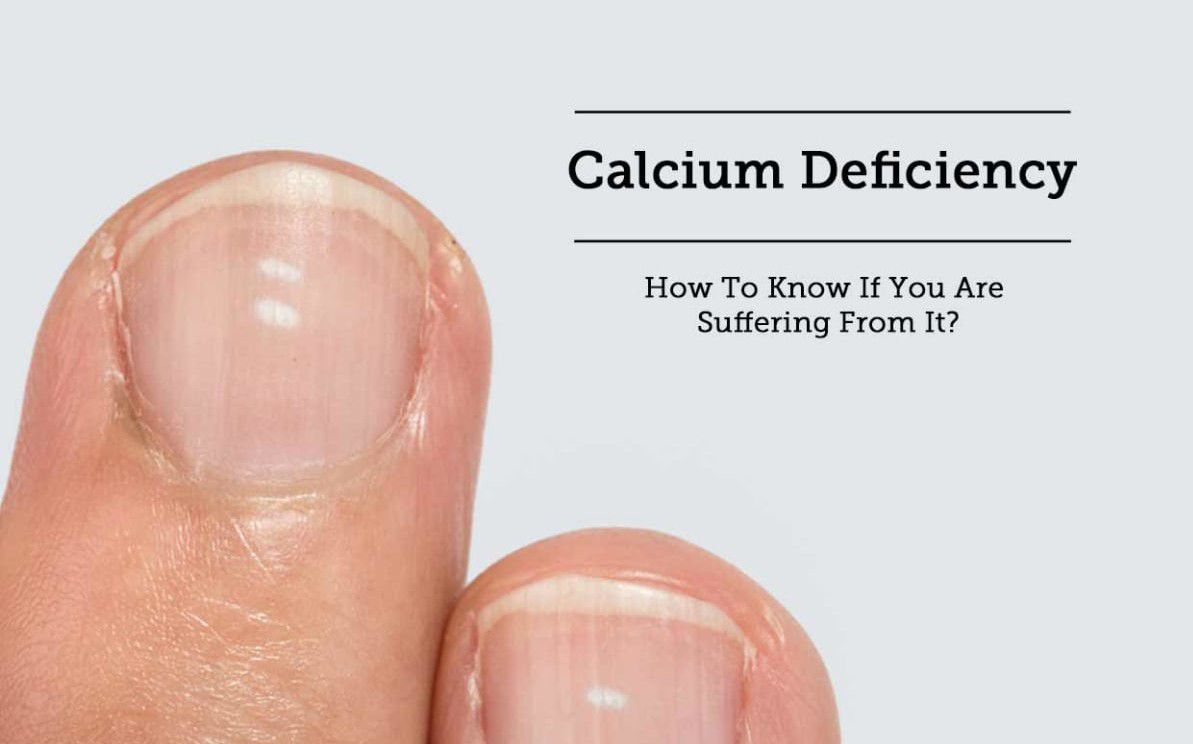
Why it matters:
Calcium is critical for building strong bones and teeth, proper muscle function, nerve transmission, and heart health. Childhood is the peak period of bone mass development.
Why children become deficient:
- Low intake of dairy or substitute sources
- Excess consumption of junk food
- Poor gut health affecting calcium absorption
- Vitamin D deficiency
- Avoidance of milk due to taste preferences
Common symptoms:
- Weak bones, frequent fractures
- Delayed tooth development
- Muscle cramps or leg pain
- Brittle nails
- Slow growth
- Difficulty sleeping
How to fix it:
1. Include calcium-rich foods
- Milk, curd, paneer
- Ragi
- Broccoli
- Sesame seeds
- Almonds
- Leafy greens
- Fortified foods
2. Pair calcium with Vitamin D
Calcium absorption depends heavily on Vitamin D, so both need to be balanced.
3. Reduce processed foods
Packaged snacks reduce calcium absorption and affect bone strength.
4. Consider supplements if required
If dietary intake is insufficient, supplements may be recommended after a clinical assessment.
4. Protein Deficiency

Why it matters:
Protein is essential for muscle growth, immunity, hair health, skin repair, enzyme function, and overall development. Rapidly growing children need more protein than adults relative to their size.
Why children become deficient:
- Picky eating habits
- High carbohydrate diets
- Excess junk food
- Vegetarian diets without adequate protein alternatives
- Skipping meals
- Low appetite
Common symptoms:
- Weak muscles or fatigue
- Slow growth
- Frequent infections
- Hair thinning or hair fall
- Loss of appetite
- Edema or visible swelling
- Difficulty focusing
How to fix it:
1. Add protein-rich foods daily
- Eggs
- Paneer
- Cheese
- Lentils and dals
- Rajma, chole, sprouts
- Curd and yogurt
- Soya products
- Nuts and nut butters
- Seeds like chia and pumpkin seeds
2. Combine foods for better protein quality
For vegetarians:
- Rice with dal
- Roti with paneer
- Sprouts with nuts
3. Introduce healthy snacking
- Peanut butter on fruit
- Greek yogurt bowls
- Sprout chaat
- Boiled eggs
4. Protein supplements when needed
For underweight or athletic children, pediatric-approved protein supplements may help. Recommendations should be made only after a professional health evaluation.
5. Vitamin B12 Deficiency

Why it matters:
Vitamin B12 is vital for nerve function, concentration, digestion, and red blood cell formation. Children with vegetarian diets are at higher risk.
Why children become deficient:
- Vegetarian or vegan diets
- Poor gut health
- Overconsumption of processed foods
- Weak nutrient absorption
- Low appetite or picky eating
Common symptoms:
- Fatigue and tiredness
- Tingling sensations or numbness
- Poor concentration or memory issues
- Loss of appetite
- Delayed milestones in younger children
- Mood changes or irritability
- Digestive issues like constipation
How to fix it:
1. Include B12-rich foods
- Eggs
- Dairy products (milk, cheese, curd)
- Fortified cereals
- Nutritional yeast
2. Treat gut imbalances
Poor gut health reduces B12 absorption. Probiotics, fiber-rich foods, and hydration help restore balance.
3. Supplements when required
Severe deficiency typically requires supplementation under medical supervision. At Midas Wellness Hub, we ensure the correct dosage and duration based on testing.
How Parents Can Prevent Nutrition Deficiencies
Parents often feel overwhelmed with conflicting dietary advice. Here are practical steps that simplify nutrition and help prevent deficiencies.
1. Focus on balanced meals
Make sure each meal includes:
- A protein source
- A whole grain
- A vegetable
- A fruit
- A healthy fat
2. Limit junk food to occasional treats
Excessive sugar, preservatives, and processed foods impair digestion, immunity, and nutrient absorption.
3. Create structured meal and snack times
Irregular eating patterns lead to overeating or nutrient-poor food choices.
4. Encourage water intake
Hydration supports digestion and absorption of nutrients.
5. Promote outdoor physical activity
This helps with Vitamin D, appetite improvement, bone strength, and mood regulation.
6. Prioritize sleep
Poor sleep weakens immunity and affects metabolism, indirectly contributing to deficiencies.
7. Don’t force-feed
Instead, involve children in grocery shopping, meal prep, and food tasting to build interest in healthy eating.
The Midas Wellness Hub Approach to Child Nutrition
At Midas Wellness Hub, we believe each child is unique. Our pediatric nutrition programs include:
- Comprehensive nutritional deficiency evaluation
- Growth tracking (height, weight, BMI-for-age)
- Blood work recommendations if needed
- Customized meal plans
- Immunity-building food strategies
- Guidance for picky eaters
- Gut health improvement
- Supplementation support when required
- Lifestyle and sleep recommendations
We work closely with parents to ensure the child’s nutrition plan is practical, enjoyable, and sustainable.
When to Seek Professional Help
You should consider expert guidance if your child:
- Frequently falls sick
- Appears tired or low in energy
- Has difficulty concentrating
- Is underweight or overweight
- Has delayed developmental milestones
- Shows signs of poor hair or skin health
- Is a picky eater
- Eats a restricted vegetarian diet
- Complains of body aches or weakness
Early detection prevents long-term complications related to growth, learning, and immunity.
Conclusion
Nutritional deficiencies in children are far more common than most parents realize, but they are also highly manageable with timely care. Understanding the early signs, offering balanced meals, and ensuring adequate sun exposure and physical activity can significantly improve a child’s health.
At Midas Wellness Hub, we guide parents step by step with tailored nutritional plans, scientific assessments, and holistic child wellness programs. With the right support, every child can grow stronger, healthier, and more confident.