
Dandruff Treatment in Borivali: A Complete Guide to a Healthy, Flake-Free Scalp

21
Jul
If you’re noticing white flakes on your clothes, constant scalp itching, or dandruff that keeps coming back despite using medicated shampoos, you’re not alone. Dandruff is one of the most common scalp concerns affecting both men and women. While over-the-counter products may temporarily reduce flakes, they often don’t address the underlying cause.
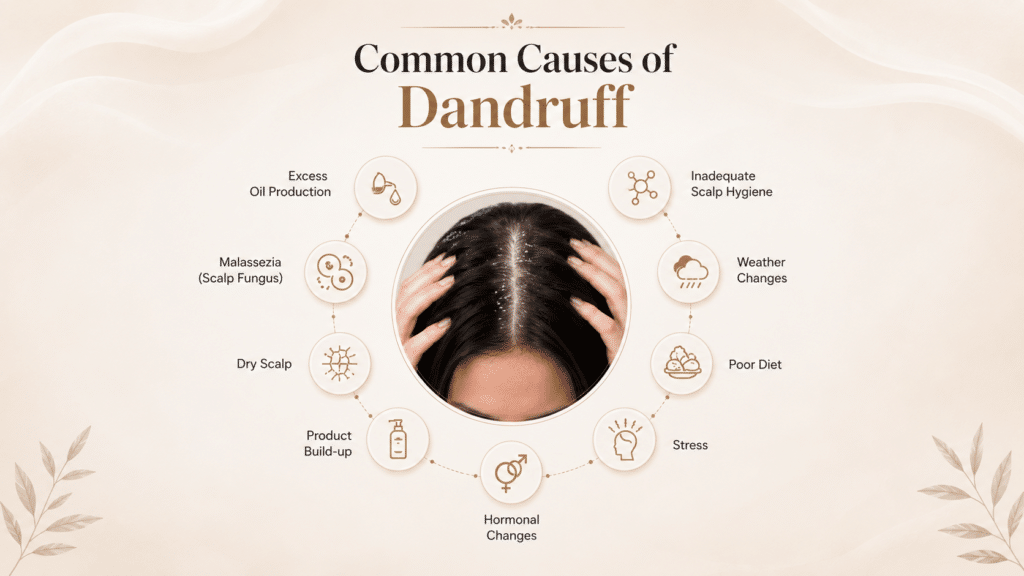
A professional Dandruff Treatment in Borivali focuses on identifying why dandruff occurs in the first place. Factors such as excess oil production, fungal overgrowth, dry scalp, stress, diet, product buildup, or other scalp conditions can all contribute to recurring dandruff. By understanding the root cause, a personalized treatment plan can help improve scalp health and reduce the likelihood of recurrence.
At Midas Wellness Hub, every treatment begins with a detailed scalp assessment, allowing the care plan to be tailored to your specific scalp condition rather than using a one-size-fits-all approach.
What Is Dandruff?
Dandruff is a scalp condition in which dead skin cells shed more rapidly than usual. It may appear as white or yellow flakes on the scalp and clothing and is often accompanied by itching or irritation. Although dandruff itself is not contagious, it can affect comfort and confidence if left unmanaged.
Mild dandruff can often be managed with appropriate scalp care, while persistent or recurring dandruff may benefit from a professional evaluation to determine its underlying cause.
Signs and Symptoms of Dandruff
You may have dandruff if you experience:
✔ White flakes on your hair or shoulders
✔ Persistent scalp itching
✔ Dry or oily scalp
✔ Redness or irritation
✔ Scalp sensitivity
✔ Excessive scalp oil
✔ Flaking around the hairline
✔ Hair shedding associated with scalp inflammation
If these symptoms continue despite regular shampoo use, it may be time to seek professional advice.
Why Does Dandruff Keep Coming Back?
One of the most common questions people ask is:
Why does my dandruff return even after using anti-dandruff shampoo?
The answer is simple—many shampoos help control flakes temporarily but may not address the underlying cause of dandruff.
Common reasons for recurrence include:
1. Excess Oil Production
An oily scalp creates an environment where yeast naturally found on the skin can thrive, potentially contributing to dandruff.
2. Dry Scalp
Dry skin can also lead to flaking, especially during colder months or after using harsh hair products.
3. Product Build-up
Hair sprays, oils, gels, and styling products may accumulate on the scalp if not cleansed properly.
4. Stress
Stress can influence the body’s immune response and may contribute to flare-ups in some individuals.
5. Poor Nutrition
A diet lacking essential nutrients may affect overall skin and scalp health.
6. Hormonal Changes
Hormonal fluctuations can influence oil production, which may affect the scalp.
7. Incorrect Hair Care Routine
Using products that are not suited to your scalp type or washing too frequently—or not enough—can disrupt the scalp’s natural balance.
When Should You See a Professional?
You should consider a scalp evaluation if:
✔ Dandruff persists for several weeks
✔ Itching interferes with daily life
✔ Flakes keep returning
✔ Hair shedding increases
✔ The scalp becomes red or irritated
✔ Over-the-counter products are not effective
A professional assessment can help identify whether dandruff is related to dryness, excess oil, fungal imbalance, or another scalp condition.
Professional Dandruff Treatment at Midas Wellness Hub
A personalized Dandruff Treatment in Borivali begins with understanding the condition of your scalp rather than simply treating visible flakes.
Our approach focuses on:
✔ Scalp assessment
✔ Identifying contributing factors
✔ Deep scalp cleansing
✔ Scalp hydration where appropriate
✔ Personalized home-care guidance
✔ Lifestyle and dietary recommendations
Treatment recommendations vary based on each individual’s scalp condition.
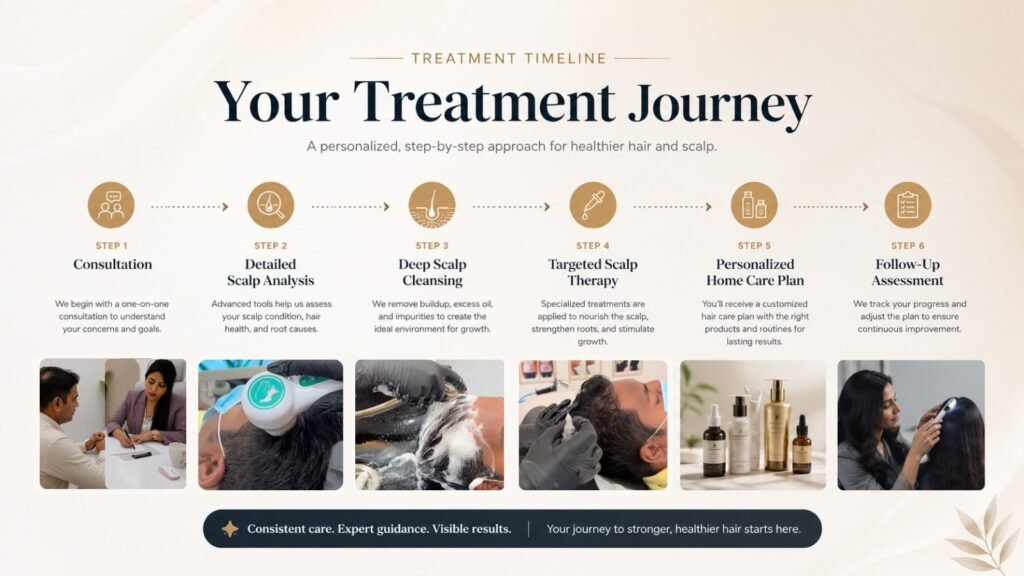
Treatment Timeline Your Treatment Journey
Benefits of Professional Scalp Care
✔ Reduce visible flakes
✔ Relieve itching
✔ Improve scalp cleanliness
✔ Support a balanced scalp environment
✔ Reduce product build-up
✔ Improve overall scalp comfort
✔ Support healthy-looking hair
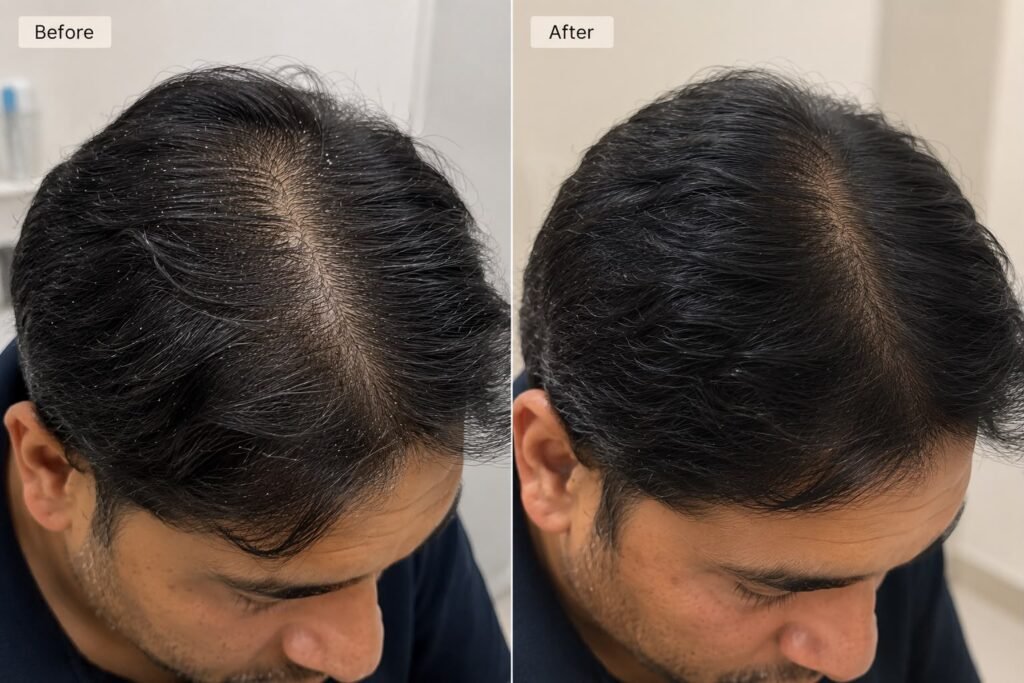
Expert Advice from Dr. Shibani
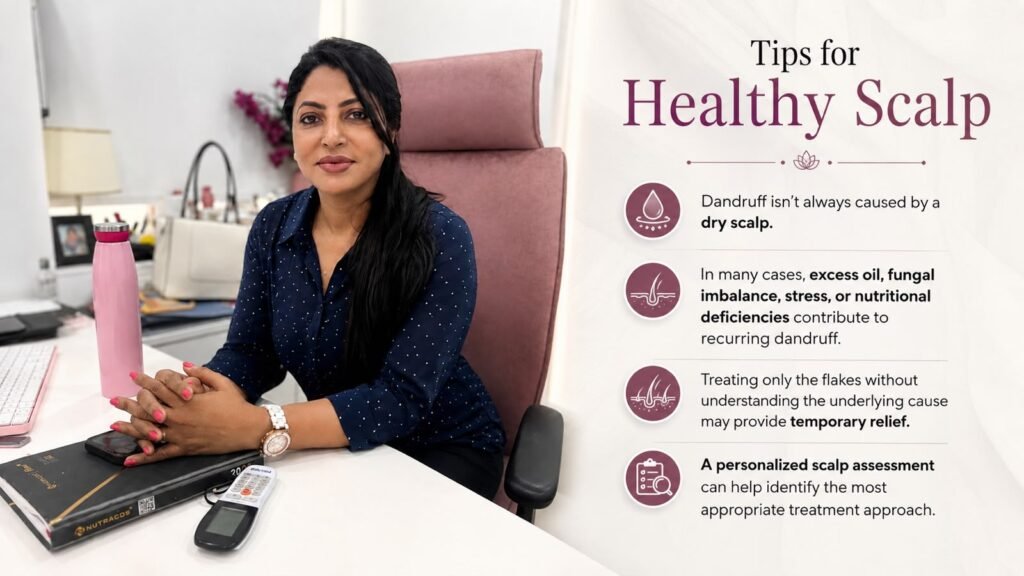
Foods That Support a Healthy Scalp
A balanced diet plays an important role in maintaining healthy skin and scalp.
Include foods such as:
🥚 Eggs
🐟 Fish
🥜 Almonds & Walnuts
🥬 Spinach
🥕 Carrots
🥛 Yogurt
🍊 Citrus Fruits
🥑 Avocado
🌾 Whole Grains
💧 Plenty of Water
While no single food causes dandruff, limiting highly processed foods may support overall health.
Consider reducing:
✔ Sugary snacks
✔ Soft drinks
✔ Fried foods
✔ Highly processed foods
✔ Excess alcohol
Aftercare Tips
Following professional advice after treatment can help maintain scalp health.
✔ Wash your hair as recommended.
✔ Avoid scratching the scalp.
✔ Keep combs and brushes clean.
✔ Change pillow covers regularly.
✔ Avoid excessive heat styling.
✔ Stay hydrated.
✔ Eat a balanced diet.
✔ Follow the recommended scalp care routine.
Home Care vs Professional Treatment
| Home Care | Professional Care |
| General shampoos | Personalized scalp assessment |
| Temporary flake control | Targets contributing factors |
| Trial-and-error | Tailored recommendations |
| Limited evaluation | Professional scalp analysis |
Final Thoughts
Recurring dandruff often indicates that the scalp needs more than just a medicated shampoo. Understanding the underlying cause, maintaining a healthy scalp care routine, and following professional guidance can help improve scalp health over time.
If you’re looking for Dandruff Treatment in Borivali, a personalized scalp assessment and evidence-based treatment approach can help identify the most suitable care for your scalp concerns. At Midas Wellness Hub, every treatment plan is tailored to the individual’s scalp condition, with a focus on long-term scalp health rather than temporary symptom control.
FAQs
Dandruff is commonly caused by excess scalp oil, fungal overgrowth (Malassezia), dry skin, product buildup, stress, or certain scalp conditions. Identifying the underlying cause helps determine the most appropriate treatment.
Yes. Persistent dandruff can lead to scalp irritation and frequent scratching, which may contribute to increased hair shedding in some individuals.
Dandruff often returns when the underlying cause, such as excess oil, fungal imbalance, stress, or an unsuitable hair care routine, isn’t addressed.
No. Dandruff is not contagious and cannot spread through direct contact or by sharing combs, towels, or pillows.
The best treatment depends on the cause. Persistent dandruff may benefit from a professional scalp assessment and a personalized treatment plan alongside appropriate home care.
Treatment duration varies based on the severity of the condition and the individual’s response. Mild cases may improve sooner, while chronic dandruff may require ongoing management.
Yes. Eating a balanced diet rich in protein, zinc, iron, omega-3 fatty acids, and vitamins supports overall scalp health and may help reduce dandruff.
Seek professional advice if dandruff persists despite using anti-dandruff shampoo, becomes severe, or is accompanied by significant itching, redness, or hair shedding.
While it can’t always be prevented, regular scalp care, suitable hair products, stress management, and a healthy diet can help reduce the risk of dandruff recurring.