

How Oxidative Stress Affects Your Energy, Immunity, and Long-Term Health

06
Feb
How Oxidative Stress Affects Your Energy, Immunity, and Long-Term Health
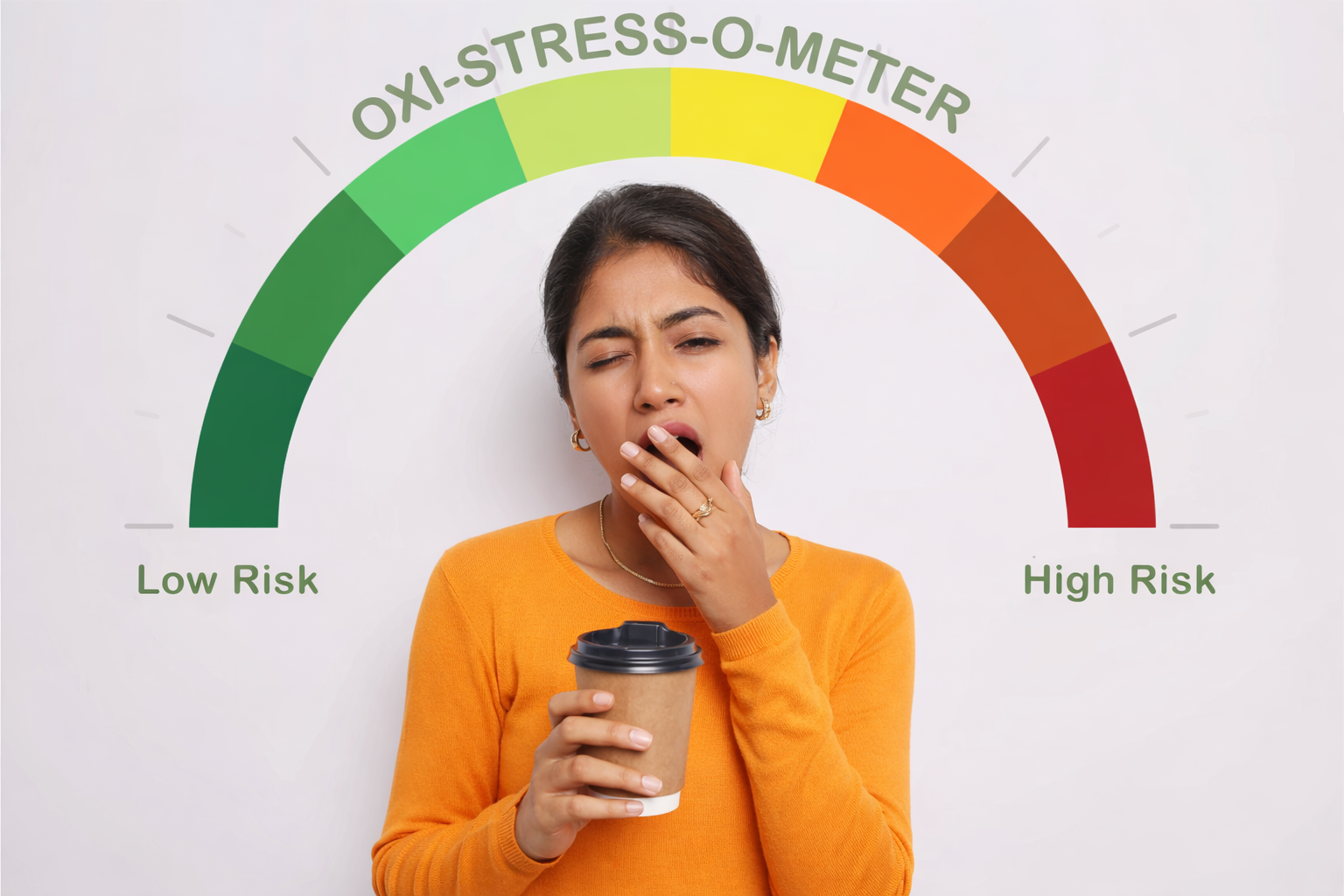
Have you ever said,
“I’m tired all the time, and I don’t know why”?
You sleep, you eat reasonably well, you try to manage work and life yet your body still feels heavy, drained, and low. Many people live like this for years, assuming it’s just stress or age catching up.
But very often, your body is dealing with something deeper. At Midas Wellness Hub, we see this pattern repeatedly, and one of the most common underlying reasons is oxidative stress.
It’s not something you feel overnight. It builds slowly, quietly affecting your energy, immunity, and overall health.

What Is Oxidative Stress? (In Simple Terms)
Every cell in your body needs oxygen to produce energy. While doing this, your body naturally creates waste particles called free radicals.
In a healthy system, free radicals are neutralised easily. But today, because of:
- Constant stress
- Pollution
- Poor sleep
- Processed food
- Screen-heavy lifestyles
free radicals start to increase faster than your body can handle them.
When this happens, your body enters a state called oxidative stress.
You can think of it as internal wear and tear. Just like metal slowly rusts when exposed to air and moisture, your cells slowly get damaged when oxidative stress stays high.
Why Oxidative Stress Drains Your Energy
Energy is produced inside tiny structures in your cells called mitochondria. When oxidative stress is high, these energy-producing units don’t work efficiently.
As a result:
- Your body produces less energy
- Your muscles tire easily
- Your brain feels foggy
- Even simple tasks feel exhausting
This is why rest alone doesn’t always fix fatigue. The issue isn’t sleep it’s that your cells are struggling to produce energy properly.
How Oxidative Stress Weakens Immunity
Your immune system is made up of highly active cells. They need energy and balance to protect you.
When oxidative stress is present:
- Immune cells stay inflamed
- Recovery becomes slow
- The body reacts poorly to infections
This may show up as:
- Frequent colds or infections
- Slow healing
- Constant inflammation
- Sudden allergies or flare-ups
Over time, the immune system can even become confused, increasing the risk of autoimmune issues.
The Long-Term Health Impact
If oxidative stress continues unchecked, it can slowly contribute to more serious health problems.
Research links oxidative stress to conditions such as:
- Diabetes
- Heart disease
- Hormonal imbalance
- Neurodegenerative disorders
- Certain cancers
This doesn’t happen suddenly. It’s a gradual process. That’s why early support and prevention matter so much.
The Body’s Natural Protection: Antioxidants
Your body has a built-in defence system called antioxidants.
Antioxidants:
- Neutralise free radicals
- Protect cells from damage
- Reduce inflammation
- Support healing and recovery
When antioxidant levels are healthy, your body feels lighter, stronger, and more resilient.
The problem is that modern lifestyles often deplete antioxidants faster than we replace them.
How to Increase Antioxidant Levels in Your Body
Restoring antioxidant balance doesn’t require extreme changes. Small, consistent habits can make a real difference.
Eat Foods That Support Your Cells
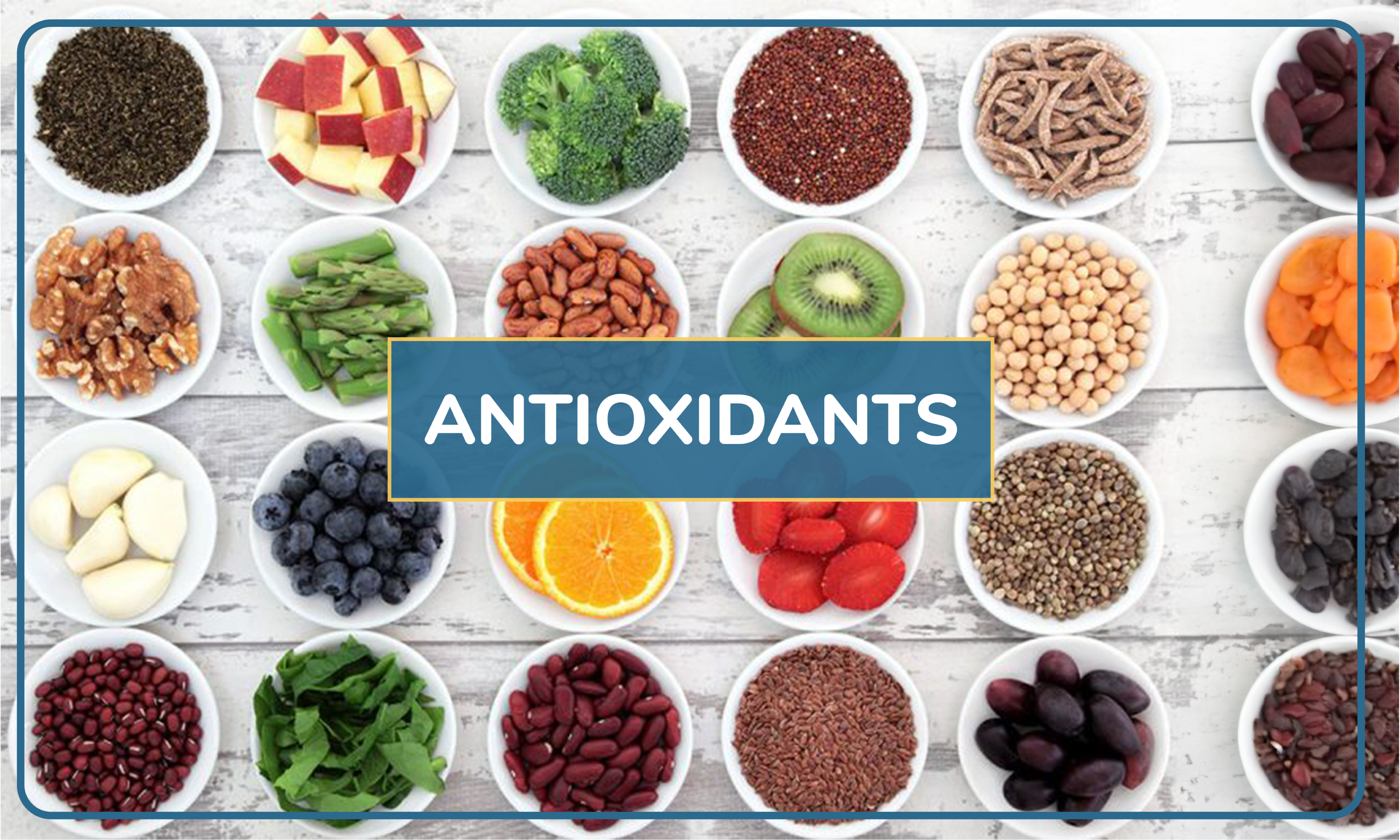
Fresh, colourful foods naturally contain antioxidants.
Try to include:
- Fruits like berries, citrus, and pomegranate
- Green leafy vegetables
- Beetroot, carrots, tomatoes
- Nuts and seeds
- Green tea
A varied diet gives your body different types of protection.
Get Gentle Sunlight
A little sunlight helps your body produce Vitamin D, which supports immune balance and antioxidant activity.
Morning or late afternoon sunlight is usually enough. You don’t need harsh exposure.
Consider Supplements When Needed
Sometimes food alone isn’t enough especially if stress levels are high or digestion isn’t optimal.
Certain supplements can help restore antioxidant levels, including Vitamin C, Vitamin E, and glutathione. These should always be taken with professional guidance, as balance is key.
At Midas Wellness Hub, supplementation is personalised, not generic.
Reduce Daily Stress Where You Can
Chronic stress is one of the biggest causes of oxidative damage.
Simple practices like better sleep routines, breathing exercises, limiting screen time at night, and gentle movement can significantly reduce oxidative stress.
Move Your Body, But Don’t Overdo It
Moderate exercise helps your body produce its own antioxidants.
Walking, stretching, swimming, or light strength training are excellent. Overtraining without rest can do the opposite, so balance is important.
Avoid Things That Increase Oxidative Damage

Reducing harmful triggers is just as important as adding healthy habits.
Try to limit:
- Smoking
- Excess alcohol
- Processed and fried foods
- Excess sugar
These habits increase free radical production inside the body.
When Lifestyle Changes Aren’t Enough
If you’ve been feeling exhausted for a long time, falling sick often, or not recovering well, deeper support may be needed.
At Midas Wellness Hub, we focus on cellular-level wellness approaches that help the body restore balance, energy, and resilience from within.
Wellness isn’t about masking symptoms. It’s about helping your body do what it’s designed to do heal and protect itself.
A Final Word
Feeling tired all the time is not something you should ignore or normalise.
Often, it’s your body quietly asking for support.
By addressing oxidative stress early and restoring antioxidant balance, you give your body the chance to feel stronger, clearer, and healthier again.
At Midas Wellness Hub, we believe true wellness begins inside the body and grows outward into better energy, immunity, and quality of life.