

Receding Hairline Stages: Causes, Progression, and Expert Hair Loss Solutions at Midas Wellness Hub

31
Jan
At Midas Wellness Hub, one of the most common concerns we hear during hair consultations is a quiet but anxious question:
“My hairline looks like it’s moving back… should I be worried?”
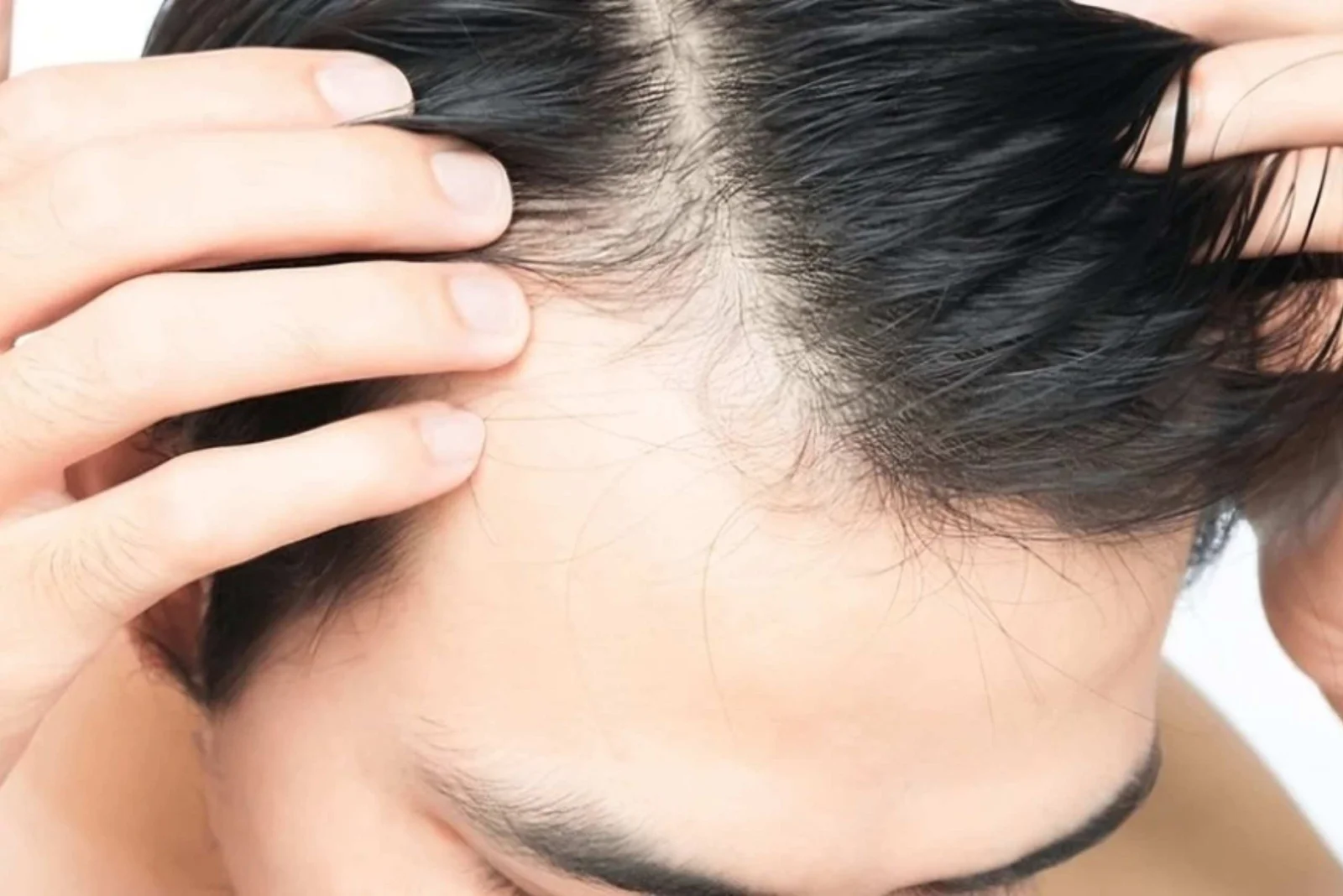
In most cases, hair loss doesn’t begin dramatically. There are no sudden bald patches or alarming changes overnight. Instead, it starts subtly slightly thinner hair near the temples, softer baby hairs along the forehead, or a hairline that looks different in recent photos. Because these changes happen slowly and without pain, they’re easy to ignore.
But these early signs matter.
Hair plays a powerful role in our confidence and self-image. Even small changes can feel unsettling. The reassuring truth is that a receding hairline follows recognisable stages. When identified early and managed correctly, progression can often be slowed, controlled, and in many cases, visibly improved.
This guide from Midas Wellness Hub helps you understand what a receding hairline really is, why it happens, how it progresses in men and women, and how expert trichology-led care can support healthier hair growth.
What Is a Receding Hairline?
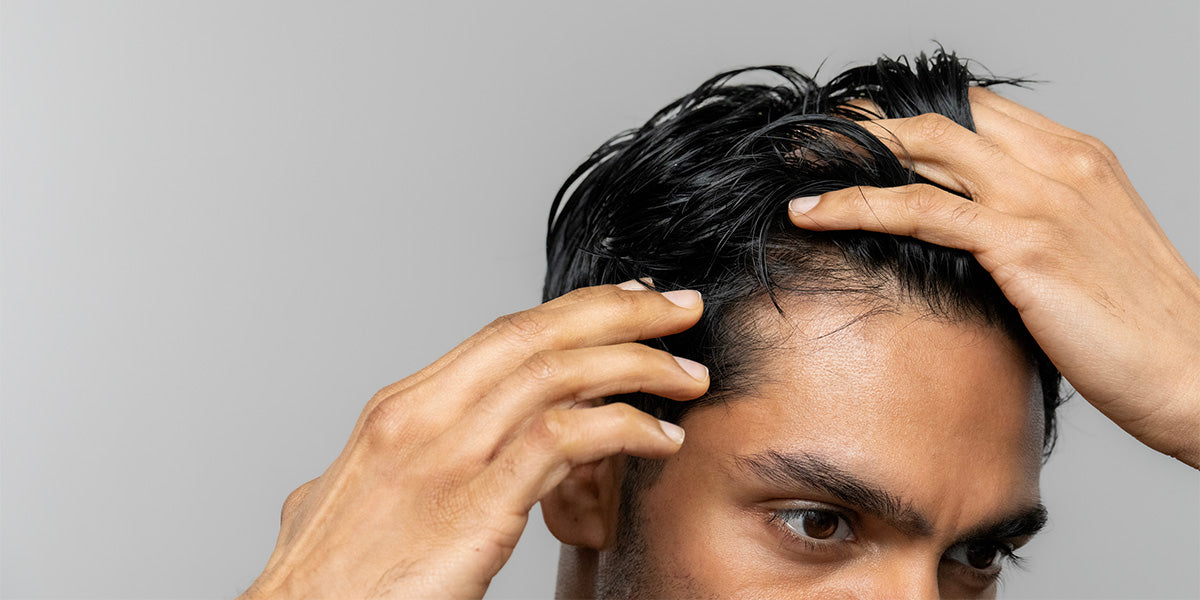
A receding hairline refers to the gradual thinning or loss of hair along the front of the scalp, especially around the temples and forehead. Over time, the hairline shifts backward, making the forehead appear wider or uneven.
Some daily hair fall is completely normal. However, ongoing thinning at the hairline, reduced density near the temples, or finer regrowth that doesn’t improve over time are signs that deserve attention.
At Midas Wellness Hub, many patients tell us they noticed changes months sometimes even years before seeking help. Hairline recession is slow, painless, and easy to dismiss until it becomes more noticeable.
Why Does the Hairline Recede?
Hairline recession rarely has a single cause. Most often, it develops due to a combination of internal imbalances and external stressors.
Common Causes Identified at Midas Wellness Hub
Genetic Hair Loss (Androgenetic Alopecia)
One of the most common causes, especially in men. Hair follicles gradually become sensitive to the hormone DHT, leading to thinning and eventual recession at the temples and hairline.
Hormonal Imbalances
Thyroid issues, PCOS, postpartum changes, and menopause can disrupt the hair growth cycle and affect the frontal hairline.
Chronic Stress
Long-term emotional or physical stress can push hair follicles into the shedding phase, leading to visible thinning around the hairline.
Nutritional Deficiencies
Low iron, protein, vitamin D, vitamin B12, zinc, and biotin are extremely common and often overlooked contributors especially in women.
Hairstyling and Hair Care Practices
Tight ponytails, buns, braids, excessive heat styling, and chemical treatments can cause traction alopecia, damaging the hairline over time.
Medical Conditions and Medications
Autoimmune disorders, scalp infections, and certain medications can accelerate hair loss if not addressed early.
Understanding Receding Hairline Stages (Norwood Scale)

To understand how hairline recession progresses, specialists commonly use the Norwood Scale. While it’s most often used for men, it also helps women recognise early patterns.
Stage 1: Healthy Hairline
The hairline appears balanced and full, with even density.
This is the ideal stage for prevention. At Midas Wellness Hub, the focus is on scalp health, nutritional balance, and lifestyle guidance to protect long-term hair strength.
Stage 2: Early Hairline Recession
Subtle thinning begins around the temples or front hairline. Overall density still looks normal, which is why many people ignore it.
Early treatment at this stage offers the best outcomes.
Stage 3: Visible Hairline Recession
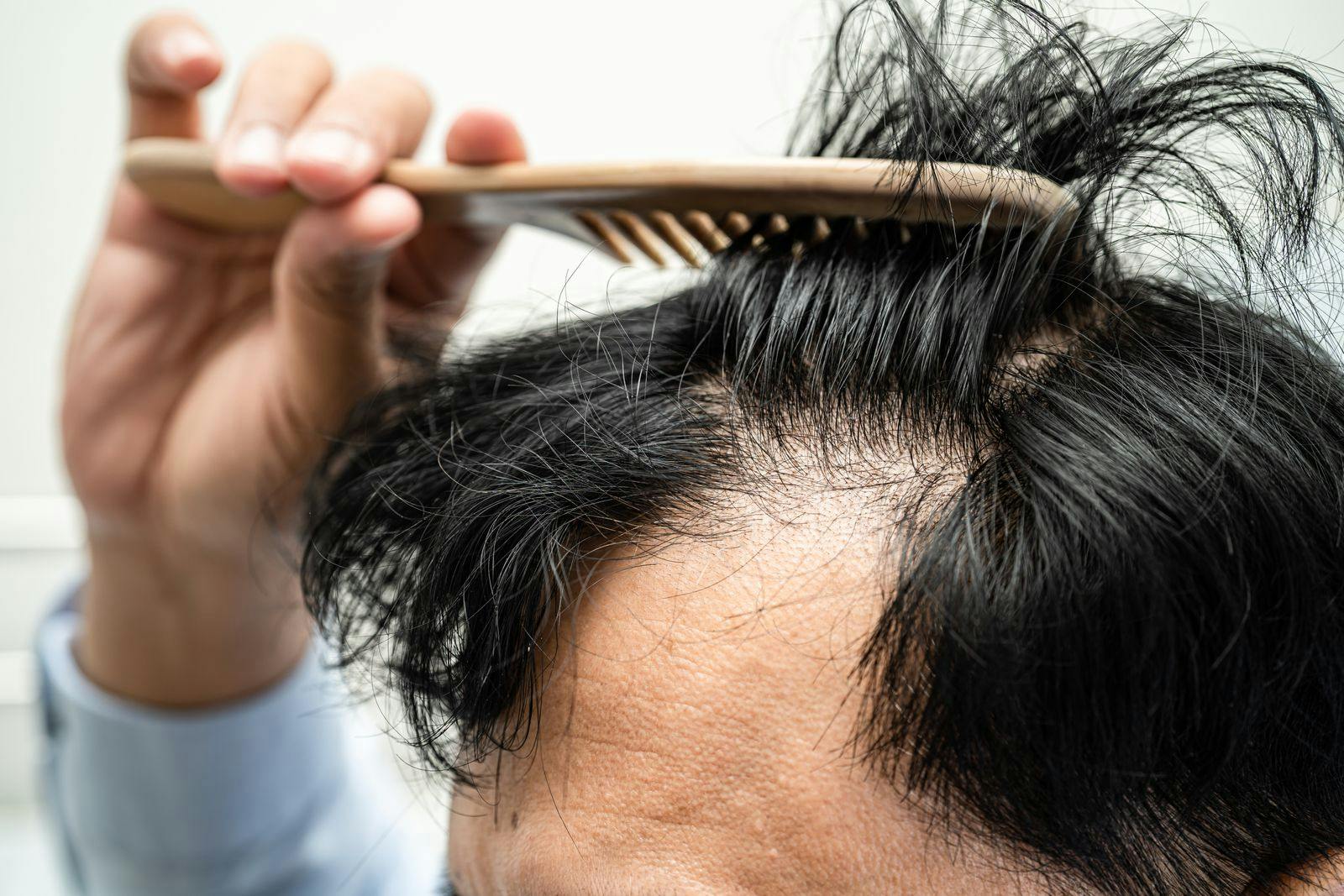
Changes become clearly noticeable. The temples recede further, often forming an M-shaped pattern. Hair feels finer, and scalp visibility may increase under bright light.
This is when most patients seek professional help and timely care can significantly slow progression.
Stage 4: Advanced Recession
The hairline moves further back, and thinning across the frontal scalp becomes more obvious. Some may also notice early crown thinning.
Treatment focuses on preserving existing hair and strengthening weakened follicles.
Stage 5: Significant Hairline Loss
The bridge between the frontal hairline and crown becomes thinner. Styling becomes more difficult, and scalp visibility increases.
Consistent, advanced treatment protocols are essential at this stage.
Stage 6: Extensive Hair Loss
Frontal and crown thinning merge, leaving large visible scalp areas. Hair remains mainly on the sides and back.
Regrowth potential is limited, but preserving existing hair remains important.
Stage 7: Advanced Baldness
Hair remains only in a horseshoe pattern.
Hair restoration procedures may be considered after expert evaluation.
Receding Hairline in Women: A Different Pattern
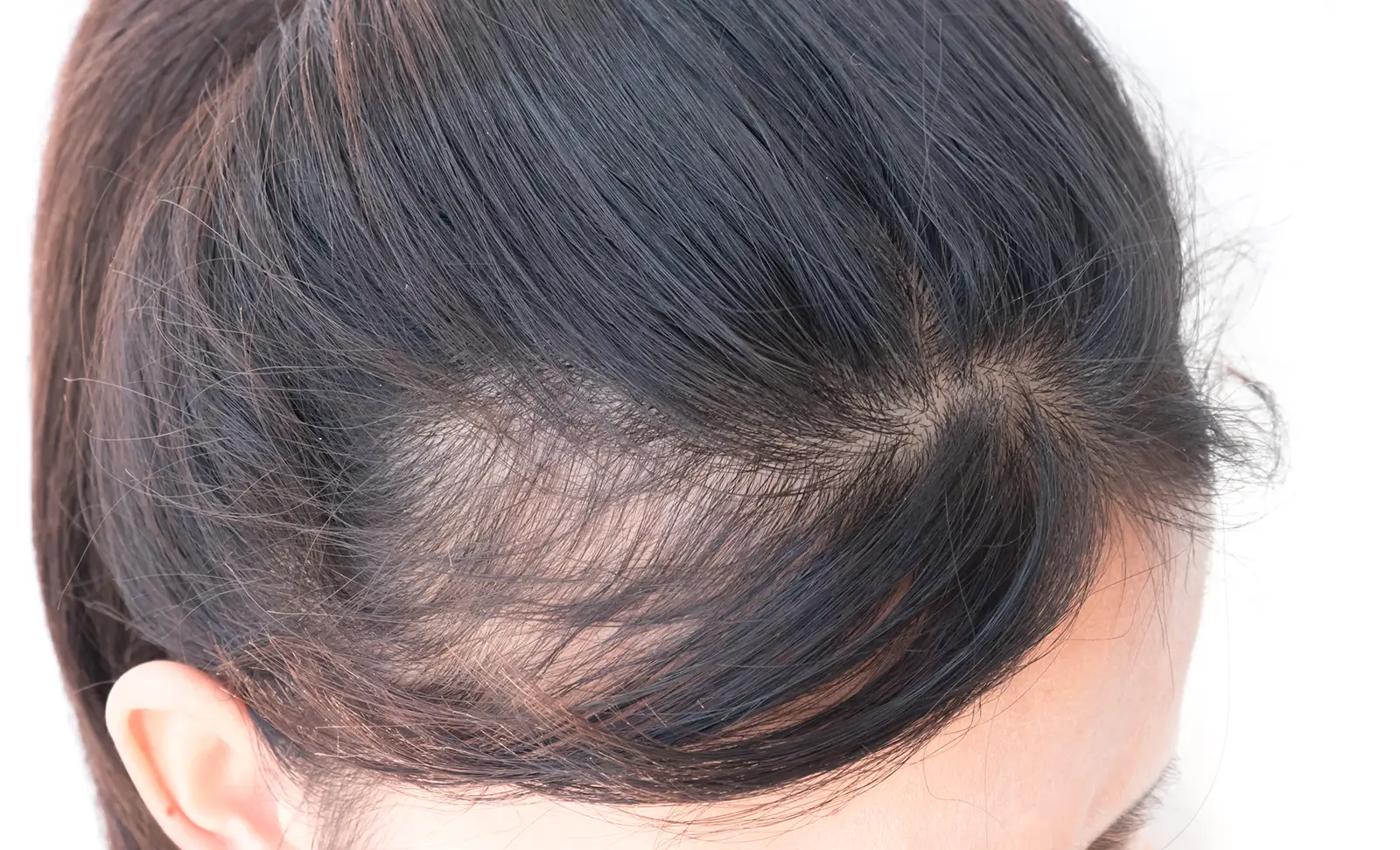
Women usually experience hairline changes differently from men. Instead of sharp recession, they often notice:
- Gradual thinning along the front
- Widening of the central part
- Reduced density at the temples without complete baldness
At Midas Wellness Hub, female hair loss is commonly linked to iron deficiency, hormonal imbalance, thyroid disorders, PCOS, chronic stress, and nutritional gaps. The encouraging news is that female hair loss often responds very well to early, personalised trichology-led care.
Why Nutrition Plays a Key Role in Hairline Health
Hair follicles are highly active structures that require constant nutritional support. When the body lacks essential nutrients, hair growth slows and the hairline is often one of the first areas affected.
Key nutrients we assess include:
- Protein for hair structure
- Iron for oxygen delivery to follicles
- Vitamin D to regulate growth cycles
- Vitamin B12 and biotin for cell renewal
- Zinc and selenium for follicle repair
- Omega-3 fatty acids for scalp health
A balanced, nutrient-rich diet forms the foundation of every effective hair treatment plan.
Supplements: Targeted Support from Within

Many individuals require supplements due to deficiencies, stress, or hormonal imbalance. These may include vitamin D3, iron (only after testing), vitamin B12, biotin, zinc, omega-3 fatty acids, or specialised hair formulations.
At Midas Wellness Hub, supplementation is always personalised and guided by our trichologist team. Blind supplementation is avoided correct selection and dosing are essential for safe and visible results.
Expert Hair Loss Care at Midas Wellness Hub
Every patient at Midas Wellness Hub undergoes a detailed evaluation by our specialist trichology team. We assess scalp health, hair patterns, medical history, nutrition, and lifestyle factors before designing a personalised treatment plan.
Treatment Approach Based on Hairline Stage
Early Stages (1–3)
Nutritional correction, medical serums, scalp therapies, stress management, and lifestyle guidance.
Moderate Stages (3–5)
Combination protocols, advanced scalp treatments, PRP-based therapies, and hormonal evaluation.
Advanced Stages (6–7)
Hair restoration procedures, density-enhancement treatments, and structured maintenance programs.
Can a Receding Hairline Be Improved?
In many cases, yes especially when action is taken early.
- Early stages respond best
- Mid-stages can often be stabilised
- Advanced stages may require procedural support
Consistency, expert guidance, and timely intervention make a significant difference.
Final Thoughts from Midas Wellness Hub
A receding hairline is not an overnight change. It is a gradual process and that means there are multiple opportunities to intervene early.
Understanding the stages of hairline recession empowers you to take proactive, informed steps toward better hair health.
At Midas Wellness Hub, we focus on treating hair loss at its root through expert trichologist evaluation, nutritional correction, lifestyle guidance, and personalised care. Early assessment remains the most powerful step toward protecting your hair, scalp health, and confidence.
FAQs
It typically starts with slight temple recession and progresses backward.
Over time, it can form an “M-shaped” hairline.
Genetics, hormonal factors (like DHT), stress, and lifestyle play a role. Poor nutrition can also contribute to hair thinning.
Early stages can be managed and improved with the right treatments. Advanced stages may require more targeted solutions.
Options include PRP, exosomes, medications, and advanced therapies. They help strengthen follicles and slow hair loss.
At the first signs of hairline thinning or increased hair fall. Early intervention gives better and longer-lasting results.