

Stress, Cortisol & Weight Gain: What Doctors Want You to Know

17
Jan
Stress, Cortisol & Weight Gain: What Doctors Want You to Know
Weight gain is often blamed on overeating, lack of exercise, or poor discipline. But what if you’re doing everything “right” and the scale still refuses to budge? What if belly fat keeps increasing, cravings worsen under pressure, and fatigue becomes your new normal?
Doctors and functional medicine experts are now uncovering a powerful truth: chronic stress and cortisol imbalance are major hidden drivers of weight gain—especially in today’s fast-paced lifestyle.
At MIDAS Wellness Hub, Mumbai, we frequently see patients who are not lazy, careless, or unhealthy but hormonally overwhelmed. Understanding the stress–cortisol–weight connection is often the missing link to sustainable weight loss.

Understanding Cortisol: The Body’s Survival Hormone
Cortisol is a hormone produced by the adrenal glands and plays a vital role in keeping us alive. It is released in response to stress and helps the body handle challenges by:
- Increasing blood sugar for quick energy
- Regulating metabolism
- Controlling inflammation
- Supporting blood pressure
- Helping the body respond to emergencies
In short bursts, cortisol is beneficial. It helps you wake up in the morning, respond to danger, and maintain balance during short-term stress.
The problem begins when stress becomes chronic.
Why Cortisol Stays High in Modern Life

Our bodies evolved to handle short, physical stress like escaping danger or finding food. Today’s stress is different. It is constant, mental, and emotional, and the body responds as if danger never ends.
Common modern cortisol triggers include:
- Long working hours and deadlines
- Emotional stress and anxiety
- Poor sleep or irregular sleep cycles
- Excess caffeine
- Skipping meals or crash dieting
- Overexercising
- Chronic inflammation
- Gut health imbalances
- Financial and relationship stress
Your body doesn’t distinguish between emotional stress and physical threat it reacts the same way by releasing cortisol.
How Chronic Stress Leads to Weight Gain

1. Cortisol Signals the Body to Store Fat
When cortisol remains elevated, the body enters survival mode. It believes resources may be scarce, so it prioritizes storing energy mainly as fat.
This fat is preferentially stored around the abdomen because belly fat cells have more cortisol receptors. That’s why stress-related weight gain often appears as stubborn abdominal fat.
2. Blood Sugar Spikes and Insulin Resistance
Cortisol increases blood sugar to provide immediate energy. Over time, repeated cortisol spikes lead to:
- Frequent sugar cravings
- Energy crashes
- Insulin resistance
- Increased fat storage
This explains why stressed individuals crave sugary, salty, or processed foods even when they know better.
3. Muscle Breakdown Slows Metabolism
High cortisol breaks down muscle tissue to release energy. Loss of muscle mass leads to:
- Slower metabolism
- Reduced calorie burn
- Increased fat percentage
This is why weight gain may continue even if total body weight doesn’t change significantly.
4. Sleep Disruption Worsens Hormonal Balance
Stress affects sleep, and poor sleep raises cortisol further. This disrupts hunger hormones:
- Ghrelin increases (hunger hormone)
- Leptin decreases (satiety hormone)
- The result is overeating, cravings, fatigue, and further weight gain.
Signs Your Weight Gain Is Stress- or Cortisol-Related
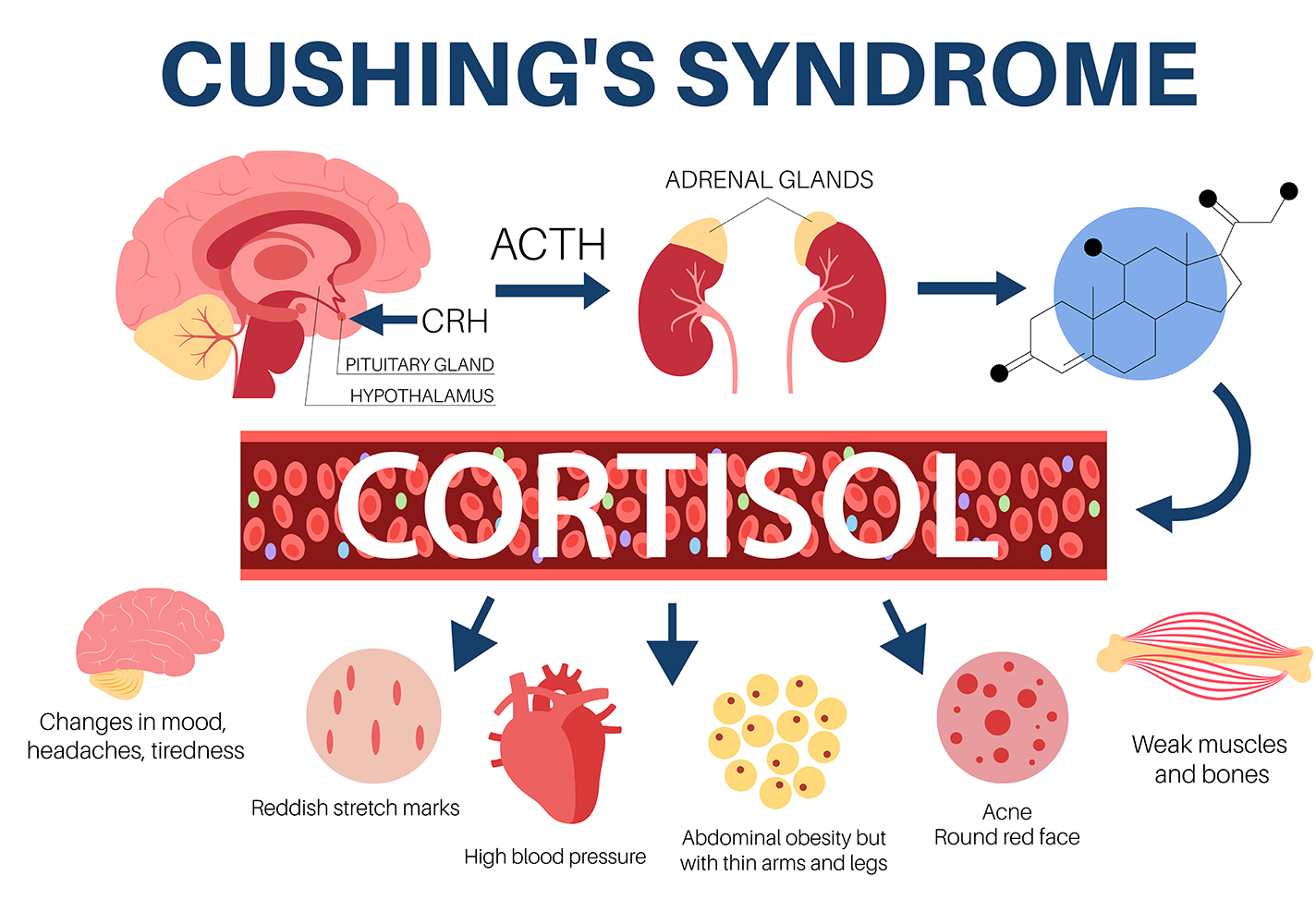
You may be dealing with cortisol-driven weight gain if you experience:
- Persistent belly fat
- Weight gain despite calorie control
- Cravings during stressful situations
- Feeling tired but wired
- Difficulty falling or staying asleep
- Mood swings or anxiety
- Brain fog
- Hormonal acne
- Hair fall
- Irregular periods or PCOS symptoms
These symptoms are not a lack of willpower, they are biological signals.
Why Traditional Weight Loss Methods Fail Under Stress
Most weight loss programs focus on:
- Calorie restriction
- Intense exercise
- “No pain, no gain” approaches
However, when cortisol is already high, these methods can backfire:
- Extreme dieting increases stress hormones
- Excess cardio elevates cortisol further
- Skipping meals worsens blood sugar imbalance
- This leads to initial weight loss followed by plateaus and rebound weight gain.
At MIDAS Wellness Hub, we don’t punish the body we restore balance.
Stress, Cortisol & Women’s Hormonal Health
Women are particularly vulnerable to cortisol-related weight gain due to hormonal complexity.
High cortisol interferes with:
- Estrogen balance
- Progesterone production
- Thyroid hormone conversion
This can worsen conditions like:
- PCOS
- Thyroid disorders
- Perimenopausal weight gain
- Postpartum fatigue
- Menstrual irregularities
This is why many women struggle with weight despite eating well and exercising consistently.
The Gut–Stress–Weight Connection
Stress doesn’t just affect hormones it also damages gut health.
Chronic stress can:
- Increase gut inflammation
- Alter gut microbiota
- Reduce nutrient absorption
- Increase intestinal permeability
An unhealthy gut sends distress signals to the brain, increasing cortisol further and creating a vicious cycle of inflammation and weight gain.
Healing the gut is often a non-negotiable step in sustainable weight loss.
How Doctors Treat Cortisol-Related Weight Gain
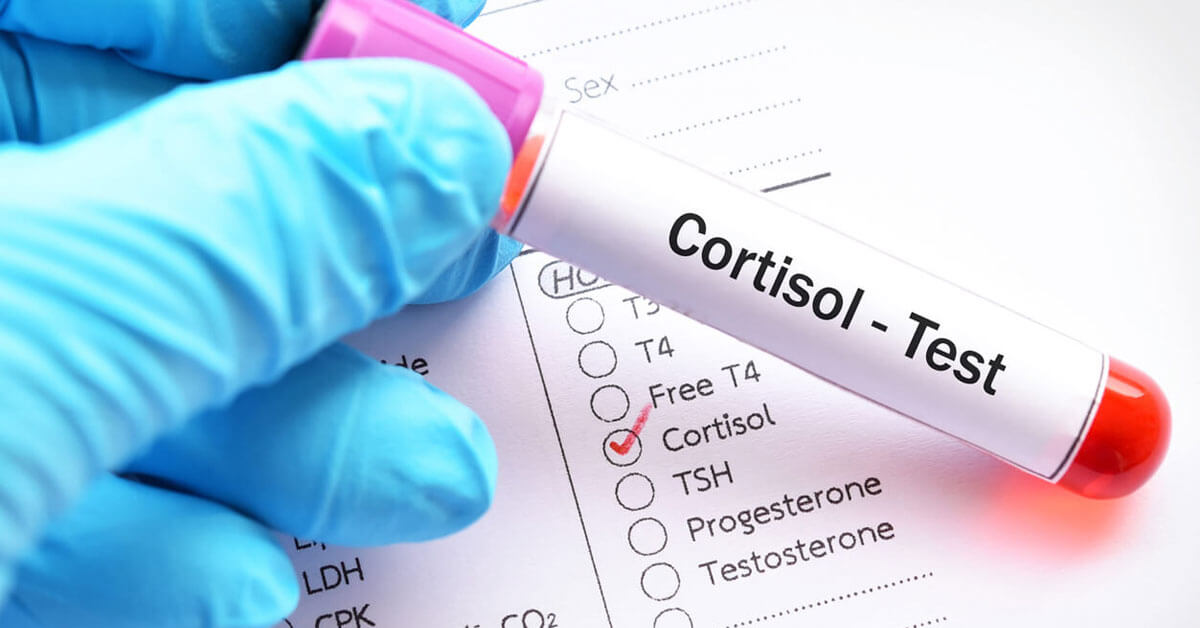
At MIDAS Wellness Hub, we follow a functional medicine approach, focusing on identifying and correcting root causes.
1. Identifying Hidden Stressors
We assess:
- Lifestyle and emotional stress
- Sleep quality and circadian rhythm
- Nutritional deficiencies
- Hormonal imbalances
- Gut health markers
- Inflammatory triggers
Every plan is personalized, because no two bodies are the same.
2. Nutrition That Calms Cortisol
Instead of extreme dieting, we focus on:
- Balanced meals with protein, fiber, and healthy fats
- Blood sugar stabilization
- Anti-inflammatory foods
- Gut-supportive nutrition
This helps the body feel safe, reducing fat storage signals.
3. Smart Exercise That Supports Hormones
More exercise isn’t always better.
We recommend:
- Strength training to build metabolism
- Walking for stress reduction
- Yoga and mobility work
- Recovery-focused movement
This lowers cortisol while improving fat metabolism.
4. Sleep Optimization
Quality sleep is essential for hormonal reset.
We work on:
- Sleep timing
- Reducing nighttime cortisol
- Improving melatonin production
- Nervous system relaxation
Better sleep often leads to visible fat loss without additional effort.
5. Targeted Micronutrient Support
Stress depletes key nutrients. Clinically guided support may include:
- Magnesium
- B-complex vitamins
- Vitamin D
- Antioxidants
- Adaptogens (when indicated)
Supplementation is always personalized not random.
6. Mind–Body Regulation
Stress management is not optional it’s therapeutic.
We incorporate:
- Breathwork
- Lifestyle restructuring
- Nervous system regulation
- Sustainable daily routines
This helps shift the body from survival mode to healing mode.
What Happens When Cortisol Comes Back Into Balance
When stress hormones normalize:
- Appetite becomes stable
- Cravings reduce
- Energy improves
- Belly fat decreases
- Hormones regulate naturally
- Weight loss becomes sustainable
- Weight loss becomes a byproduct of healing, not force.
Why Choose MIDAS Wellness Hub for Stress-Related Weight Gain
At MIDAS Wellness Hub, Mumbai, we specialize in:
- Root-cause weight management
- Cortisol and hormonal balance
- Functional medicine-based care
- Personalized nutrition and lifestyle plans
- Long-term health transformation
We don’t believe in quick fixes.
We believe in science, sustainability, and whole-body healing.
Final Thoughts: Stress Is a Signal, Not a Failure
If you’ve been struggling with weight gain despite your best efforts, it’s time to stop blaming yourself.
Your body isn’t resisting it’s protecting you.
Understanding stress and cortisol is the first step toward:
- Sustainable weight loss
- Better energy
- Hormonal balance
- Long-term wellness
Ready to Address Stress & Weight at the Root Level?
📍 MIDAS Wellness Hub, Mumbai
👩⚕️ Functional medicine–based consultations
📞 Book your personalized assessment today
Heal stress. Balance hormones. Transform your health.
FAQs
Yes, chronic stress can increase cortisol levels, which may trigger cravings, slow metabolism, and promote belly fat storage even with a healthy diet.
Common signs include stubborn belly fat, fatigue, sugar cravings, poor sleep, mood swings, acne, and difficulty losing weight.
Regular exercise, quality sleep, mindful eating, stress management, and balanced nutrition can help lower cortisol naturally.
Stress hormones like cortisol may encourage fat storage around the abdomen while also increasing appetite and emotional eating habits.
If you experience rapid weight gain, constant fatigue, severe cravings, hormonal symptoms, or struggle to lose weight despite efforts, it’s best to consult a wellness expert or doctor.