

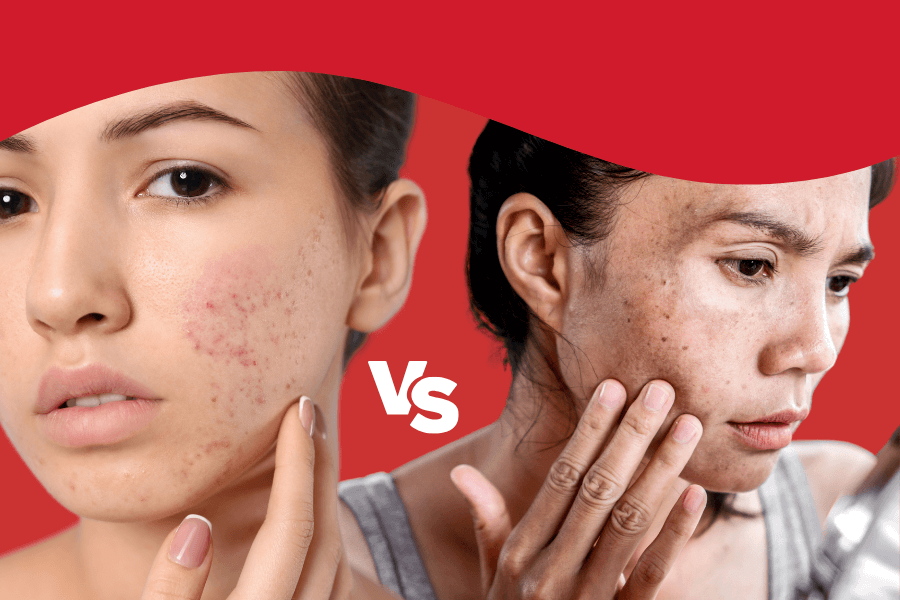
How to Remove Acne Marks and Pigmentation Effectively

29
Aug
How to Remove Acne Marks and Pigmentation Effectively
Acne is one of the most common skin concerns worldwide, and while breakouts are frustrating, the marks and pigmentation they leave behind can be even more challenging to treat. These dark spots, uneven skin tone, and post-acne scars often take months to fade and can significantly affect confidence. At Midas, we believe that clear, radiant skin is achievable with the right approach.
This article will explain what acne marks and pigmentation are, why they occur, and the most effective ways to remove them using dermatologist-approved methods.
Understanding Acne Marks and Pigmentation
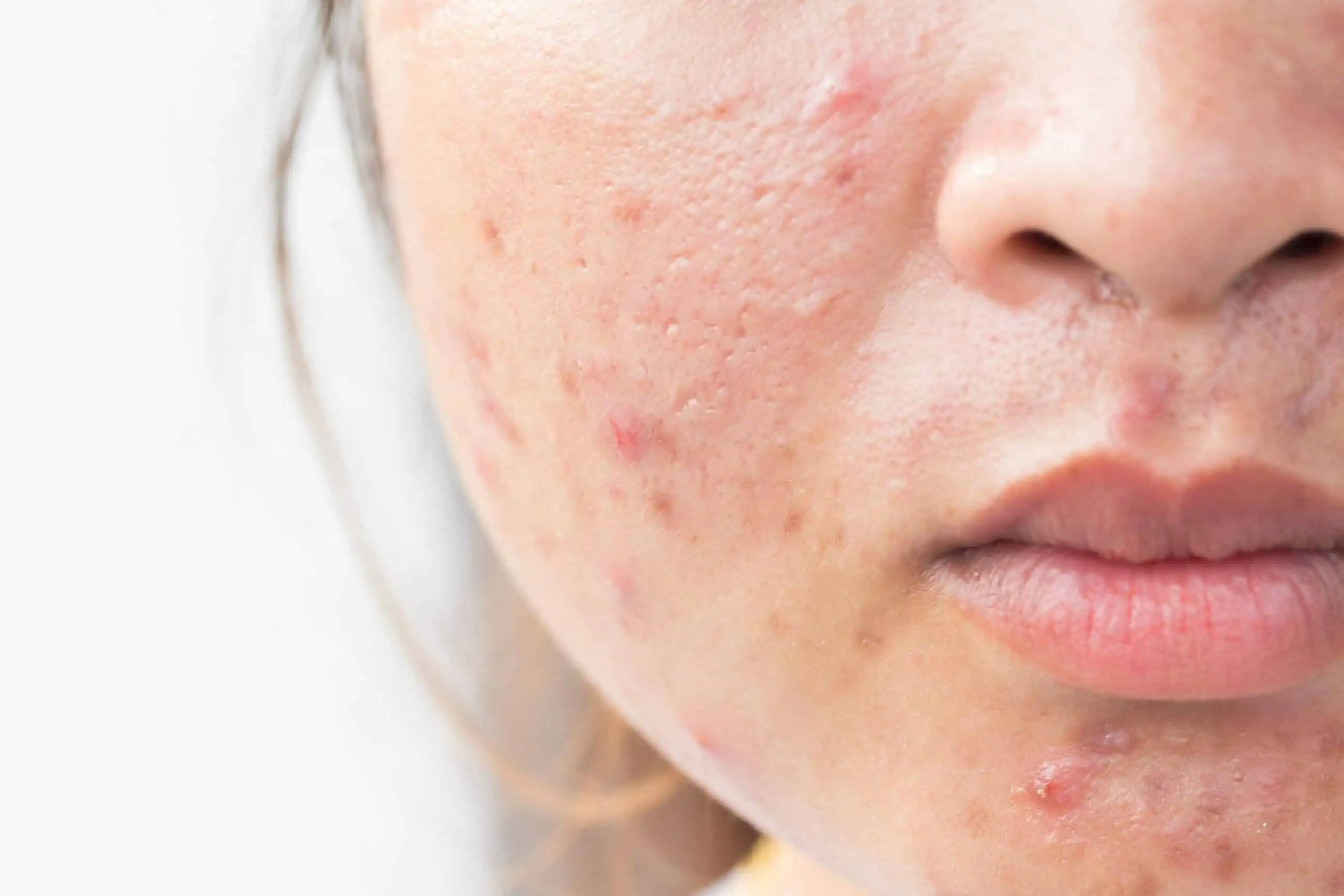
Not all acne marks are the same. The type of acne and the way it heals determine the kind of mark left behind.
1. Post-Inflammatory Hyperpigmentation (PIH):
Flat brown, red, or black spots that appear after inflammation. They occur due to excess melanin production during healing.
2. Post-Inflammatory Erythema (PIE):
More common in lighter skin tones, these are red or pink marks caused by damage to blood vessels.
3. Atrophic Scars:
Indented scars such as “ice pick” or “boxcar” scars caused by tissue loss.
4. Hypertrophic or Keloid Scars:
Raised scars resulting from excess collagen during healing.
For most patients, pigmentation and PIH are the most common concerns after acne.
Why Do Acne Marks and Pigmentation Occur?

Several factors contribute to post-acne marks:
Inflammation: The deeper the inflammation, the higher the chance of pigmentation.
Sun Exposure: UV rays increase melanin production and darken spots.
Improper Acne Handling: Popping or scratching pimples worsens scarring.
Hormonal Factors: Hormonal acne is more likely to leave pigmentation.
Skin Type: Medium to darker skin tones are more prone to hyperpigmentation.
Effective Ways to Remove Acne Marks and Pigmentation

1. Daily Sun Protection
Sunscreen is the foundation of pigmentation treatment. Without sun protection, even the best treatments will fail to deliver results.
Use a broad-spectrum sunscreen (SPF 30–50) daily.
Reapply every 3–4 hours when outdoors.
Opt for lightweight, non-comedogenic formulations to avoid clogging pores.
2. Skincare Ingredients That Work
Certain clinically proven actives can significantly fade pigmentation and improve skin texture when used consistently:
Vitamin C: Brightens skin and reduces pigmentation through antioxidant activity.
Niacinamide: Minimizes redness and regulates melanin transfer.
Retinoids (Retinol, Tretinoin): Increase cell turnover and fade pigmentation.
Alpha Hydroxy Acids (AHAs): Glycolic and lactic acid exfoliate dead skin cells and improve skin tone.
Beta Hydroxy Acids (BHAs): Salicylic acid penetrates pores, treating both acne and pigmentation.
Kojic Acid: Reduces melanin production and lightens spots.
Azelaic Acid: Treats acne and pigmentation simultaneously with anti-inflammatory benefits.
These ingredients require consistent use for 8–12 weeks for visible results and should be introduced gradually to avoid irritation.
3. Professional Treatments
For persistent acne marks and pigmentation, dermatologist-performed treatments are highly effective. At Midas, we provide advanced solutions tailored to each skin type:
Chemical Peels: Use of glycolic, salicylic, or TCA peels to exfoliate and remove pigmented skin layers.
Laser Therapy: Targeted energy breaks down pigmentation and stimulates collagen for smoother, brighter skin.
Microneedling: Creates controlled micro-injuries to trigger natural healing, improving both pigmentation and scars.
Microdermabrasion: Mechanical exfoliation that smooths uneven texture and reduces superficial pigmentation.
PRP (Platelet-Rich Plasma) Therapy: Utilizes the body’s own growth factors to accelerate healing and repair pigmentation.
Each treatment plan is customized after a detailed skin consultation to deliver safe, long-lasting results.
4. Lifestyle Factors for Faster Recovery
Healthy skin requires both external treatments and internal support. Adopting these habits helps speed up recovery:
Balanced Diet: Nutrients like Vitamin C, Vitamin E, and zinc support skin healing.
Hydration: Drinking enough water maintains skin elasticity and aids repair.
Stress Management: Stress hormones can trigger breakouts and pigmentation.
Adequate Sleep: Skin undergoes repair and regeneration during sleep.
Preventing Acne Marks and Pigmentation
The best way to deal with pigmentation is to prevent it from forming in the first place.
Treat acne promptly to reduce inflammation.
Never pick or squeeze pimples.
Maintain a consistent, dermatologist-approved skincare routine.
Apply sunscreen daily without fail.
When to Consult a Dermatologist
If acne marks and pigmentation persist despite consistent skincare for several months, or if they are significantly affecting your confidence, it is important to consult a dermatologist. At Midas, our specialists create personalized treatment plans to ensure effective, safe, and long-lasting results for every patient.
Book Your Appointment Today ✨
Acne marks and pigmentation are common but treatable skin concerns. With the right skincare ingredients, sun protection, and professional treatments, you can achieve clear, even-toned skin. The key is consistency, patience, and professional guidance.
At Midas, we specialize in advanced skin treatments that target pigmentation at its root, helping you restore confidence and enjoy healthier, radiant skin.
FAQs
Inflammation from acne triggers excess melanin production.
Sun exposure can make these marks darker and more stubborn.
They can be significantly reduced with the right treatments and care. Consistency and early intervention give better results.
Vitamin C, Niacinamide, Retinol, and Alpha Arbutin are effective. They work to brighten skin and improve overall tone.
For deeper pigmentation, treatments like peels, lasers, or microneedling help. They deliver faster and more noticeable results.
Control active acne, avoid picking, and use sunscreen daily. Proper skincare helps prevent further pigmentation.